There is no translation available.
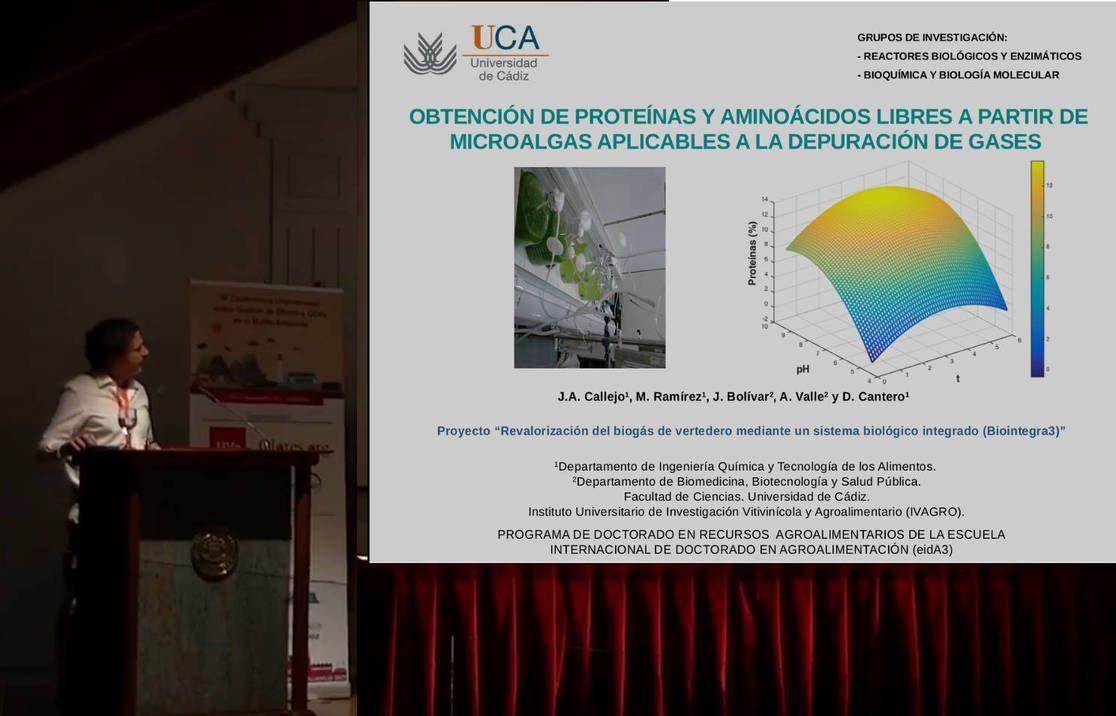 The use of microalgae in integrated gas purification processes has taken a special interest in recent years, mainly due to its ability to capture CO2. These applications involve the generation of biomass that can be used to obtain bioproducts and/or bioenergy.
However, the development of these processes requires an improvement in the cell rupture and biocompounds extraction methods. The aim of this study was to evaluate a method for obtaining proteins and free amino acids (FAN) from Chlorella vulgaris.
J.A. Callejo*, M. Ramírez, J. Bolívar, A. Valle, D. Cantero
Departamento de Ingeniería Química y Tecnología de los Alimentos. Facultad de Ciencias. Universidad de Cádiz. Instituto Universitario de Investigación Vitivinícola y Agroalimentario (IVAGRO). Av. República Saharaui S/N. 11510 Puerto Real, Spain.
martin.ramirez@uca.es
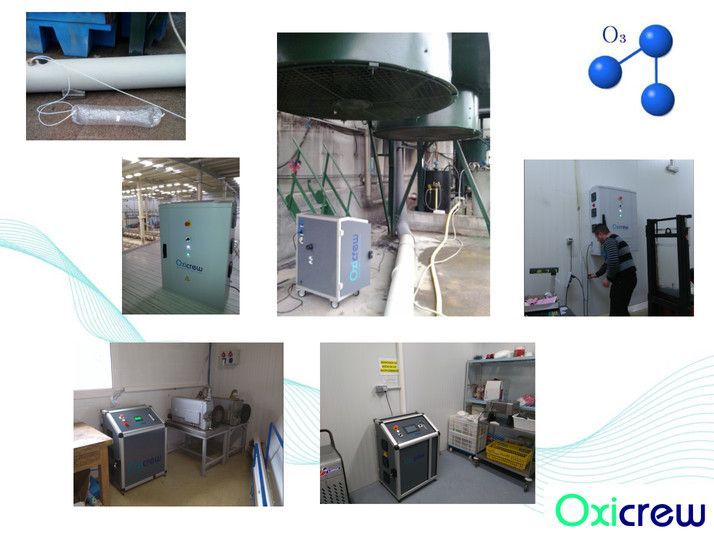 The purpose of this article is to evaluate the effectiveness of the ozone technology. In this case study, an ozone unit was inserted after a chemical scrubber. Odour samples were taken before the scrubbing, after the scrubber (and before the ozone unit), and after the whole set of abatement. Very high efficiencies were found.
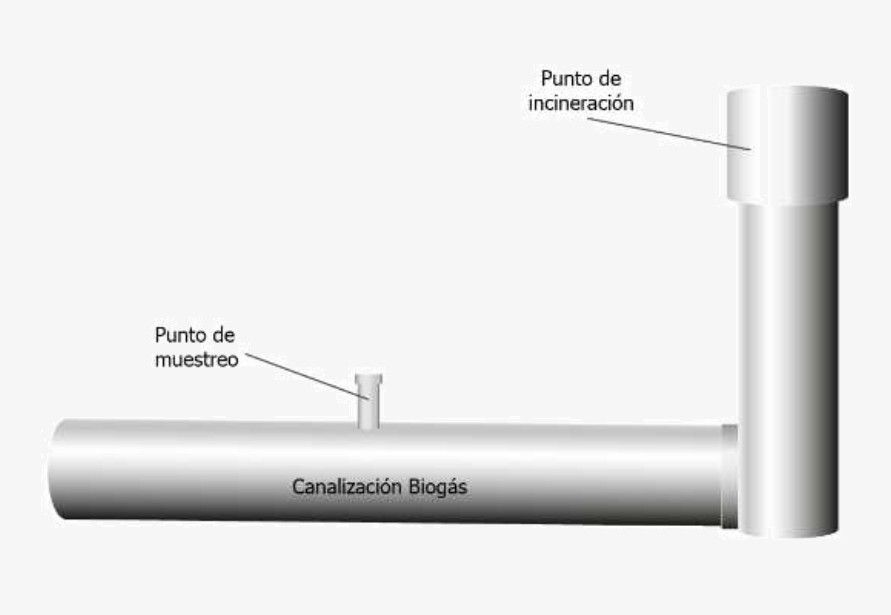 The use of an appropriate operational management tool plays a fundamental role in establishing and defining the normal operational parameters during any process. If this process also entails a high potential for odor generation or specific gaseous compounds, either due to a specific process condition or deviations from the process, it becomes even more relevant as operational control management. Hence, a detailed knowledge of the processes and levels of odorant gases present must be evaluated based on reliability and accuracy.