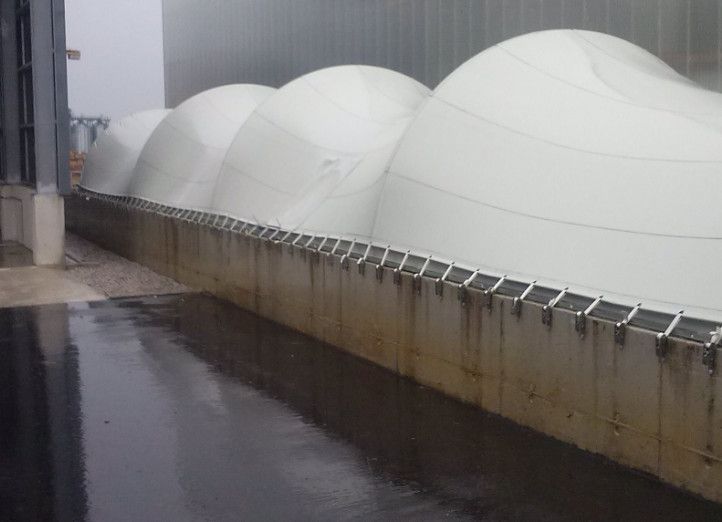
 This report exposes the results obtained during the operational years of two plants where Advanced Biofiltration System (BAP) were installed to treat the odour emissions created during the process or from the sewage waters derived from this process.
In order to evaluate the operation of BAP systems, the results of dynamic olfactometry (UNE-EN 13725:2004) and of the concentration of hydrogen sulphide (H2S) were considered, since this latter compound significantly contributes to the overall odour impact in the analyzed case studies.
I. Lorenzo*, S. Nadal, M. Latorre, A. Amo, A. Bomboí
Labaqua SA. Calle Còrsega 112, Local 1, 08029 Barcelona, España. *isidre.lorenzo@labaqua.com
 This study presents several results related to the odorous impact derived from organic waste treatment and management plants carried out by the research group. Different raw materials were selected to evaluate the odorous impact and its relationship with their physico-chemical characterization or operational variables. Statistical evaluation through Principal Component Analysis (PCA) groups the odor by its origin or raw material.
 The Digital Olfaction Society (DOS) is regularly holding events more or less every two years. The