There is no translation available.
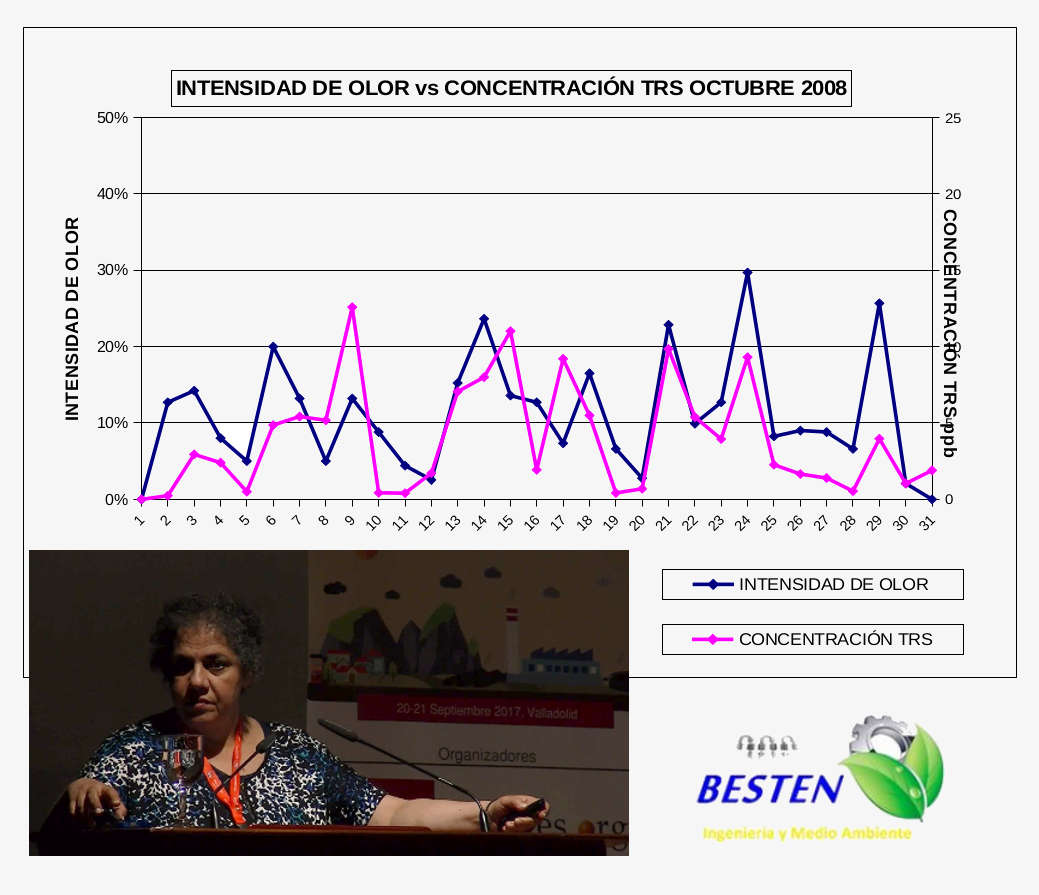 The aim of this study was to validate olfactometric measurements made in neighborhood of facilities that emit odours at the same time measure the impact on the nearby population before and after installation, and operation of equipment to mitigate odors.
Olfactometric techniques used in this work are to implement a questionnaire to citizens that could be affected by odours, and then take the values obtained to know odour intensity. On the other hand, they were measured for air quality by chemical analysis. The scope of this investigation was olfactometric measurements for a period of 18 months, as well as chemical analysis. Olfactometric measurement procedures were made using the German regulation VDI 3883 Part 1 and 2.
A.Ulloa, M.Zacarías*
Besten S.A., Condell 1415-1104, Providencia Santiago, Chile.
alvaro.ulloa@bestenchile.cl; marcela.zacarias@bestenchile.cl
 In this study, the application of the technique Gas Chromatography coupled to Ion Mobility Spectrometry (GC-IMS), for the detection of odorous volatile compounds in the indoor air of an urban waste treatment facilities, was evaluated.
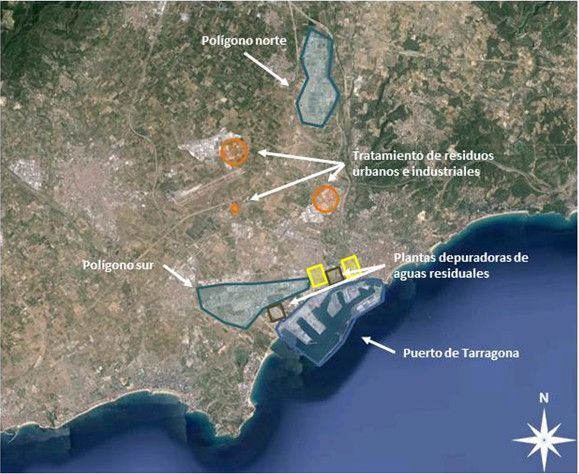 Nasapp is an odour episode management system through citizen participation. It allows to have a summary of situation in real time from any portable device or computer. In this paper we studied the advantages of incorporating the automatic calculation of trajectories models of air in each record made by volunteer citizens.