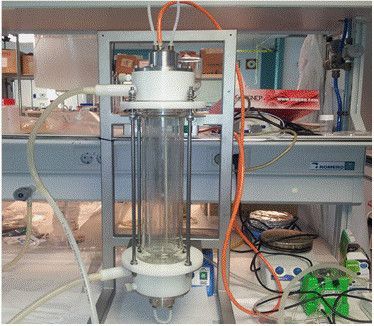
 The objective of this research has been to develop advanced odor treatment techniques, from the existing conventional ones and to provide more efficient solutions in those industrial processes that by their location or characteristics need greater efficiencies.
The experience has been developed at the Helados Alacant Factory and its EDARi. The technologies studied were: Bioscrubber, Nanoparticles of Zerovalent Iron and Photoreactors.
M. Calzada 1*, E. Campos 1, D. Zarzo 1, P. Terrero 1, E. Ortiz 2, J.A. Garcia 3, B. Calderón 3, A. Fullana 3 and D. Prats 3
1 VALORIZA AGUA. Molina de Segura, 8. 30007. Murcia.
2 KHAlacant Innova. Carretera de Alicante, Km 4. 03690. San Vicente del Raspeig, Spain
3 Instituto del Agua y de las Ciencias Medioambientales. Universidad de Alicante. San Vicente del Raspeig. 03690. Alicante, Spain
*macalzada@sacyr.com
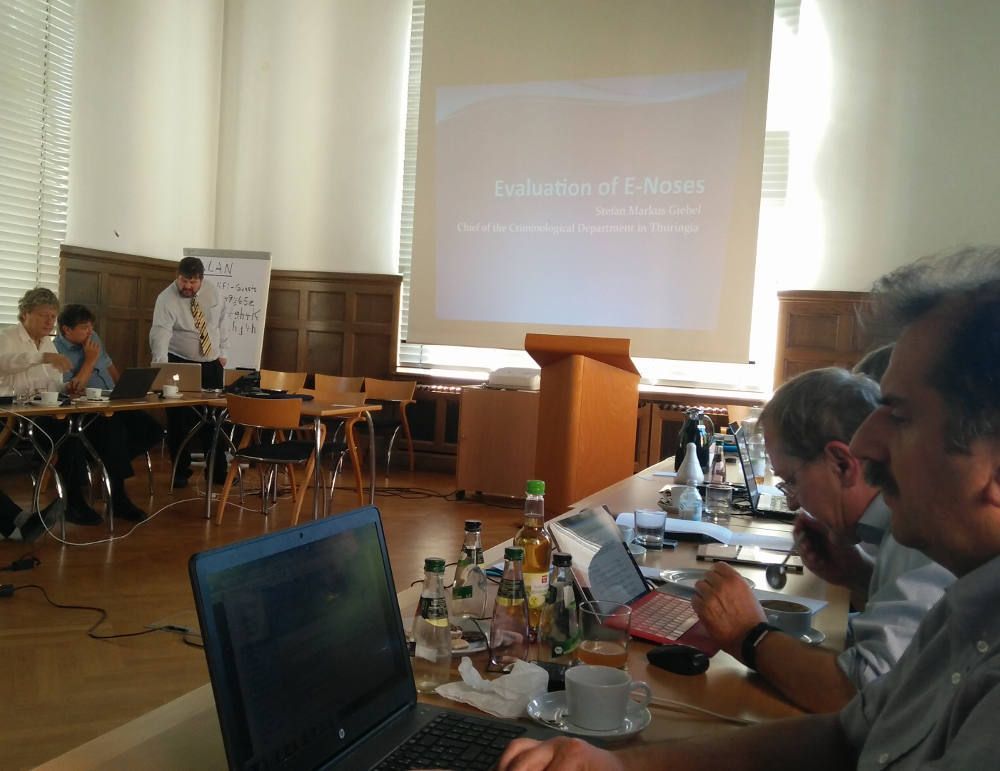 Two points of view. Two ways of seeing calibration of Instrument Odour Monitors (in short here, o-sensors). The 29th and 30th of August, the Working Group (WG) 41 committed to the new standard on o-sensors, met in Berlin, Germany to discuss a bit more about the text. This time, there were some very hot discussions on the interesting issue of o-sensor calibration. The tense atmosphere was broken from time to time by the pause for coffees, but all in all, everybody was enjoying the fascinating discussions being hold in the meeting room of the
 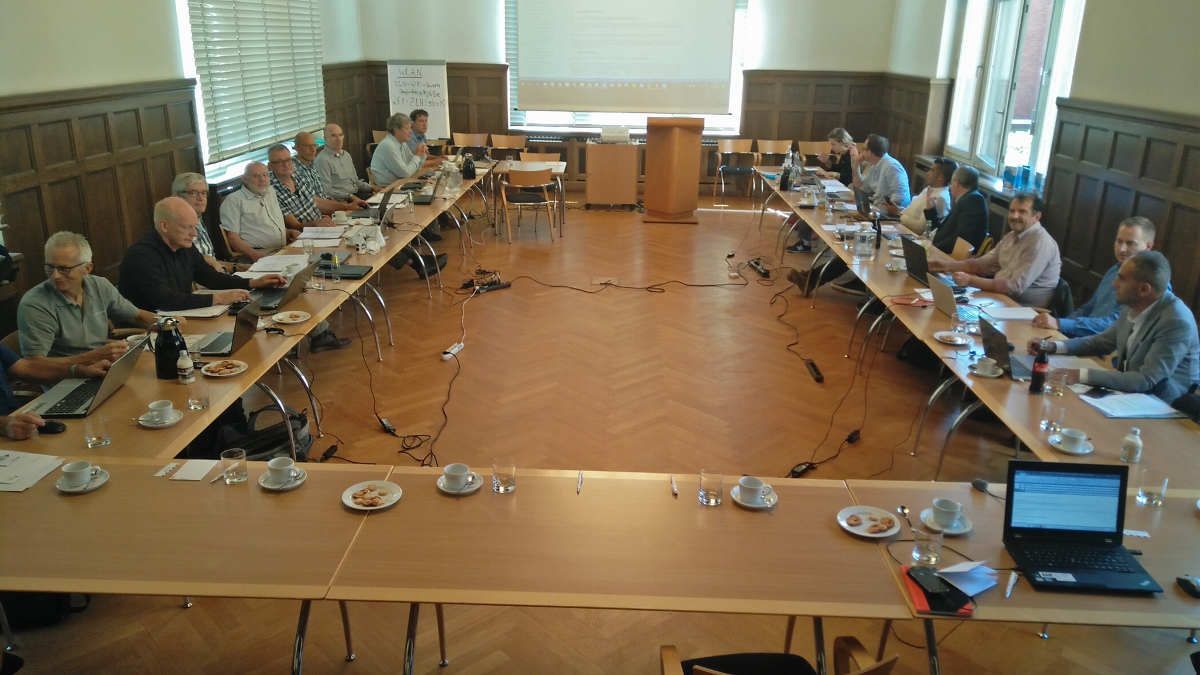 The 13th CEN meeting of