 The USEPA approved in July 2016 an update of CALMET and CALPUFF from V5.8.4 to V5.8.5. This update includes code changes described in Model Change Bulletin H and include fixes to bugs in the implementation of PRIME downwash, along with updates to eliminate specific compilation and list file errors. Three years later after the last update approved by the US EPA, this second revision is still falling short for odour dispersion modelling.
The CALPUFF Modeling System is a non-steady-state puff dispersion model that simulates the effects of time- and space-varying meteorological conditions on pollution transport, transformation, and removal. According to the US EPA CALPUFF can be applied for long-range transport and for complex terrain.
 The Water Environmental Federation (WEF) Air Quality & Odor Control Committee has developed a survey to benchmark industry efforts related to odor control and odor management. The results of this survey will be useful for utilities to know how their organization's activities compare to what others are doing. In addition, the results will also be useful for consultants, manufacturers, and researchers to understand gaps and needs.
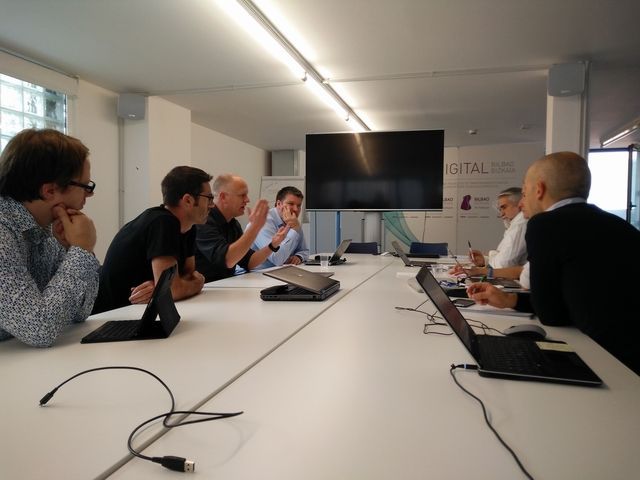 Olores.org had the privilege of organizing the last meeting of the