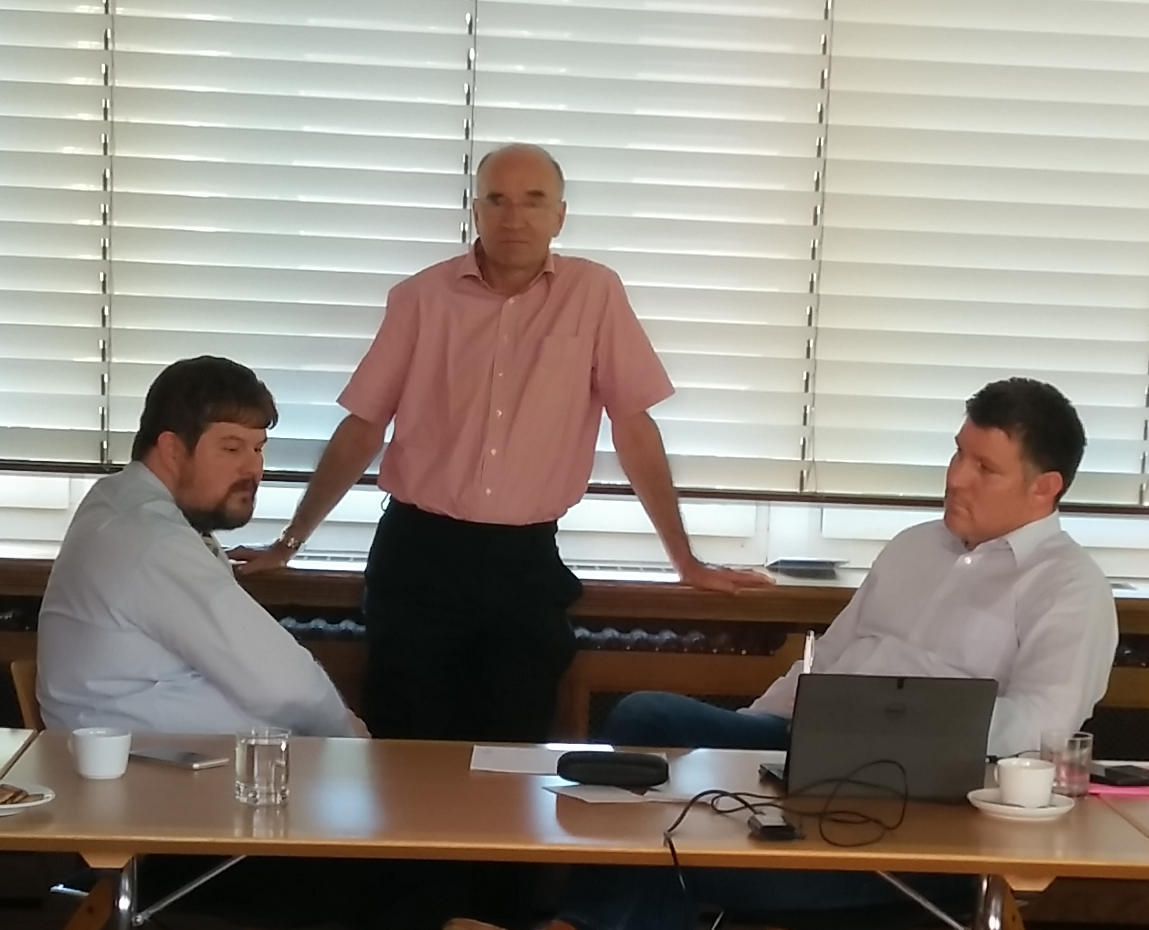
Yesterday, we were informed by the CEN that the 15th on November 2017 Dr. Thomas Hübert passed away after a very short illness. Dr. Thomas Hübert worked at the Federal Institute of Materials Research and Testing (BAM) and he was member of several groups dealing with instrumental odour monitoring such as the Working Group (WG) 41 of the Technical Committee 264 of the CEN.
Dr. Hübert was activily involved in the WG41 and he was also the coordinator of the German mirror group. The picture on the left was taken in Berlin in August last year, during the last meeting of the WG. Dr. Hübert (in the middle) was a very active person and he took part on many decisions of this group. It is a great loss for his family and friends and also for the "odour" family.
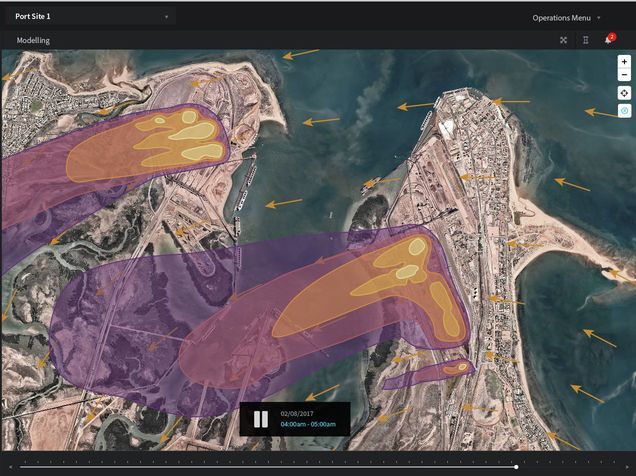 Currently, odour modelling maps represent a static photo on the impact assessment in P98, 1h. This information allows the proper design of odour control measures, regarding emission reduction or better dispersion. However, this information is not enough to carry out an operational and proactive odour management, which is associated with the operations at installations.
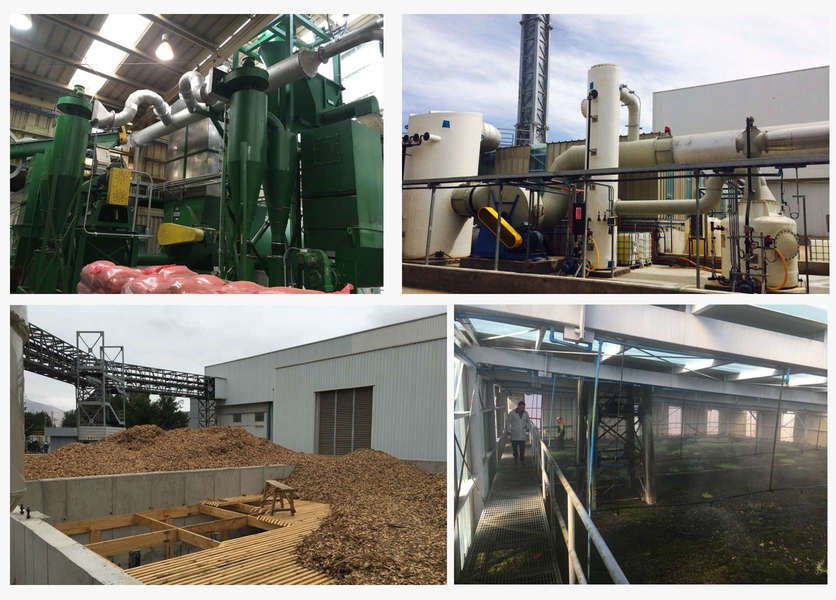 The processing of meat by-products for the production of protein meals entails the generation of gaseous emissions causing annoying odours that cause a severe environmental impact in the surrounding populations.