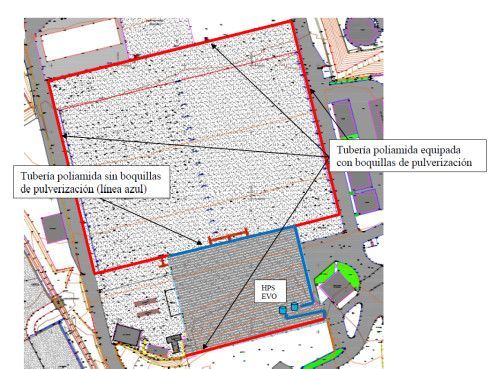
 The objective of this paper is to describe and evaluate the project of odour impact reduction by means the design, erection and start up of a osmogenic barrier through a spray system of specific products, in waste mechanical and biological treatment plant.
These products have hydrophobic groups, which have long hydrocarbons chains. This structure allows the formation of big molecular aggregates named micelles. This micelles prevent than malodorous molecules (osmogenic molecules) can be detected by the human sense and despite they are still present in the air, they don’t smell anymore.
J. Vicente Alfanjarín
Director Técnico DEPLAN, S.L. (j.vicente@deplan.es)
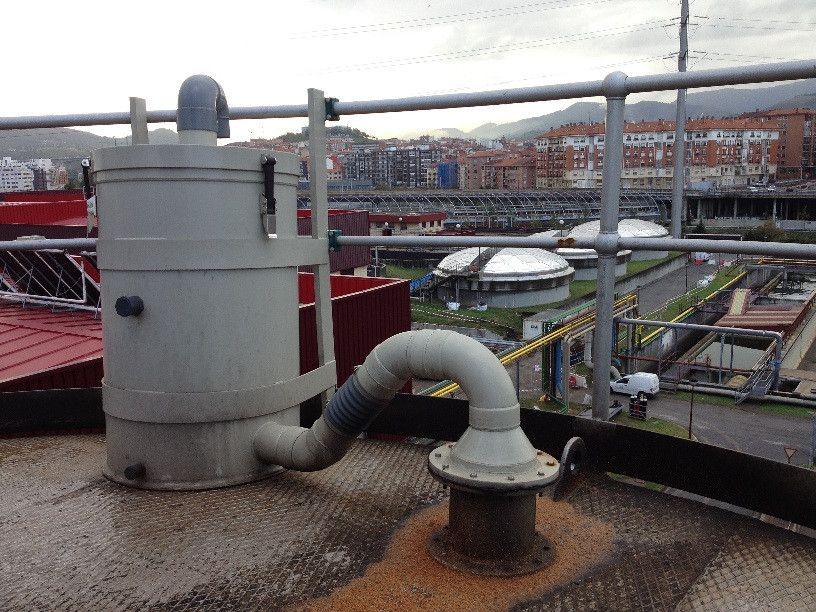 Odor control in waste water treatment plants and pumping stations is already a priority in the integration with the neighborhood. Lately the energetic and economic optimization of deodorization has become very important.
 Issues with ambient odours could be annoying and exhausting for the people involved in this context. For the plant responsible of the odour emission, for the people that is exposed to environmental odours and for the authorities responsible of mantaining an adequate vital and equilibrated ambient air at work.