There is no translation available.
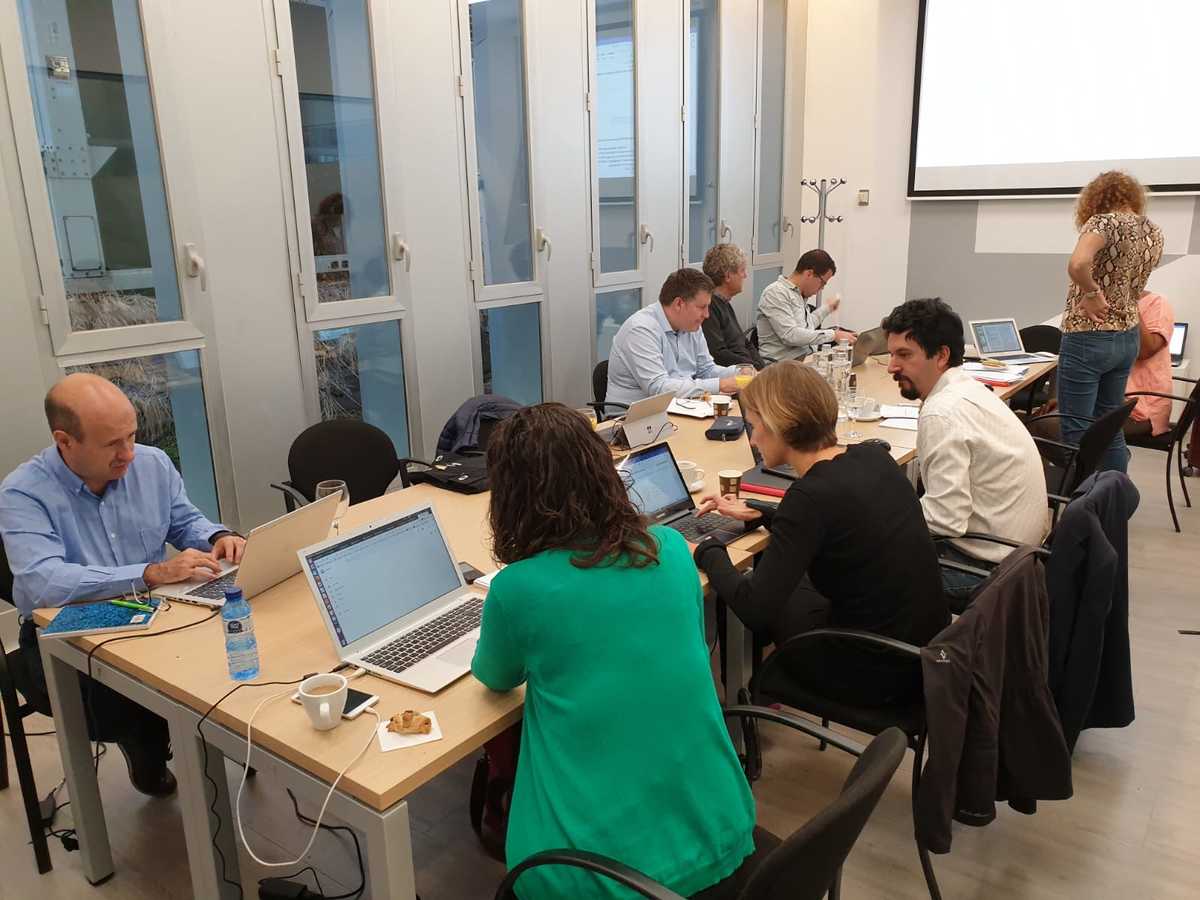 WG41 is having an intensive year 2019 as more meetings than usual are happening this year. Last one took place in Barcelona, Spain only two months after the WG41 meeting in Bilbao, Spain. 12 experts from Belgium, Germany, the Netherlands, Italy and Spain sat to discuss issues related to the use of Instrumental Odour Monitoring Systems (IOMS).
Some very important issues were discussed during the meeting. One of them related to the Quality Assurance Levels (QAL) of the IOMS, to be precise with the QAL1. It seems that there will not be a specific group dealing with a procedure to demonstrate that the IOMS is suitable for the intended purpose before installation.
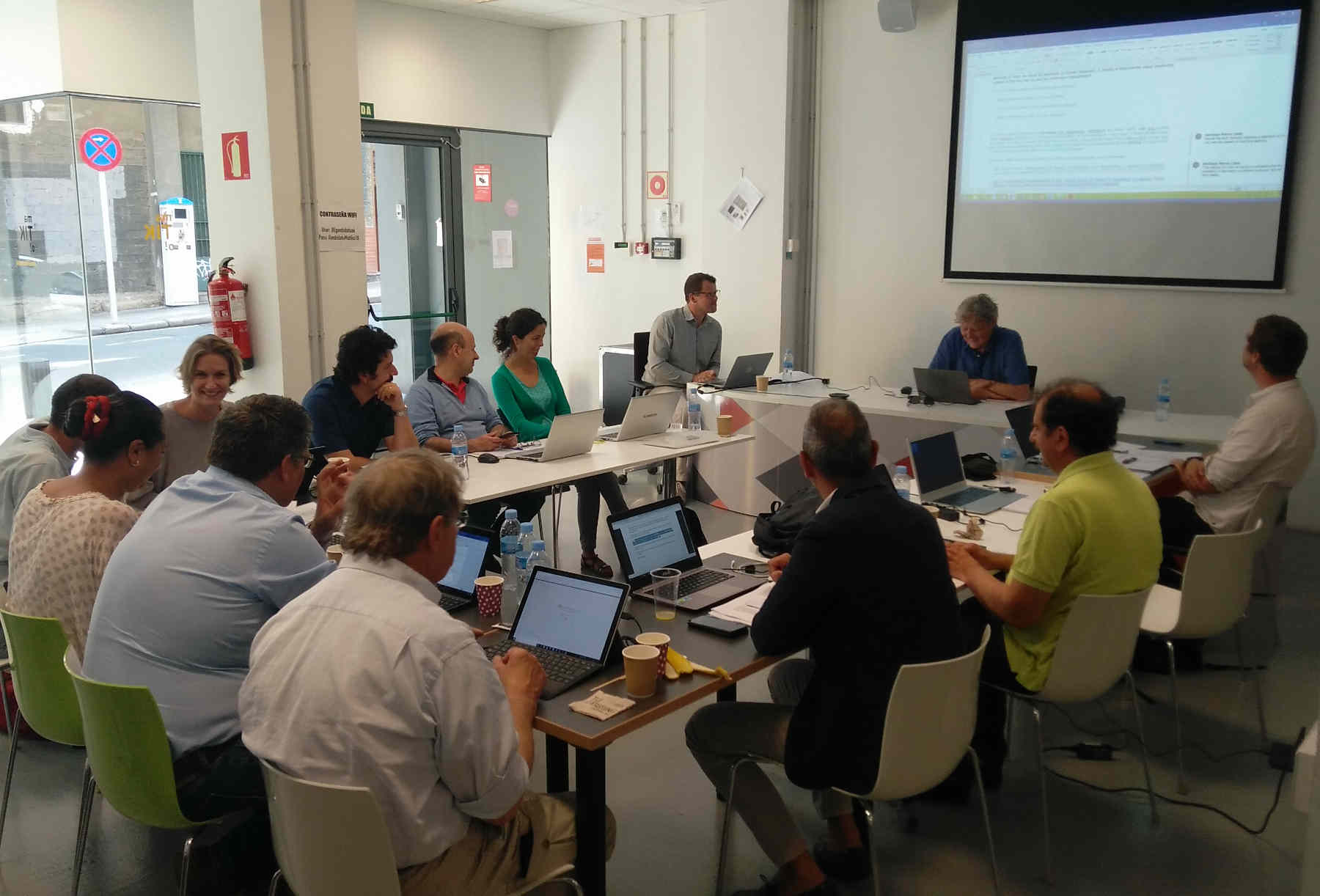 The 13th meeting of the Working Group (WG) 41 of the Technical Committee (TC) 264 on air quality of the European Standard Committee (CEN) dealing with Instrumental Odour Monitoring Systems (IOMS) coded as CEN/TC 264/WG 41, took place in Bilbao, Spain the 3rd and 4th of July. A total of 16 experts met to discuss the new standard on IOMSs, previously known as e-noses.