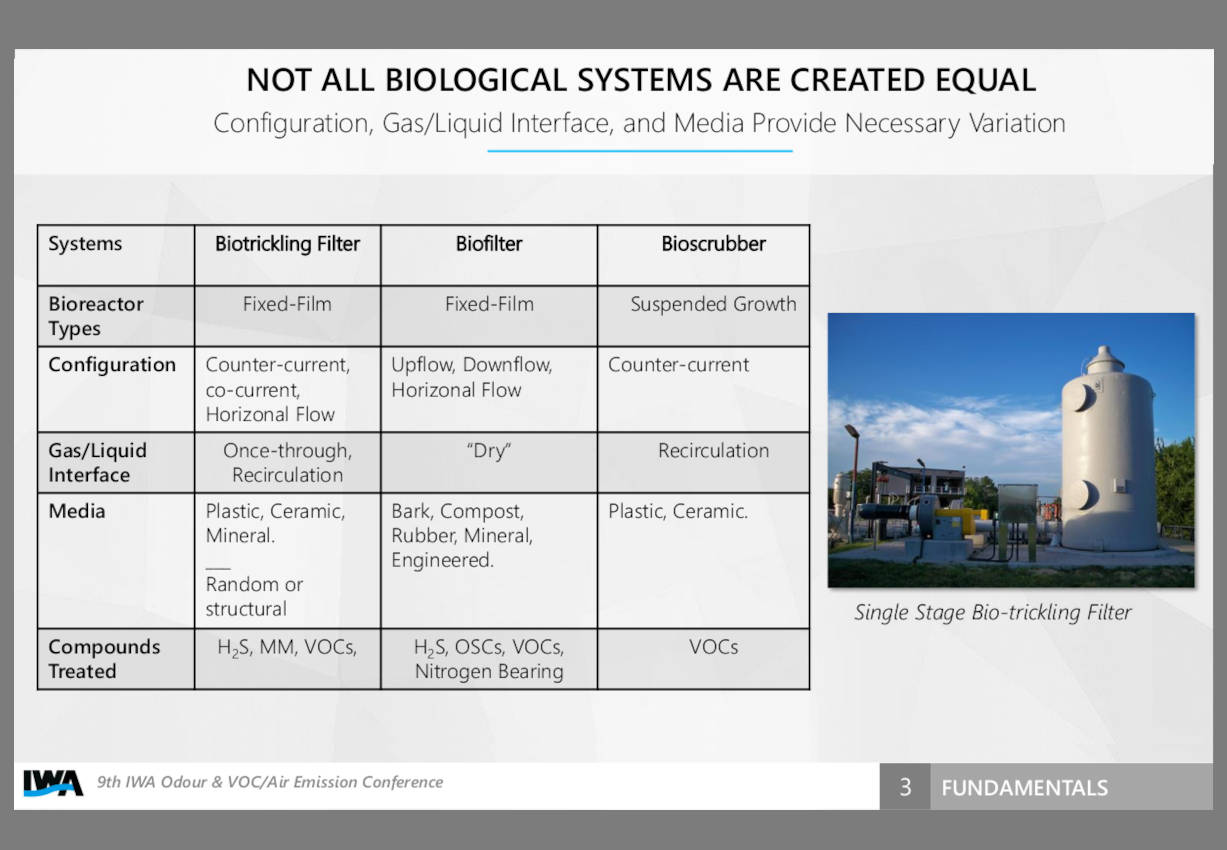
 Biofiltration is not a one-size-fits-all technology. In order to properly design the biological odour control process, the foul air source needs to be accurately characterized. The optimal biological odour control configuration will depend strongly on the compounds contributing to odour. Considering the application of biological odour control to wastewater treatment plants specifically, this paper first describes the most common odorous compounds and how each can be biologically degraded.
Several case studies demonstrate the importance of selecting the proper biological technology based on the foul air source. This paper is intended as a Manual of Best Practices for environmental professionals interested in applying the latest developments in advanced biological odour control techniques.
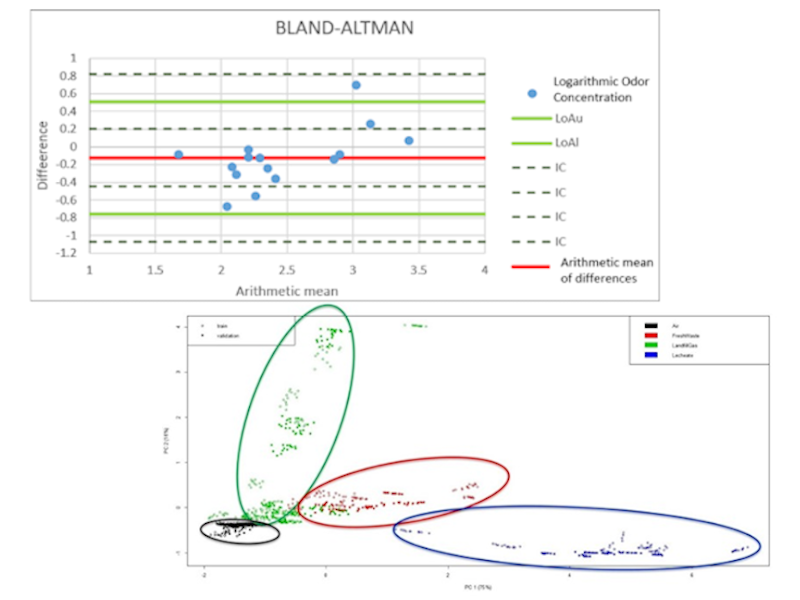 Instrumental Odour Monitoring Systems (IOMS) represent the only tool available for environmental monitoring capable to perform real-time characterization of ambient air. They have been commonly used to assess odour impact at receptors thanks to their capability to detect odours and identify their provenance. An emerging application of IOMS concerns the real-time monitoring of emissions at plant fencelines. To do this, IOMS must provide a fast and accurate measurement of the odour concentration.
 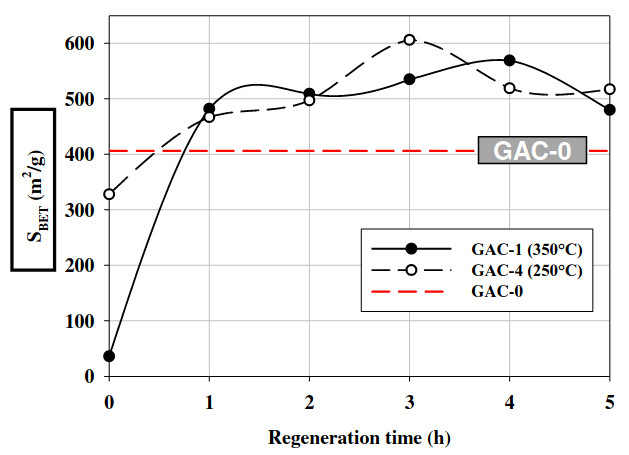 In this work, the physico-chemical, olfactometric and textural characterization of granular activated carbon (GAC) from the odor adsorbent beds of an urban wastewater treatment plant (WWTP), as well as the chromatographic quantification of the retained odoriferous compounds, were carried out.