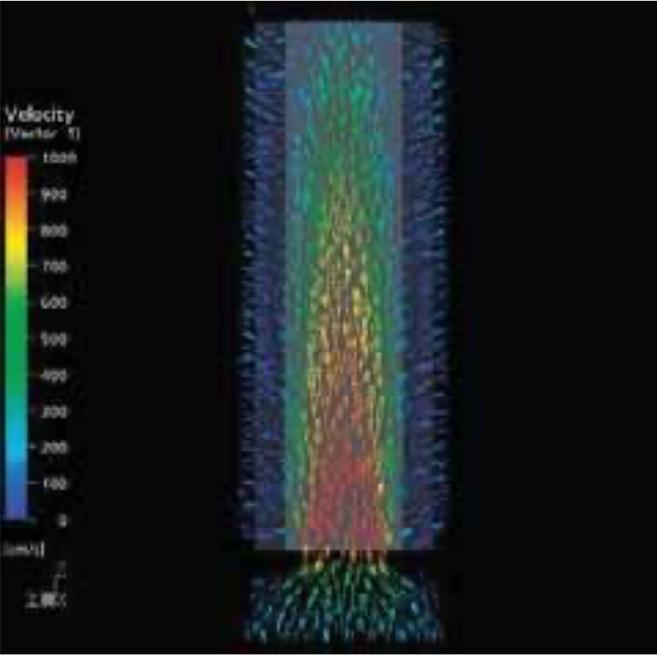
 The use of activated carbon has been and still is common practice in deodorization installations, as it is one of the technologies that requires the lowest initial investment, as well as little maintenance. The current situation, in which the price of this raw material is rising steadily, has led to the search for new alternatives for chemical adsorbents that allows to eliminate or minimize the use of activated carbon, while maintaining or even improving its performance.
This study aims to present alternatives to activated carbon and compare the filtration efficiency, both in capacity and reaction rate, for hydrogen sulfide, as well as their physical characteristics. The carbon footprints of each type of adsorbent being used will also be compared. The use of nearby raw materials, together with chemical engineering for the development of these new products, makes it possible to achieve better chemical adsorbents, less pollutants, more competitive prices and what is also important, more stable prices.
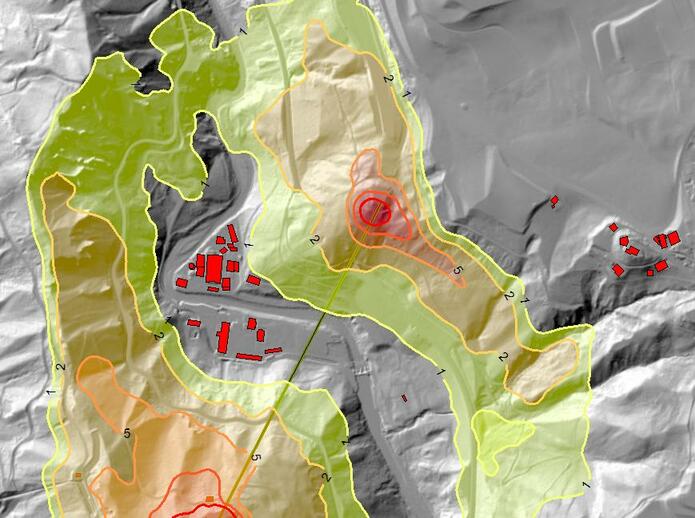 The well known Graz Lagrangian particle model (GRAL) system developers, with a free Graphic User Interface (GUI) available in both Linux and Windows, have released the new GRAL and GUI version 22.03 with plenty of bug fixes and new features.
 The company Olfasense has opened the registration for the annual Proficiency Test for Olfactometry based on EN 13725:2003. Laboratories around the world are invited to participate in this edition to confirm compliance to the performance criteria of EN 13725:2003.