 Issues with ambient odours could be annoying and exhausting for the people involved in this context. For the plant responsible of the odour emission, for the people that is exposed to environmental odours and for the authorities responsible of mantaining an adequate vital and equilibrated ambient air at work.
Odour perception is personal, subjective and volatile. Among the many important factors involved in the odour perception, memory plays a key role. Many times, citizens will complaint that their annoyance is not being taken seriously and there is a lack of understanding, and sometimes knowledge, of what happened in the past. Therefore, a successful process of odour management requires both a wide set of relevant information about the odour and an effective comunication strategy among the parties involved.
Marc Andresen
mandresen@olfasense.com
Olfasense GmbH - Fraunhoferstraße 13 - 24118 Kiel, Germany
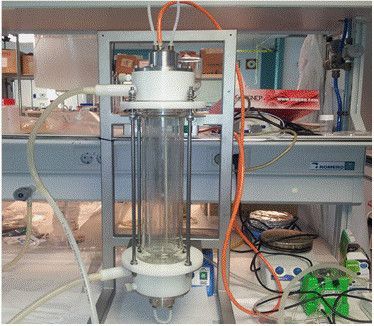 The objective of this research has been to develop advanced odor treatment techniques, from the existing conventional ones and to provide more efficient solutions in those industrial processes that by their location or characteristics need greater efficiencies.
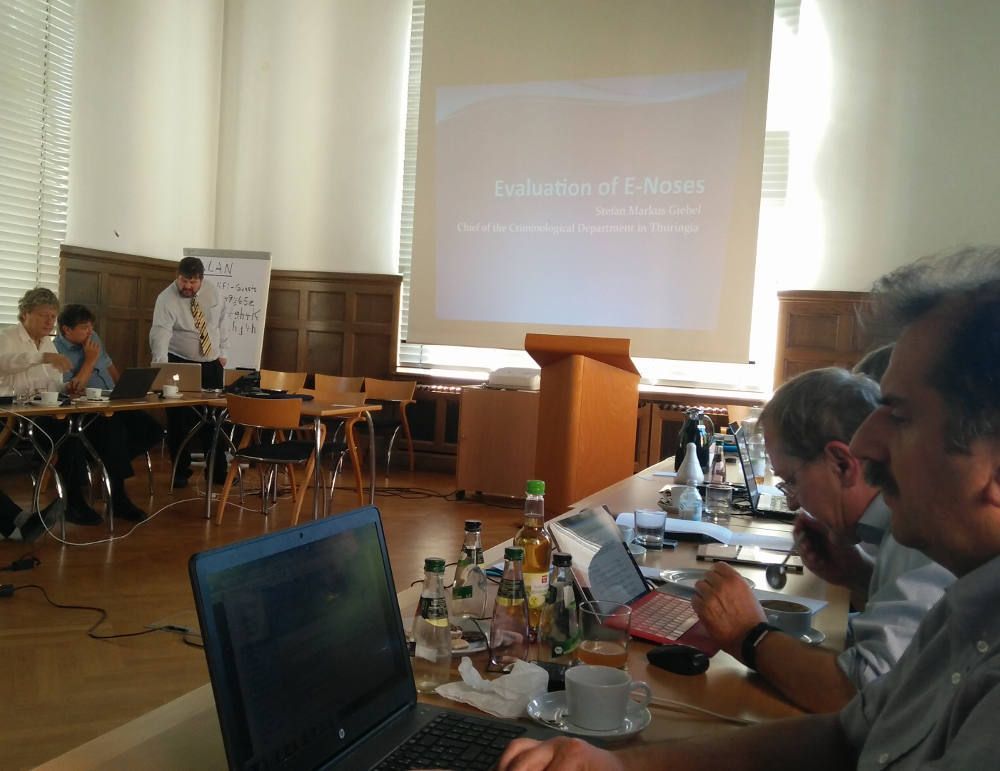 Two points of view. Two ways of seeing calibration of Instrument Odour Monitors (in short here, o-sensors). The 29th and 30th of August, the Working Group (WG) 41 committed to the new standard on o-sensors, met in Berlin, Germany to discuss a bit more about the text. This time, there were some very hot discussions on the interesting issue of o-sensor calibration. The tense atmosphere was broken from time to time by the pause for coffees, but all in all, everybody was enjoying the fascinating discussions being hold in the meeting room of the