There is no translation available.

   Lakes Environmental Software has announced the acquisition of the CALPUFF atmospheric dispersion modelling system from Exponent. This transaction, confirmed on 5 May 2024, marks another step in the evolution of CALPUFF, a model widely used by researchers, environmental consultants, and regulatory agencies globally.

    CALPUFF is a US EPA Guideline model for all applications > 50km, it is also the guideline model for all near-field applications where the steady state assumption does not apply, i.e., complex terrain and complex meteorological environments (Sea breeze, boundary layers, etc.). In addition, it is a model widely used in odour modelling. The code of this model, while being publicized as "freely available," is not open source, as far as we know. Over the years, the ownership of the code has changed from SRC to TRC, Earth Tech, Exponent, and now Weblakes.
There is no translation available.

   The team developing the high-resolution model system GRAMM/GRAL, inside the Institute of Thermodynamics and Sustainable Propulsion Systems at Graz University of Technology, has just released the new version 23.11.

   GRAL 23.11 has been compiled for .NET 8!
- The GRAL release is no longer published as an all-in-one file by default. This means that the user must install the .NET8 Runtime!
- For Windows users, a published version as a single-file is still available in a separate download!

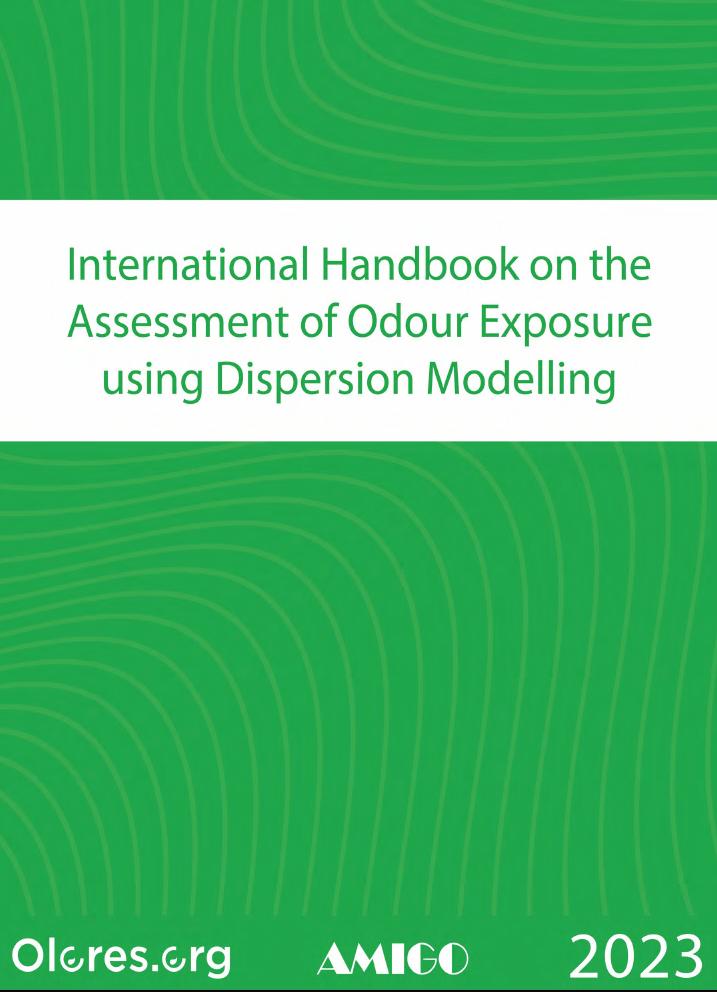
   Z radością ogłaszamy zakończenie trzech lat poświęconej pracy, która zaowocowała powstaniem pierwszego na świecie międzynarodowego podręcznika skoncentrowanego na ocenie narażenia na zapach poprzez modelowanie dyspersji. Inicjatywa ta miała na celu zapełnienie luki w istniejących wytycznych dotyczących zarządzania zapachem i innych wytycznych związanych z modelowaniem dyspersji, a teraz pierwsze wydanie jest dostępne do pobrania.

   Podręcznik porusza złożoności modelowania zapachów, uwzględniając unikalne cechy incydentów zapachowych, często postrzeganych w sekundy lub minuty, co stanowi wyzwanie dla tradycyjnych modeli dyspersji. Podkreślenie narażenia jest kluczowe dla dokładnego obliczenia wpływu zapachów na otaczające powietrze, zwłaszcza przy słabym lub bardzo słabym wietrze, gdy dyspersja jest ograniczona.

Więcej artykułów…

All the content here under Creative Commons license