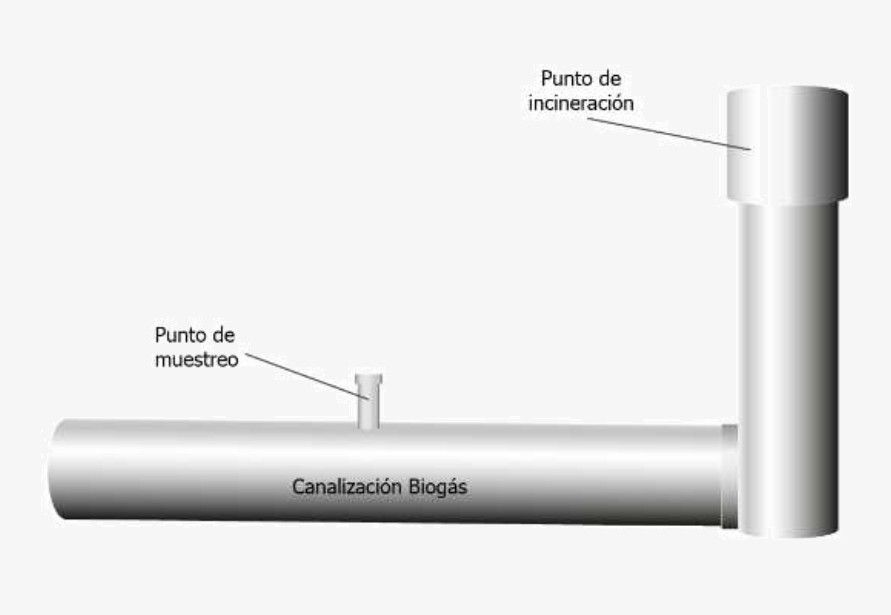
 The use of an appropriate operational management tool plays a fundamental role in establishing and defining the normal operational parameters during any process. If this process also entails a high potential for odor generation or specific gaseous compounds, either due to a specific process condition or deviations from the process, it becomes even more relevant as operational control management. Hence, a detailed knowledge of the processes and levels of odorant gases present must be evaluated based on reliability and accuracy.
This article is based on experience, during the development of a project carried out in a liquid industrial waste treatment plant, and what has been learnt remains current and updated know-how.
Héctor Vergara1, Maria José Bravo2
Ecometrika, Av. Américo Vespucio 2296, Conchalí, Santiago, Chile.
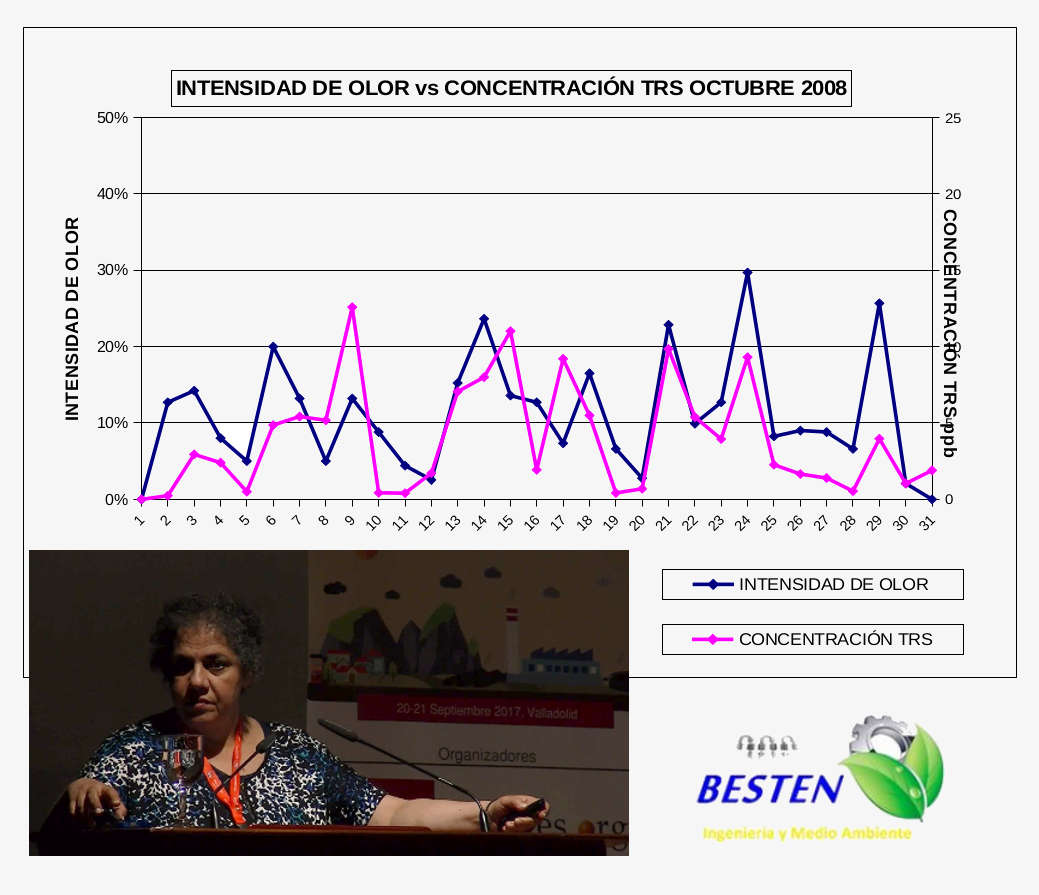 The aim of this study was to validate olfactometric measurements made in neighborhood of facilities that emit odours at the same time measure the impact on the nearby population before and after installation, and operation of equipment to mitigate odors.
 In this study, the application of the technique Gas Chromatography coupled to Ion Mobility Spectrometry (GC-IMS), for the detection of odorous volatile compounds in the indoor air of an urban waste treatment facilities, was evaluated.