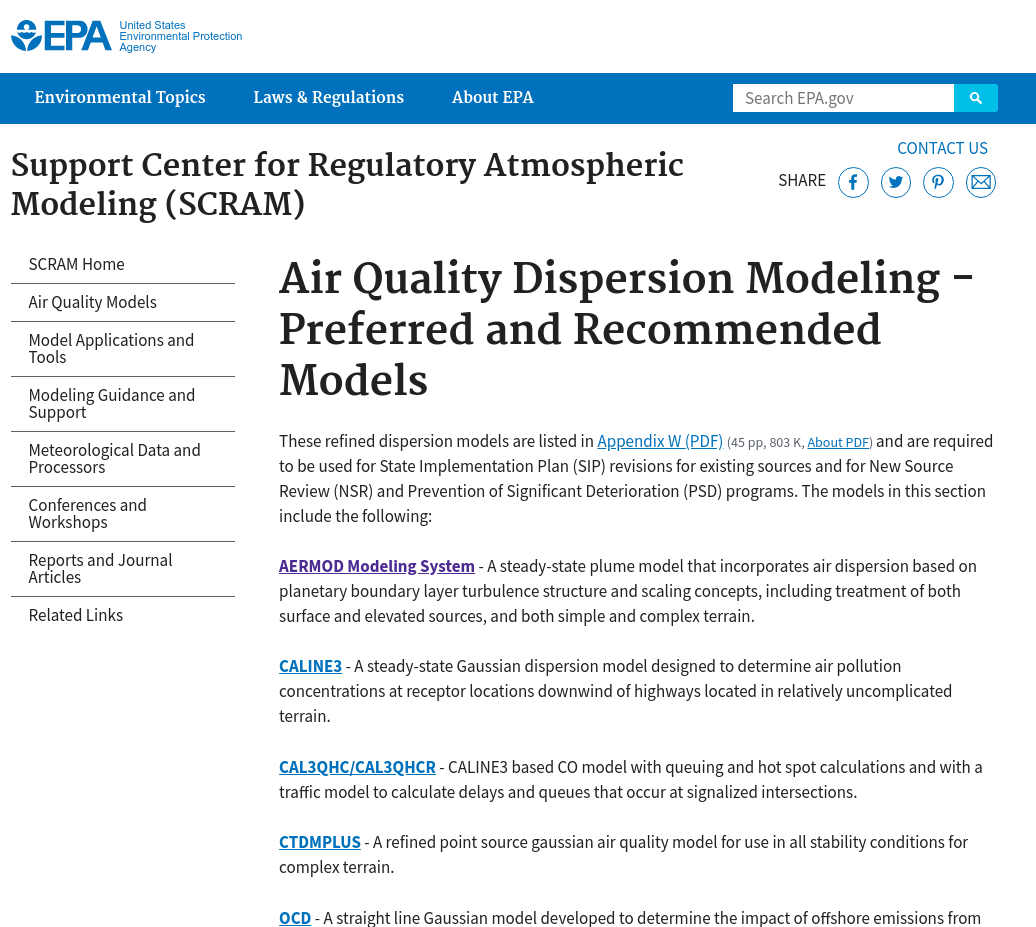
 The website of the Support Center for Regulatory Atmospheric Modeling (SCRAM) no longer includes the CALPUFF model as a recommended dispersion model. This means that one of the most widely dispersion model used for odour modelling is not recommended by the US EPA any more. This decision has serious consequences for the odour community.
The U.S. Environmental Protection Agency (US EPA) originally published the Guideline on Air Quality Models in 1978. Since then, a few revisions of the Guideline have been carried out. In 2003, this Guideline was modified to include CALPUFF as one of the preferred model. This model was removed from the "preferred list" in May, 22 2017 (and now from the website). allegedly due to concerns about its capabilities to deal with long-range transportation of pollutants. This is no argument to exclude this model from the recommended list, as it is widely used for other purposes, different from long-range transportation. For example, when dealing with the calculation of the odour impact of a facility.
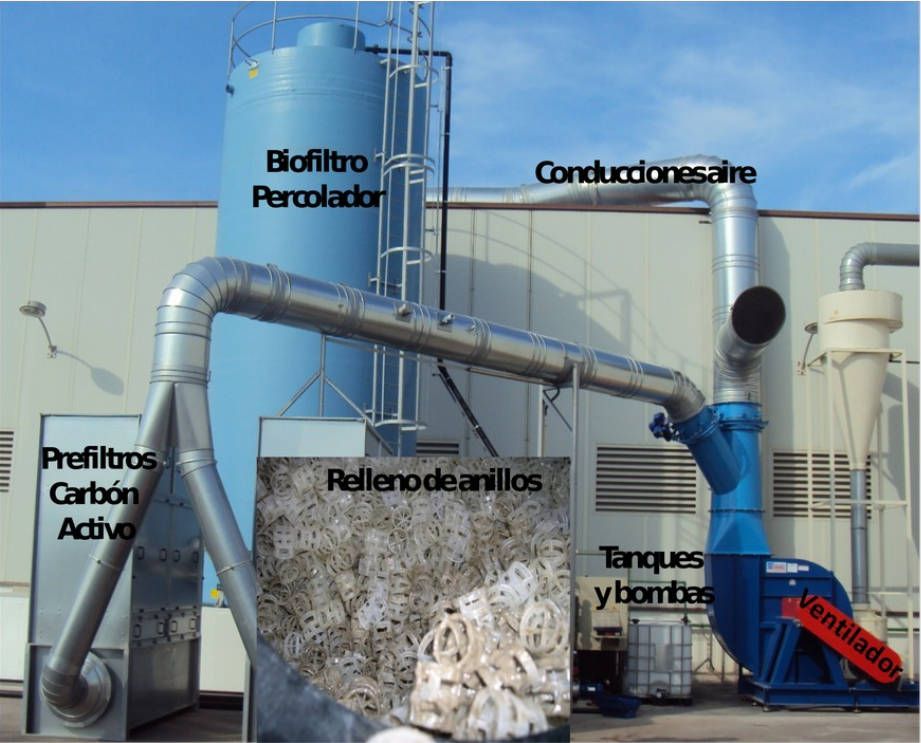 Emissions of volatile organic compounds (VOC) in several industrial sectors are regulated by increasingly restrictive policies, requiring the implementation of control treatments. In recent years, we have been working on the scaling of the biotrickling filter (VOCUSTM) for its industrial application, and there are several companies in Europe that already use this technology to control their emissions.
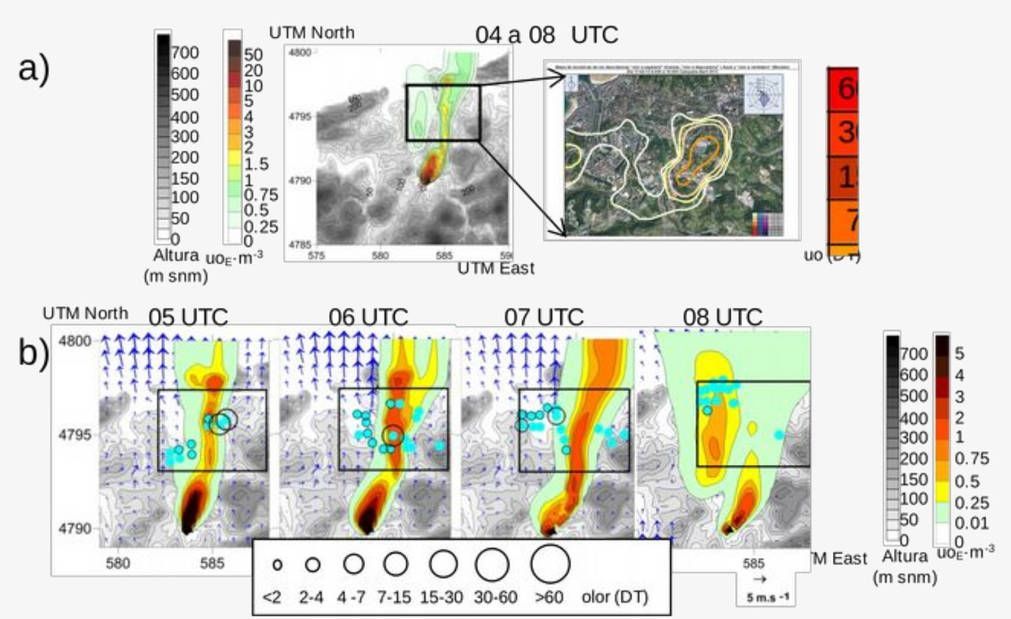 The RAMS-CALMET-CALPUFF modelling system has been used to simulate the odorous impacts from a paper-mill in an urban area located several kilometres away in a coastal mountainous area.