There is no translation available.
 The proposed Advanced Biofiltration (mixed organic/inorganic) can be considered the Best Available Technology (BAT) to treat odorous emissions from MSW treatment plants, composting and WWTP plants among others, typically achieving final odour concentrations below 1000 uoE/m3 or 95% efficiency.
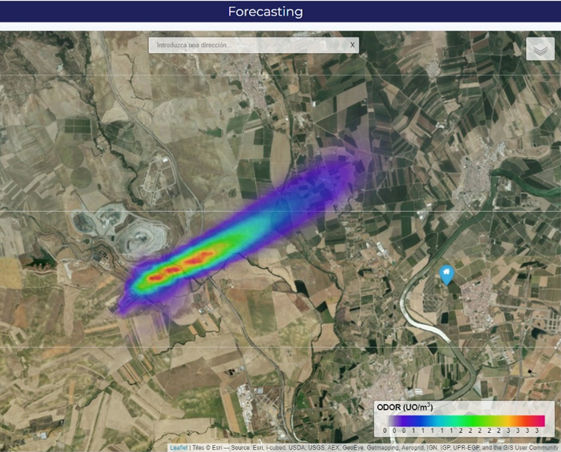
The applied sensorics includes the most relevant parameters (COVs, H2S, NH3). The integration of these parameters in the Airadvanced™ platform allows real-time monitoring of the correct functioning of the biofilter and thanks to the meteorological (WRF) and dispersion (CALPUFF) models allows the client to visualize the impact in real time and the prediction of impacts up to 72 hours.
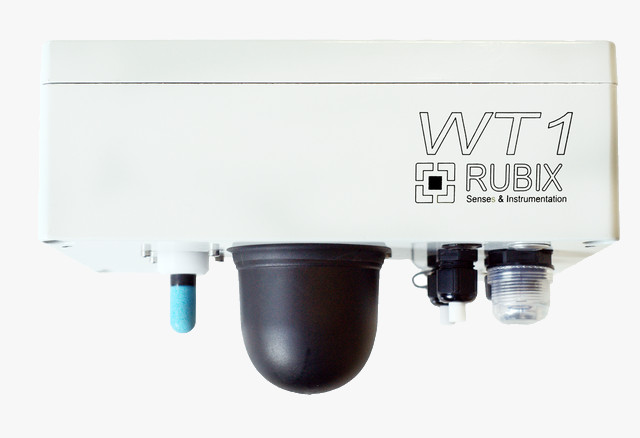 The French company Rubix, directed by the Mr. Jean-Christophe Mifsud, former CEO of Alpha MOS is switching to a more intelligence-focused service and that is why the company recently decided to change its name and will be called Ellona from January 2022.
 Over five years have passed by since the