There is no translation available.

   South Coast Science Limited, a company renowned for its advanced air quality monitoring technology, has officially announced that it ceased trading as of 17th July 2024, entering into insolvency. The company, based in Brighton, was known for designing and manufacturing affordable, high-density environmental monitoring networks, delivering accurate real-time data to evidence compliance, inform decision-makers, and support community action.

   David Johnson, the Business Development Director, is a prominent figure in the sector. With a distinguished career and deep knowledge of the market for environmental monitoring systems, Johnson has been instrumental in the growth and success of the company. His expertise and leadership have helped establish South Coast Science as a benchmark in the industry, particularly noted for the reliability and precision of its products.
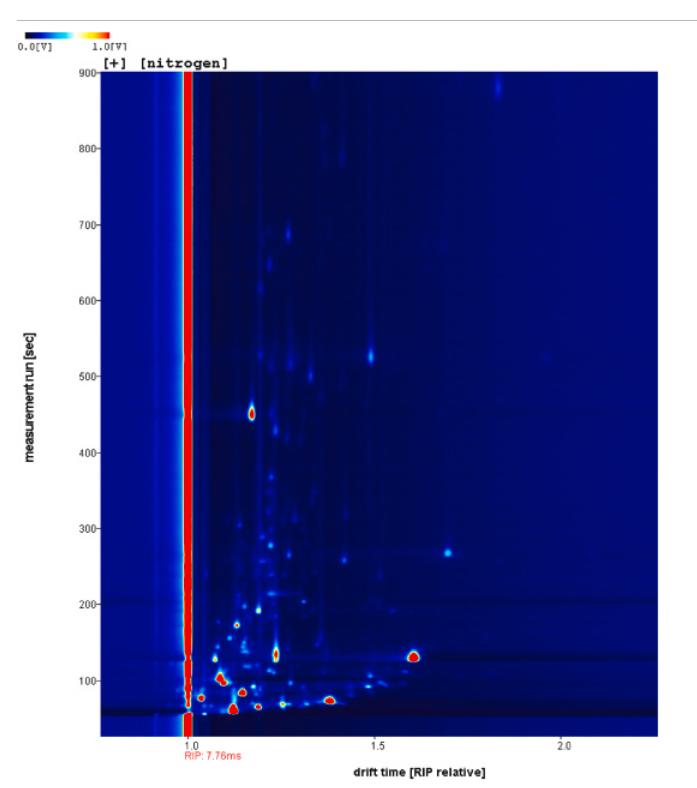
    Chromatografia gazowa z zastosowaniem spektrometrii mobilności jonów (GC-IMS) istnieje od pewnego czasu i była stosowana w kilku projektach do wykrywania odcisku zapachowego.  Niedawno przełomowe badanie wprowadziło pakiet R GCIMS, narzędzie typu open-source zaprojektowane do usprawnienia przetwarzania danych dla tej nowoczesnej technologii.

   GC-IMS umożliwia badanie lotnych związków organicznych (VOCs) w biofluidach, dając początek temu, co często nazywane jest "wolatilomiką". Te związki przyczyniają się do charakterystycznego zapachu oddechu, śliny, potu i nie tylko. Istotne jest, że zmiany w składzie tych VOCs wskazują na różne stany zdrowia i można je wykorzystać do diagnozy chorób i monitorowania leków.

There is no translation available.

   Determining the emission impact of area sources (biofilters, wastewater tanks) on air quality and the environment by classic measurement techniques (i.e. static hood sampling), is currently lacking in pertaining uniform and representative emission data by being restricted in sampling area, time and safety. This creates an extra hindrance when emission rates from such sources need to be determined by the fluxwindow method, which implies measuring emission concentrations up- and downwind along different horizontal and vertical profiles of the area source.

   In an effort to improve on this matter, the possibility of using a drone equipped with an emission detection laboratory (OLFASCAN Flying Lab) to quantify emission concentrations and rates via the fluxwindow method from a sludge buffer tank was investigated. The OLFASCAN Flying Lab is equipped with several electrochemical sensors for performing air quality measurements and was attached to a DJI Matrice600 PRO RTK drone.

Więcej artykułów…

All the content here under Creative Commons license