 D-NOSES stands for Distributed Network for Odour Sensing, Empowerment and Sustainability. This 3 year-long project was supported by International Associations, experts in citizen science, odour and sustainability experts, local administrations and public bodies. The deliverables of this 3.2 million Euros project are just being published, so if you wish to become a "master" in the use of citizen science to map odours, here you have much information to learn a bit more.
This DNOSES project is a European Horizon 2020 project that studied the use of mapping odour annoyance to describe and study the impact of this environmental vector. The idea was to launch several case studies to see how better use this tool that links odour with annoyance. This project is over and now all the deliverables are available.
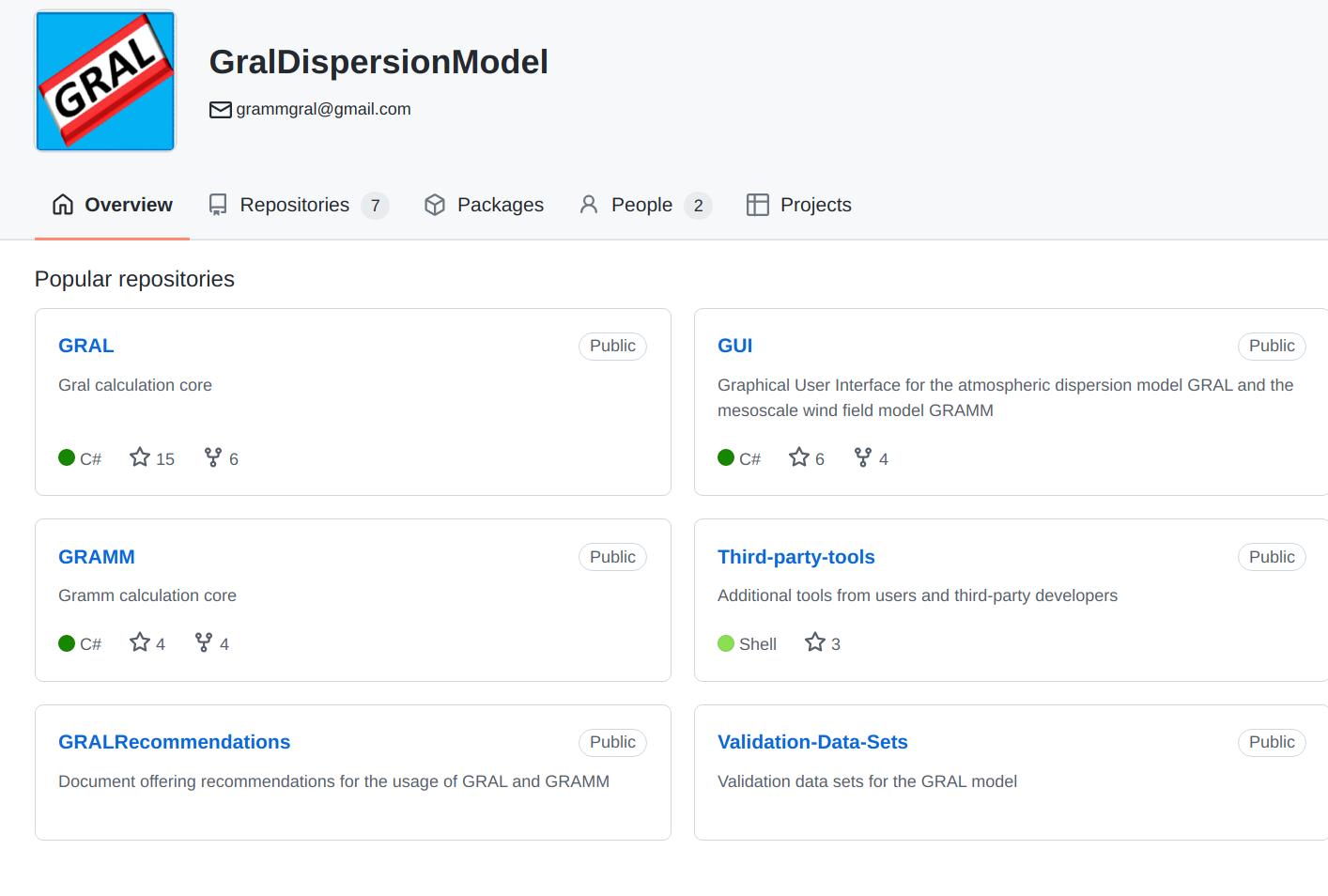 The Graz Lagrangian (GRAL) system is a Lagrangian particle model with a free Graphic User Interface (GUI) available in both Linux and Windows and it is well know among odour modellers. Now the developers have released the