There is no translation available.
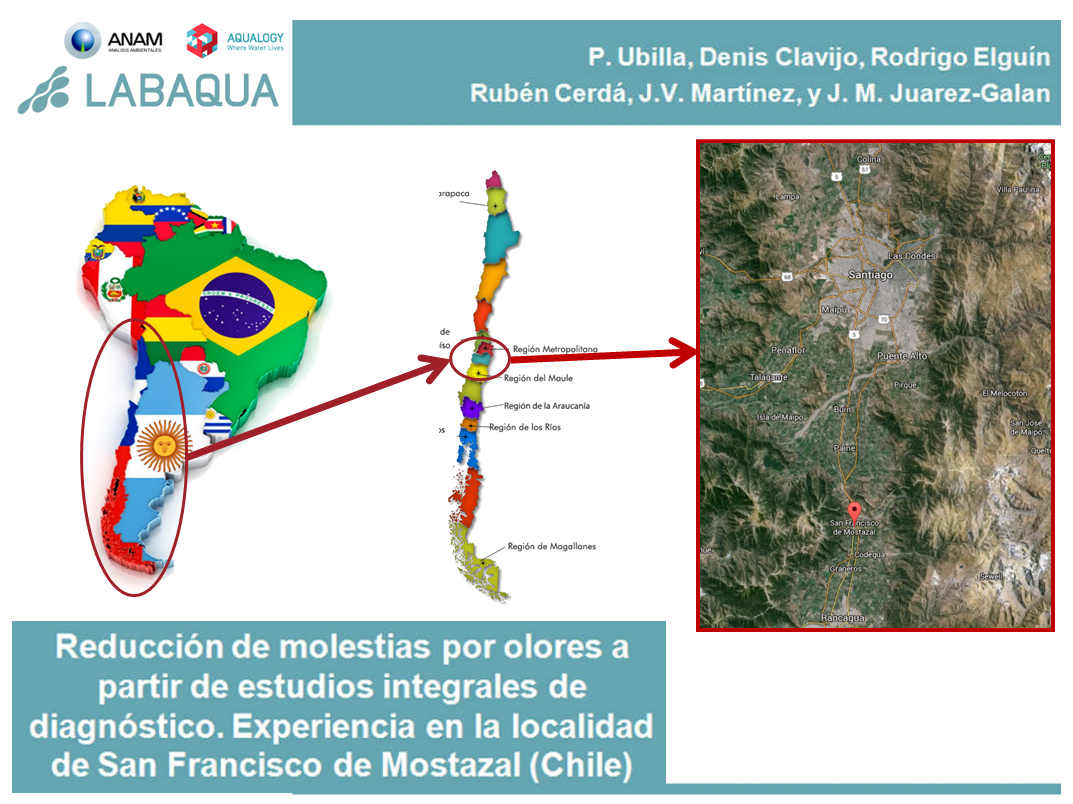 The relationship between the odors emitted by a given facility and the influence they cause on the population living in the surrounding area is very complex to determine. For these reason, a comprehensive study has been carried out at the Municipality of 'San Francisco de Mostazal', in Chile.
Standarized Methodologies allow to assess the problem in a standardized way, and from technical and economical point of view. The most used methodologies are emission-based studies (EN-13725 / NCh3190) and, immission-based studies (VDI3940); they can be complemented by chemical analysis and complain management.
P. Ubilla 1, Denis Clavijo 2, Rodrigo Elguín 2, Rubén Cerdá 3, J.V. Martínez 3 and J. M. Juarez-Galan 3*
1. Aqualogy Chile. La Concepción 141, Oficina 701. Providencia, Santiago. Chile.
2. ANAM. Américo Vespucio 451, Quilicura. Santiago. Chile.
3. Labaqua SA. C/Dracma 16-18. Polígono Industrial Las Atalayas. 03114 Alicante. Spain.
* jmanuel.juarez@labaqua.com
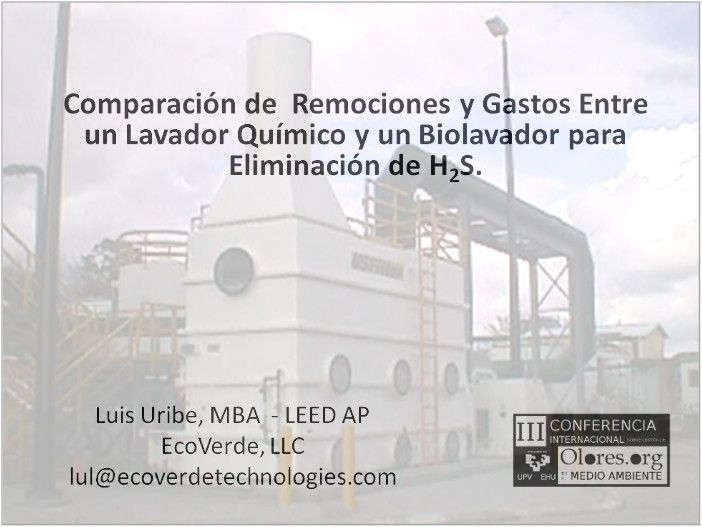 Biological odor control systems have proven to be one of the best alternatives in recent years. Their competitive advantage lies not only in its high removal efficiencies of odorous compounds, but also in their low operating and maintenance costs, compared to a chemical scrubber.
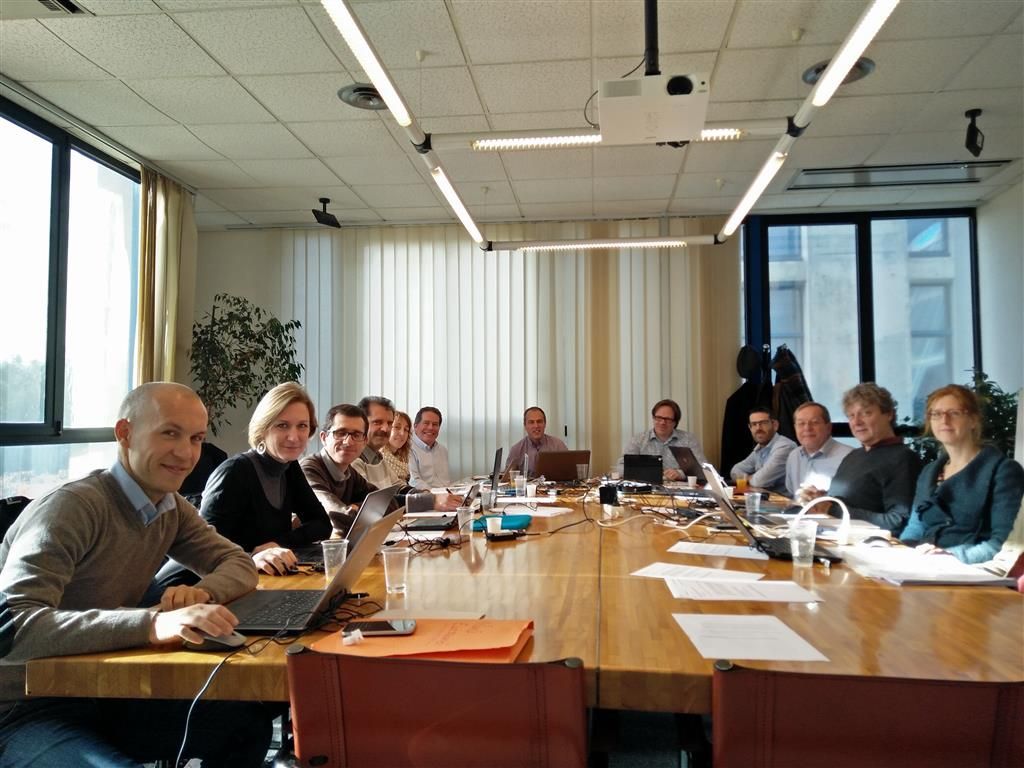 The second meeting of the Working Group (WG) 41 that is dealing with the first European Norm that will regulate the so-called “e-noses” took place in Nimes, France, the 11th of February 2016. In this meeting the title of the norm was further discussed. The question raised was: sensors for monitoring odorants or odours?