There is no translation available.
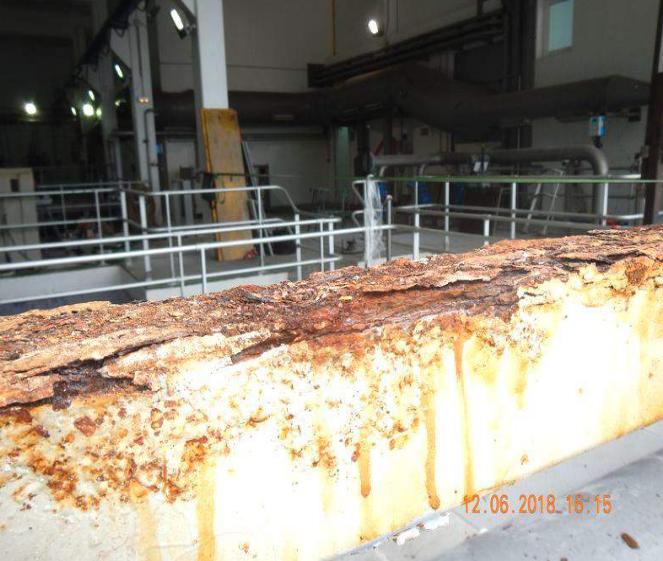 The Ondarroa WWTP receives wastewater with a very high salt load due to marine intrusion and discharges from canning industries. The high levels of SH2 in the network and in the WWTP cause serious problems of safety, odour and equipment degradation. To solve this, action has been taken in the network, reducing the contribution of sulphates at source by separating networks, reprogramming pumping and improving the management of waste from the canneries.
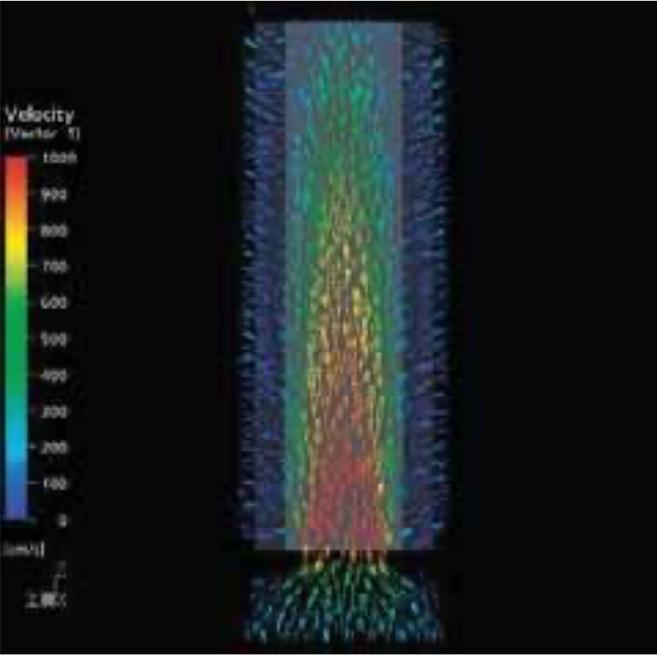
At the WWTP, the water sheets have been confined, the filter presses have been replaced by centrifuges, the interior ventilation has been modelled using CFD and deodorisation has been installed consisting of two stages (biotrickling + activated carbon) for the confined atmospheres and one stage (activated carbon) for the ambient air.
 The use of activated carbon has been and still is common practice in deodorization installations, as it is one of the technologies that requires the lowest initial investment, as well as little maintenance. The current situation, in which the price of this raw material is rising steadily, has led to the search for new alternatives for chemical adsorbents that allows to eliminate or minimize the use of activated carbon, while maintaining or even improving its performance.