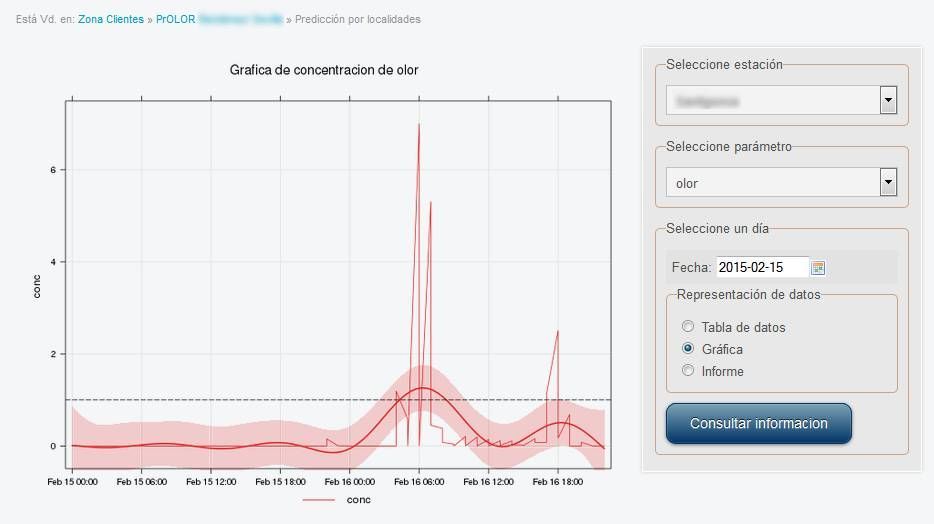
There is a wide range of methods used to monitor incidents at a real time scale using dispersion models in some occasions coupled with electronic sensor gas emission monitoring. In other cases the monitoring is made with the help of real data from residents or with dedicated panellists. They all have one thing in common: These tools predict the event when it is already happening, therefore there is no option for the plant manager to take actions to correct the incident.
David Cartelle Fernándezb, Carlos N. Díaz Jiménez*a, Jose M. Vellón Grañab, Ángel Rodríguez Lópezb.
a SVPA, Servicios de Protección Ambiental
b TROPOSFERA
Contacto: carlosdiaz@prolor.net
website: www.prolor.net
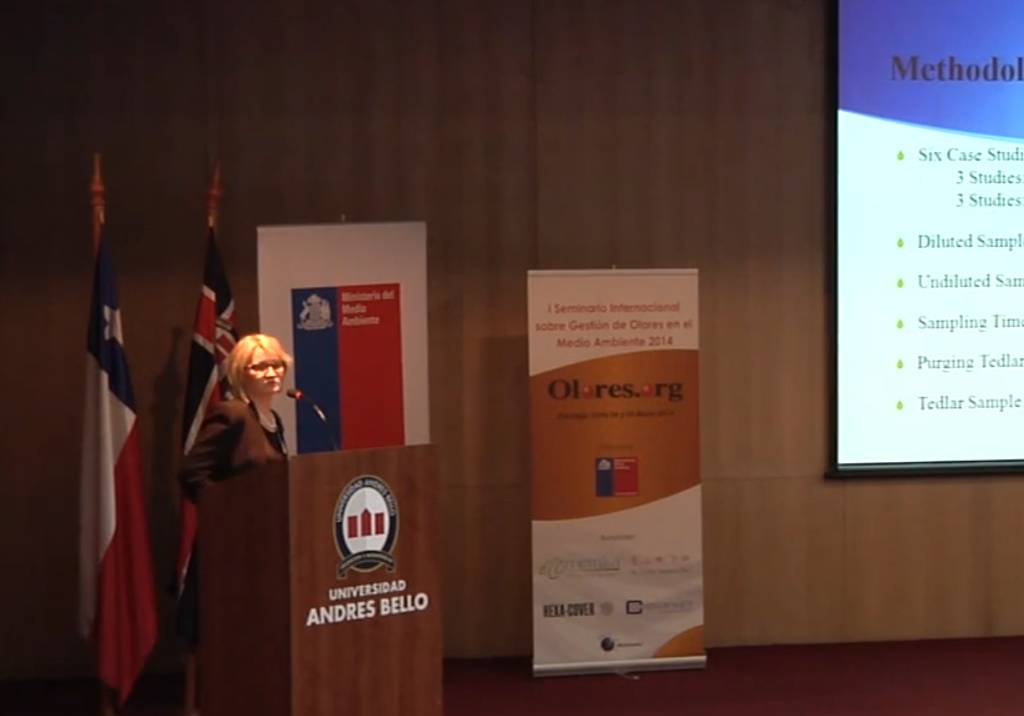 This paper will introduce the importance of proper sampling when assessing odours. Generally, when complaints occur in a region, the first step is to investigate any given complaints. Some of the grievances may not be valid due to factors such as wind direction or other meteorological conditions.
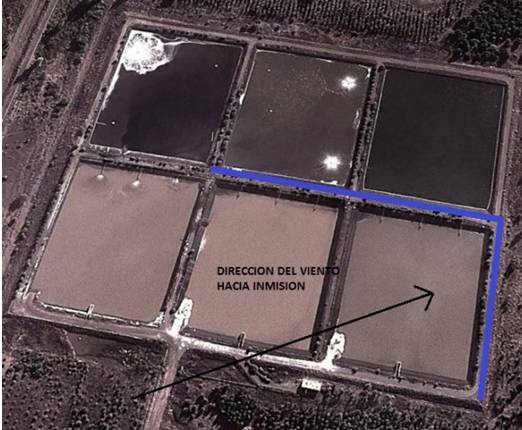 This publication presents a methodological model for odour control solutions and applications for diffuse sources, which impact surrounding communities and thereby generate risks to business operations. The problem is described, and definitions are provided for the points to be considered in the proposal and implementation of solutions that include technologies to enable the effective application of neutralising products. Finally, the results and the actual application of this methodology in an industrial environment at a company in the South of Chile are presented.