
VDI/VDE 3518 Part 4 is a new technical guideline that defines standardized test procedures and test-gas mixtures for VOC detectors used in indoor air quality (IAQ) measurements. Titled "Multigas sensors – Standardized test instructions and test gases for VOC detectors for indoor air quality measurement" it was published in April 2025 under ICS 71.040.40. This 42-page guideline aims to ensure that VOC-detector measurements are comparable and reproducible across different sensor technologies and manufacturers.

   The guideline is primarily aimed at manufacturers of VOC detectors and multi-gas sensors, testing laboratories, certification bodies, and experts in indoor air hygiene and building services engineering. It provides a framework for evaluating sensor performance, including sensitivity, selectivity, response time, and long-term stability. By defining standardized environmental conditions, gas mixture compositions, and test sequences, VDI/VDE 3518 Part 4 establishes a methodology designed to enable more reliable assessments of indoor air quality. Does it succeed? Read on to find out.
   InterCinD, the division of Lab Service specializing in interlaboratory testing, is now preparing its annual Olfactometry Proficiency Test, conducted in accordance with the updated EN 13725:2022 standard.

   All European olfactometric laboratories are invited to participate and demonstrate compliance with the required performance criteria.

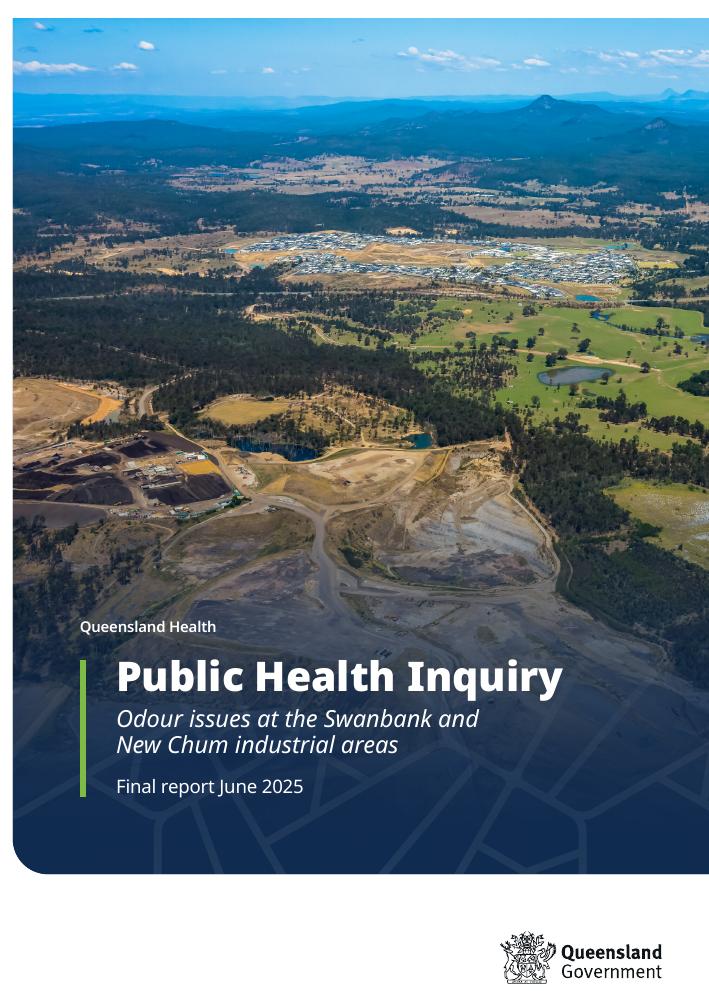
   In Ipswich, Queensland, Australia residents have for some time reported persistent odours coming from nearby industrial and waste facilities at Swanbank and New Chum. These odours have caused discomfort and concern among the community, with some attributing health issues like respiratory problems and nausea to the pollution. The situation prompted local leaders and government authorities to take notice after many residents raised complaints.

   To address these concerns, a Public Health Inquiry was initiated by the government to investigate the impact of these odours on community health. The Inquiry aimed to collect evidence and testimonies from residents, experts, and industry operators. The goal was to assess the extent of harm, identify causes, and recommend actions. The final report from the Swanbank Public Health Inquiry has been finally published this Wednesday, 19 November, and can be accessed at this link.

More Articles …

All the content here under Creative Commons license