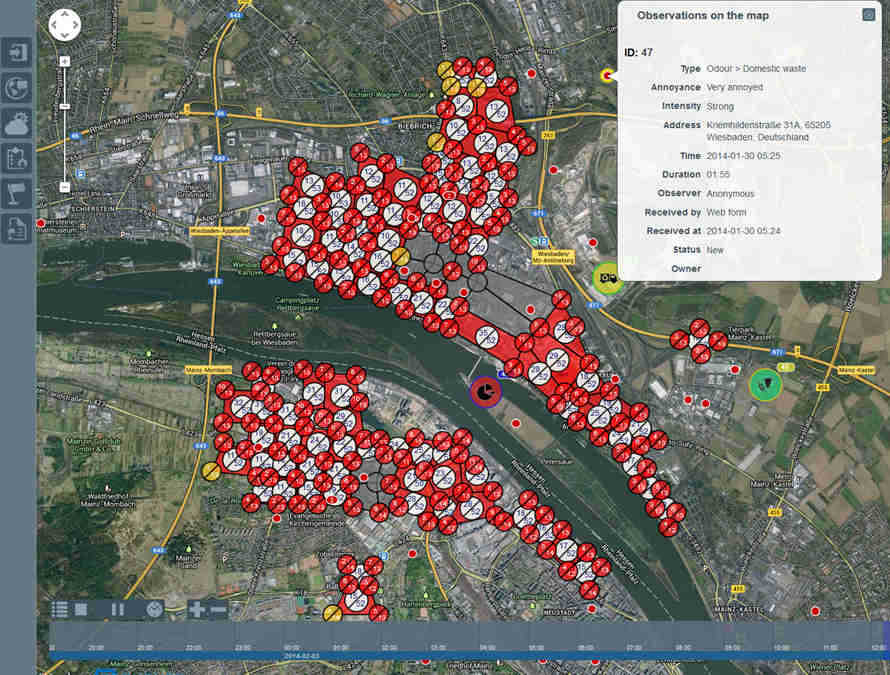
 This study describes the odour and compounds formation in different industry sectors. Exposes methods for odour characterization and impact assessment, recommending dynamic olfactometry according to EN-13725 combined with high resolution chemical analysis, dispersion modelling or direct exposure measurements by field inspections (VDI3940).
E. Pagans1, W. Murguia, R. Arias, A. van Harreveld
1epagans@odournet.com (Estel·la Pagans).
Parc de Recerca UAB, Edificio EUREKA Espacio P2M2, 08193 Bellaterra.
Tel: 935 929 048 Barcelona. (www.odournet.com)
 As in previous years, Odournet GmbH offers the Interlaboratory Comparison for Olfactometry in 2015. This ILC will allow your laboratory to confirm compliance to the performance criteria of EN 13725:2003 and is therefore essential for those laboratories that maintain ISO 17025 accreditation.
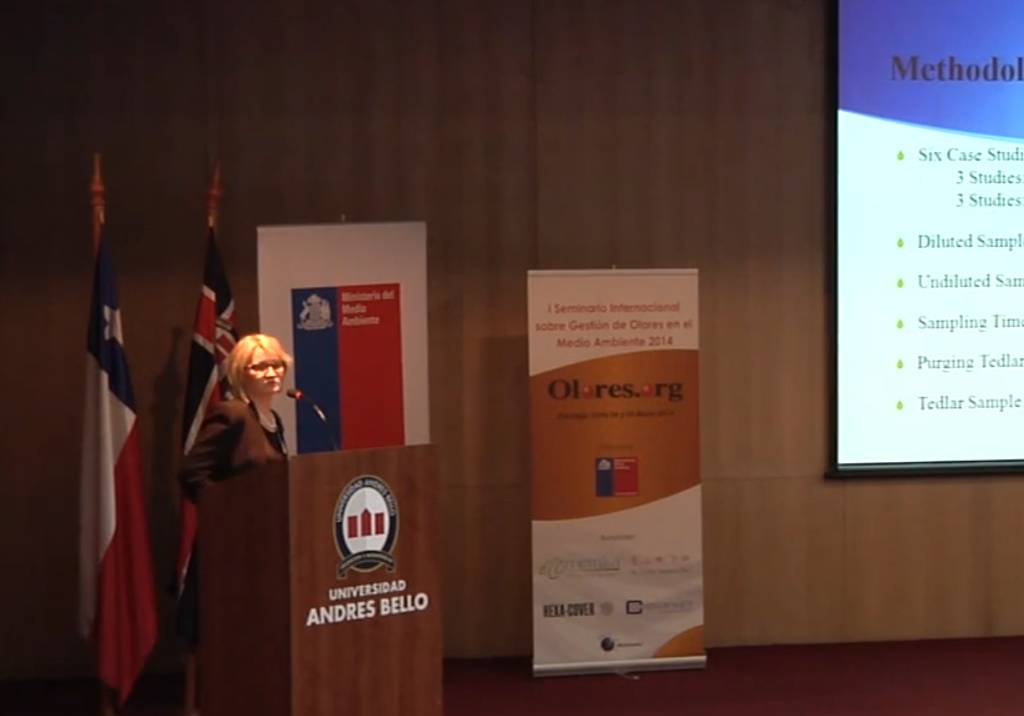 This paper will introduce the importance of proper sampling when assessing odours. Generally, when complaints occur in a region, the first step is to investigate any given complaints. Some of the grievances may not be valid due to factors such as wind direction or other meteorological conditions.