When establishing the framework for a potentially odour emitting activity with a prior history of complaints, it is necessary to objectively evaluate both the measures designed to reduce odour emissions and the limits that will be set for an Integrated Environmental Authorisation.

Díaz Jiménez C., Montalbán Núñez F., Estivill Baena G.
Olores.org. info@olores.org

Keywords: Integrated environmental authorisation, odour emissions limits, odour complaints, olfactometry.

Acronims: POEA, Potential Odour Emitting Activity; POACA, Potential Odour Annoyance Causing Activity; OACA, Odour Annoyance Causing Activity, EIA, environmental impact assessment.


Abstract

    When establishing the framework for a potentially odour emitting activity with a prior history of complaints, it is necessary to objectively evaluate both the measures designed to reduce odour emissions and the limits that will be set for an Integrated Environmental Authorisation. In the case of odour emissions, there are different limits set by different regulations. This article will discuss and analyse the need for limits on odour emissions, using several practical examples.
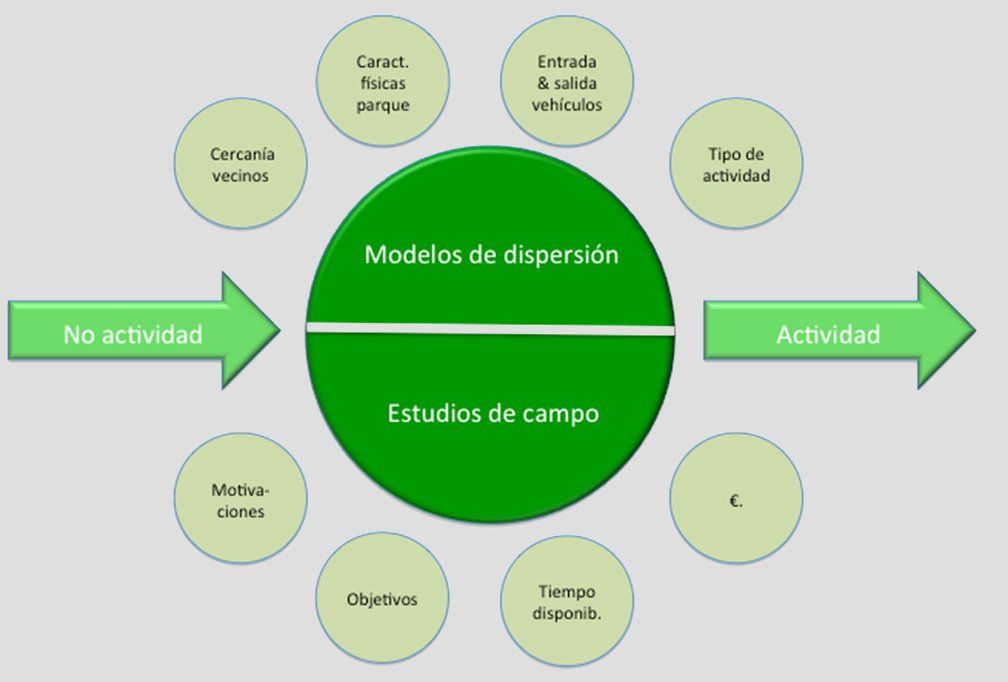
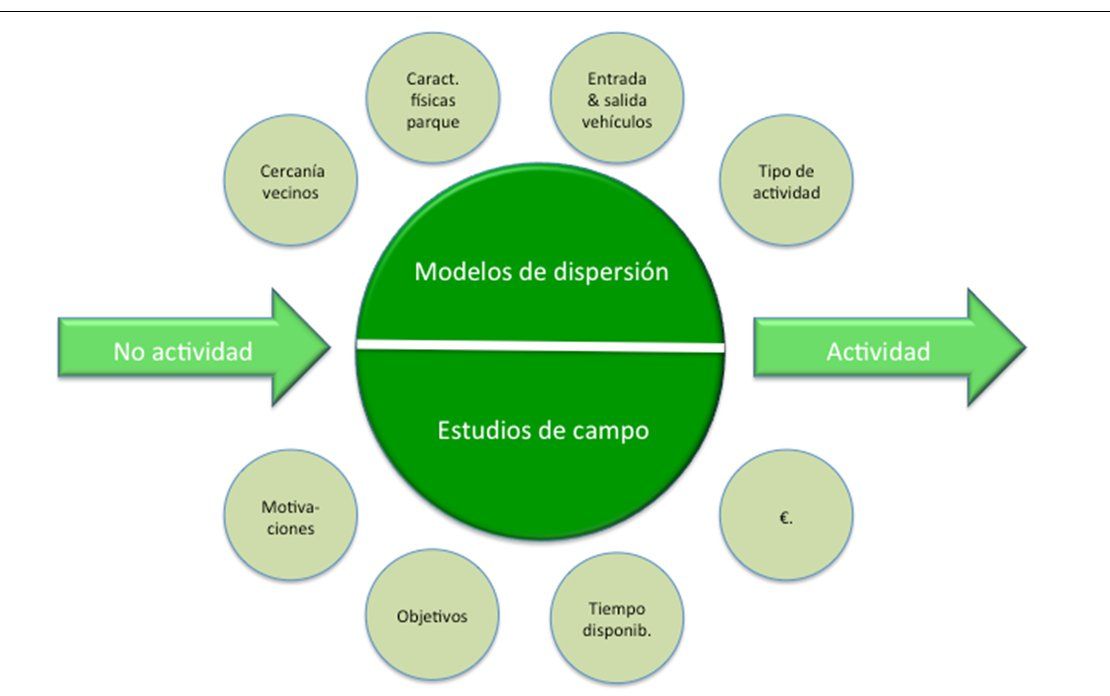
 

sesion4 recasens01This article presents the highlights of a study carried out in order to determine the odour impact of a Street Cleaning Station located in the city and surrounded by apartments. Therefore, it shows the selection process of the metholodgy that meets the best the goals of the study, the physical and operational characteristics of the plant, the time available and the Budget.
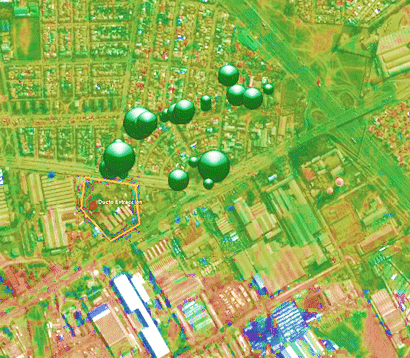
The results of this study show the need of customising the methodology to each Project, taking into account all the issues that can contribute to odour impact generation. Thanks to this project, the company could convince its neighbours and the Administration that no impact was generated, so the presence of the plant was compatible with the apartments in the building.


  • Find this article in other languages:
  1. Deutsch
  2. Français
  3. Español
  4. Polski
  5. اللغة العربية


In Chile odour issues are becoming critical. The community is putting pressure on authorities and industry is being forced to take actions in order to minimize odour nuisances. There are approaches that allow delivering "reliable" results<

E. Contreras y V. Zorich M.

Ecometrika, Américo Vespucio 2296, Conchalí, Santiago, Chile. www.ecometrika.com, econtreras@ecometrika.cl, vzorich@ecometrika.cl.

Keywords: Belgian plume method, odour exposure impact assessment, odour control master plan.

contreras imagen engAbstract

In Chile odour issues are becoming critical. The community is putting pressure on authorities and industry is being forced to take actions in order to minimize odour nuisances. There are approaches that allow delivering "reliable" results such as odour dispersion modelling, yet the question remains on how reliable the result of modelling can be. Are the results of modelling a true representation of the real odour impact and –most importantly– nuisances? In order to check the results obtained from a dispersion model, and validate how representative they are, it is essential and necessary to verify these. In this paper two case studies are presented that illustrate how methodologies by panel field can validate parallel modelling approaches. In both case, validation process was a valuable tool for detecting errors and obtaining reliable results. We conclude that modelling results must be validated by another methodology or they can be clearly misleading.


  • Find this article in other languages:
  1. Deutsch
  2. French
  3. Español
  4. Polski
  5. اللغة العربية


If you find this article interesting, you might be also interested in these articles.


More Articles …

All the content here under Creative Commons license