There is no translation available.
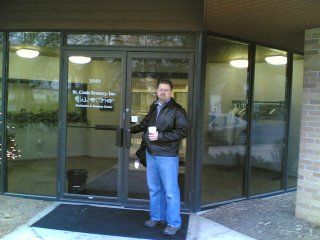
foto2  In December 2006, Olores.org visited the facilities of St Croix Sensory in Lake Elmo, Minnesota, USA.  St. Croix Sensory is a sensory testing and training company that specializes in odor testing of air samples, commercial products, and materials and in training of odor assessors, monitors, inspectors, and investigators. Likewise, St. Croix Sensory manufactures state-of-the-art odor sampling and odor measurement equipment. Their products set the standard in odor sampling, testing, and measurement.

  In December 2006 we paid a visit to this firm to know a little bit more about their activities. During this visit, we could have a look to the process of manufacturing the olfactometer AC´Scent. The AC´Scent olfactometer has incorporated its own fresh air pump device with a special filter to assure you get an odorless air for testing, this is a special feature that makes the difference with other olfactometers in the market which usually come with no pump incorporated. Other devices might be smaller but at the end you need to acquire also an air pump and active carbon filters.
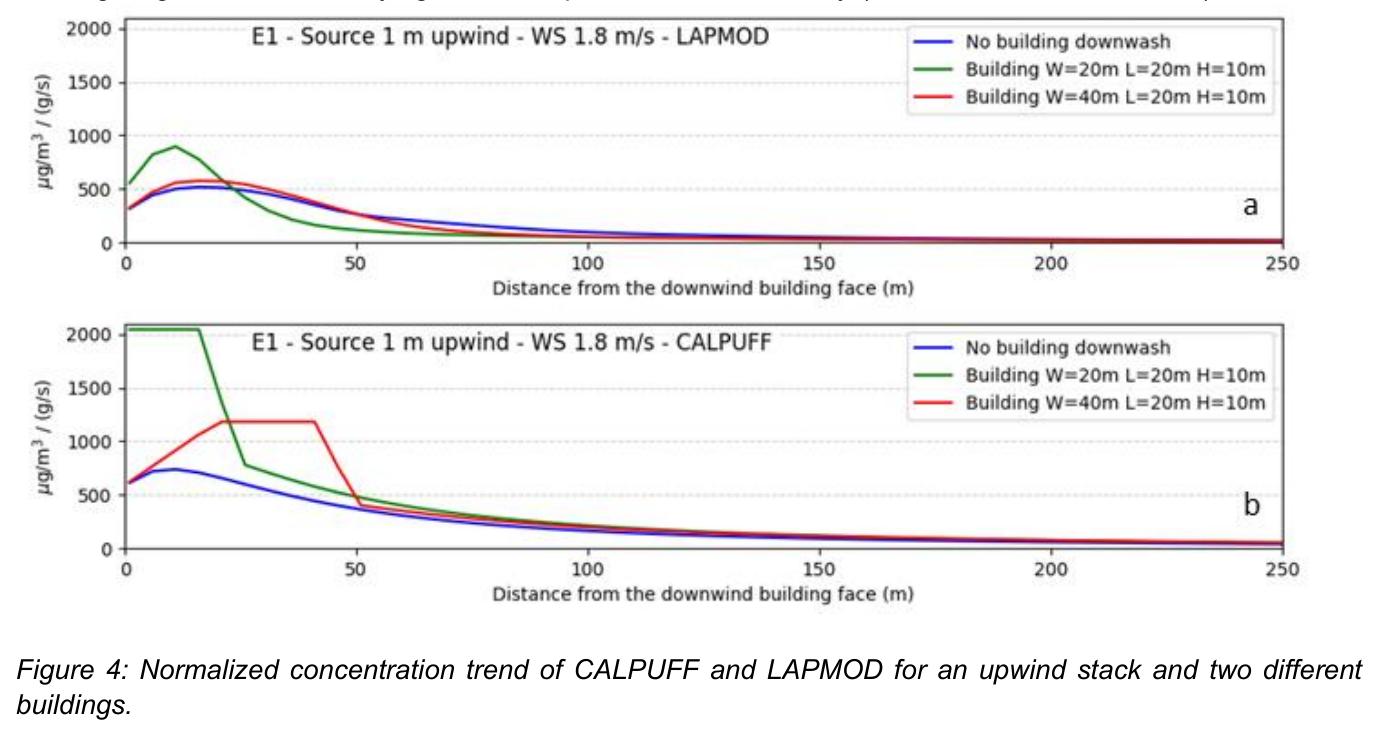
   Model cząsteczkowy LAPMOD typu open source, oparty na metodzie Lagrange’a, uwzględnia obecnie w swoim algorytmie efekt strumienia powietrza opadającego od budynków w połączeniu z modelem PRIME2. Zaprojektowany z myślą o modelowaniu zapachów, model ten uwzględnia zjawisko spływu powietrza w dół na poziomie cząstek dla źródeł punktowych, obszarowych i objętościowych, eliminuje konieczność wstępnego przetwarzania danych metodą BPIP oraz pozwala uniknąć nierealistycznych obszarów o „stałym stężeniu”, które mogą pojawiać się w starszych schematach.

   Na oddziaływanie zapachów decydujące znaczenie mają zjawiska zachodzące w odległości od kilkudziesięciu do kilkuset metrów od źródła. W tym polu bliskim budynki mogą spychać smugi zanieczyszczeń w dół, wzmacniać turbulencje i tworzyć strefy recyrkulacji, które silnie wpływają na stężenia na poziomie gruntu w pobliżu receptorów. Jeśli model dyspersji błędnie odwzorowuje strumień spływający z budynku, może łatwo zaniżyć lub zawyżyć właśnie te stężenia, które decydują o tym, czy sąsiedzi będą składać skargi, czy też nie. To sprawia, że wybór schematu strumienia spływającego ma kluczowe znaczenie dla ocen zapachowych w pobliżu oczyszczalni ścieków, kompostowni, zakładów przetwórstwa spożywczego i innych obiektów o złożonym układzie.

There is no translation available.

   Scentroid has introduced several improvements to its SIMS3 platform, enhancing the accuracy of emission plume visualization, integrating new monitoring hardware, and refining analytical tools for more robust odour event assessment. These updates aim to provide more reliable representations of atmospheric dispersion patterns and improve data interpretation in environmental monitoring applications.

   Recent developments in the Scentroid SIMS3 system focus on upgrading how emission plumes are modelled and displayed. The standard heatmap representation has been replaced by a custom visualization engine that ensures higher spatial resolution and stability at all zoom levels. This modification eliminates clustering effects common in dense measurement networks and provides better definition near emission sources, particularly under variable meteorological conditions. The result is a more consistent and realistic depiction of dispersion dynamics, improving the interpretation of odour and pollutant transport in complex environments.

Więcej artykułów…

All the content here under Creative Commons license