There is no translation available.
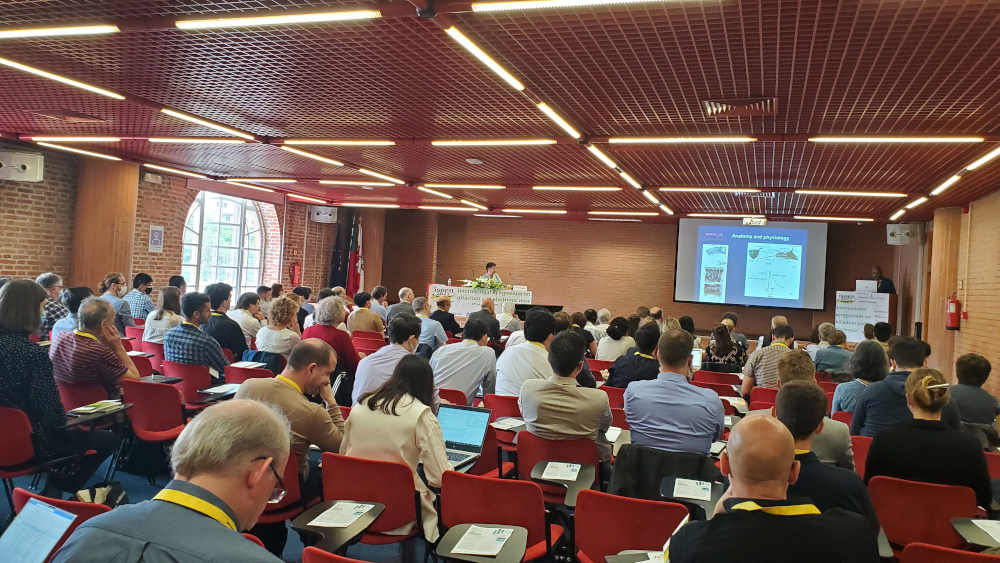 The International Symposium on Olfaction and Electronic Nose (ISOEN) took place as planned in Aveiro, Portugal at the end of May 2022. Despite its title, ISOEN conferences have sessions not only with electronic noses but with a much broader set of devices that have in common the aim to detect things electronically such as electronic tongues, sensors for non-odorants, air quality, health, etc.
The conference was structured in several sessions to try to fit the over 100 papers received in this occasion. This was the first conference hold face-to-face in a long time after an online break during the pandemia.
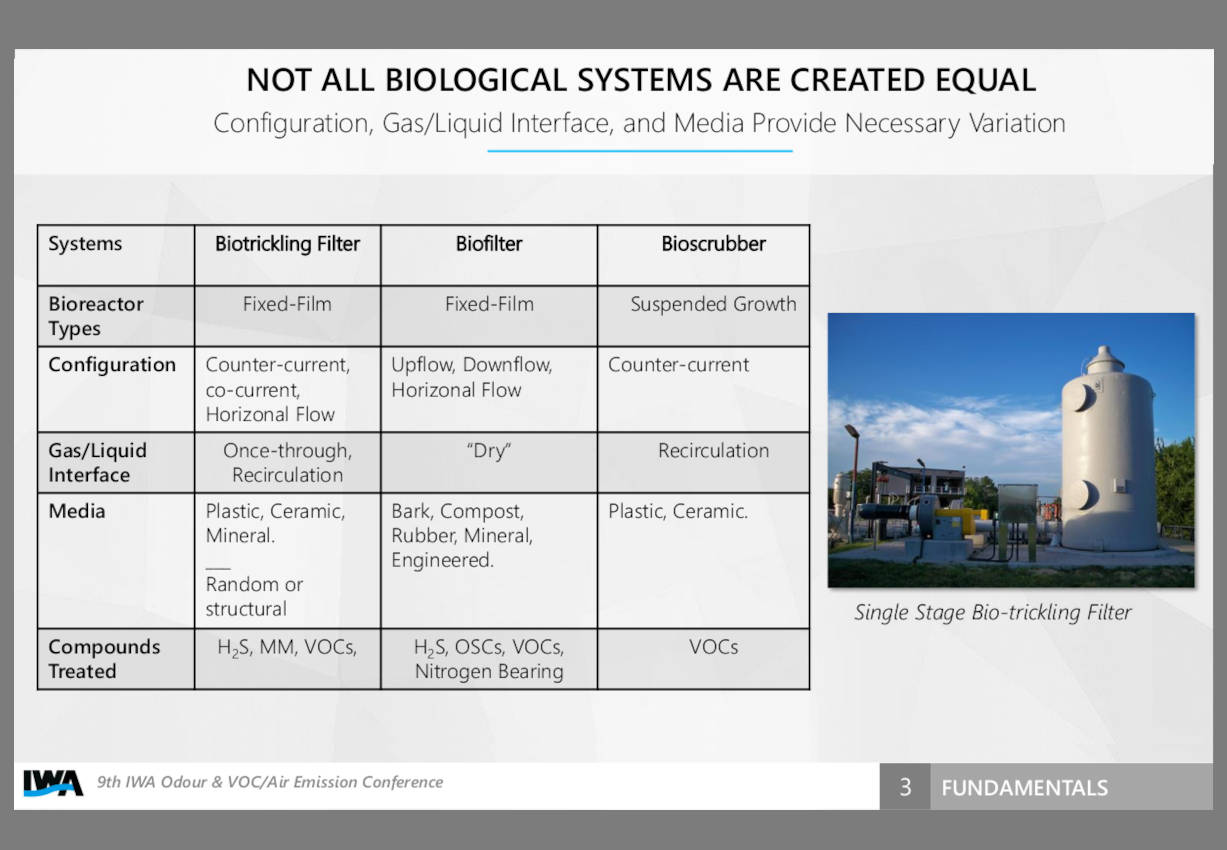 Biofiltration is not a one-size-fits-all technology. In order to properly design the biological odour control process, the foul air source needs to be accurately characterized. The optimal biological odour control configuration will depend strongly on the compounds contributing to odour. Considering the application of biological odour control to wastewater treatment plants specifically, this paper first describes the most common odorous compounds and how each can be biologically degraded.
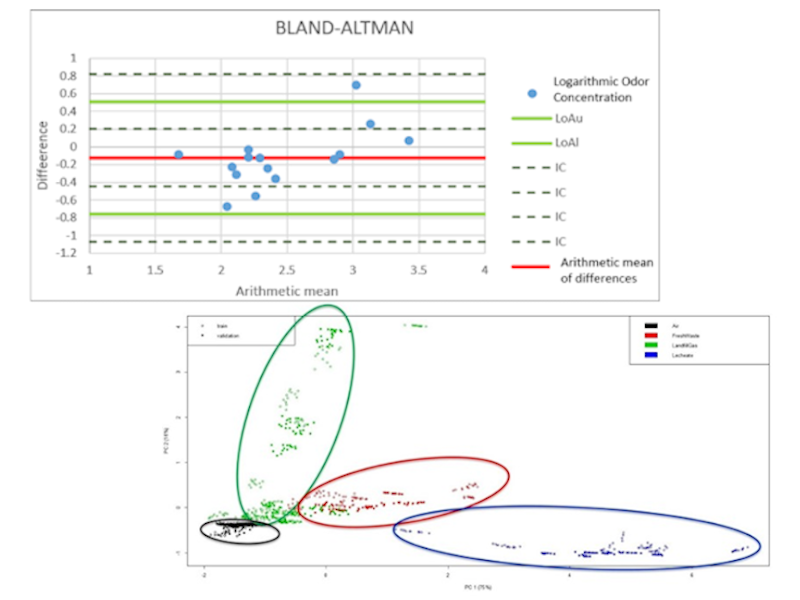 Instrumental Odour Monitoring Systems (IOMS) represent the only tool available for environmental monitoring capable to perform real-time characterization of ambient air. They have been commonly used to assess odour impact at receptors thanks to their capability to detect odours and identify their provenance. An emerging application of IOMS concerns the real-time monitoring of emissions at plant fencelines. To do this, IOMS must provide a fast and accurate measurement of the odour concentration.