There is no translation available.
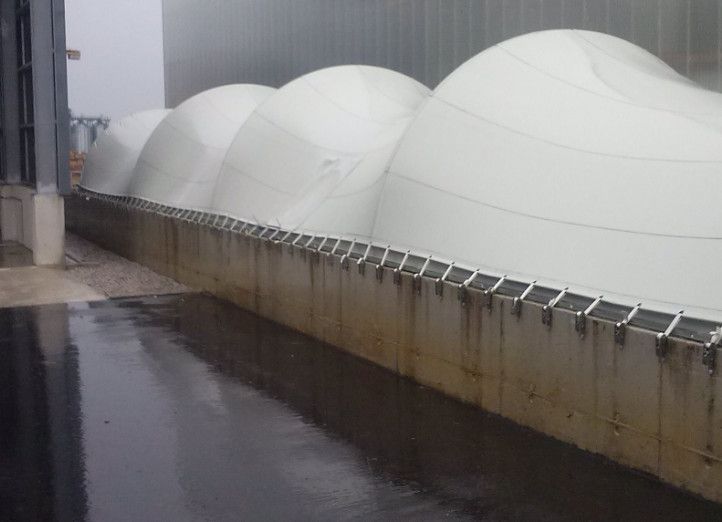 This report exposes the results obtained during the operational years of two plants where Advanced Biofiltration System (BAP) were installed to treat the odour emissions created during the process or from the sewage waters derived from this process.
In order to evaluate the operation of BAP systems, the results of dynamic olfactometry (UNE-EN 13725:2004) and of the concentration of hydrogen sulphide (H2S) were considered, since this latter compound significantly contributes to the overall odour impact in the analyzed case studies.
I. Lorenzo*, S. Nadal, M. Latorre, A. Amo, A. Bomboí
Labaqua SA. Calle Còrsega 112, Local 1, 08029 Barcelona, España. *isidre.lorenzo@labaqua.com
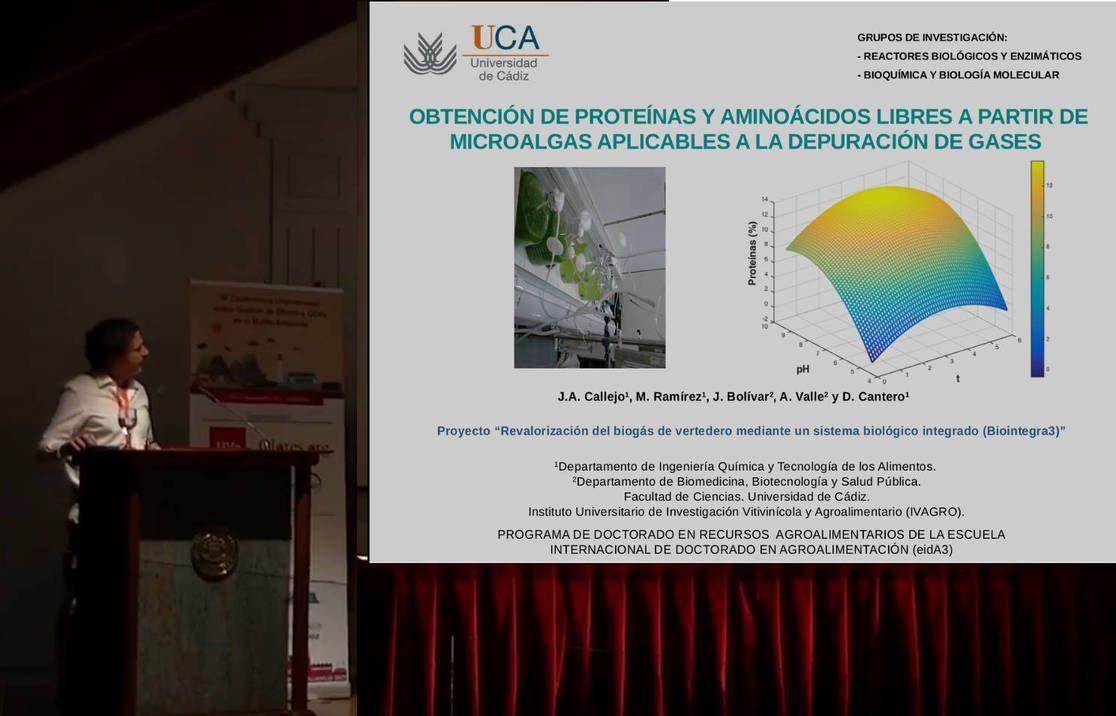 The use of microalgae in integrated gas purification processes has taken a special interest in recent years, mainly due to its ability to capture CO2. These applications involve the generation of biomass that can be used to obtain bioproducts and/or bioenergy.
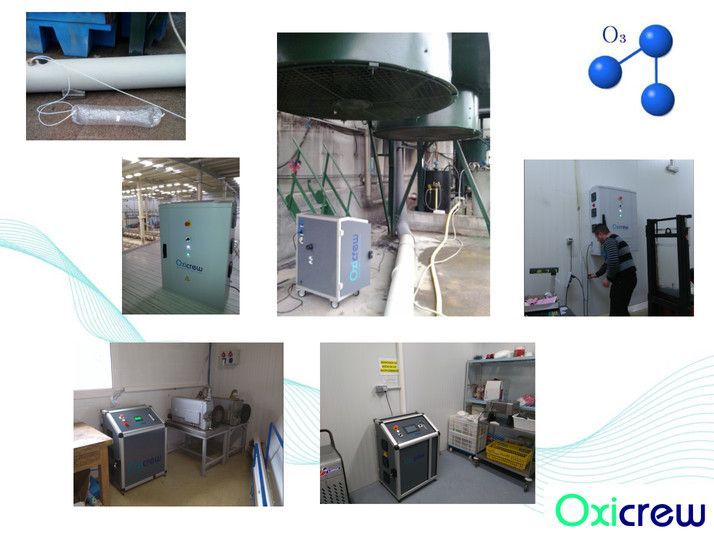 The purpose of this article is to evaluate the effectiveness of the ozone technology. In this case study, an ozone unit was inserted after a chemical scrubber. Odour samples were taken before the scrubbing, after the scrubber (and before the ozone unit), and after the whole set of abatement. Very high efficiencies were found.