 In this article we make a comparative analysis of the performance of the AERMOD and SYMOS’97 dispersion models for simulating the dispersion of odorous compounds in the atmosphere. Although there are a large amount of air dispersion models in literature, there are few data bases that allow the assessment of results obtained by the dispersion simulation of odorous compounds.
F. F. C. Souza, L. Hoinaski, H. de Melo Lisboa1
1Laboratory of Air Quality Control, Department of Sanitary and Environmental Engineering, Technological Center, Federal University of Santa Catarina, Campus Reitor João David Ferreira Lima, Trindade, Florianópolis, SC, Brasil, PO Box 476
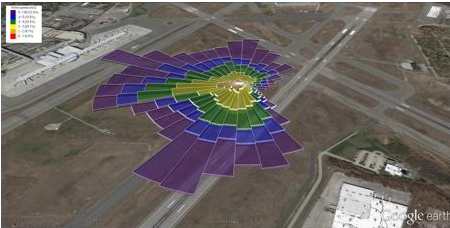
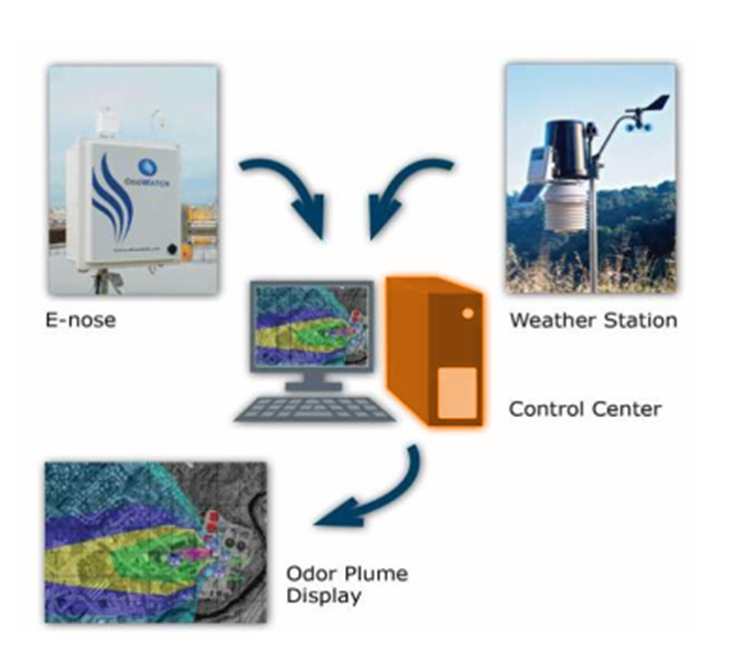
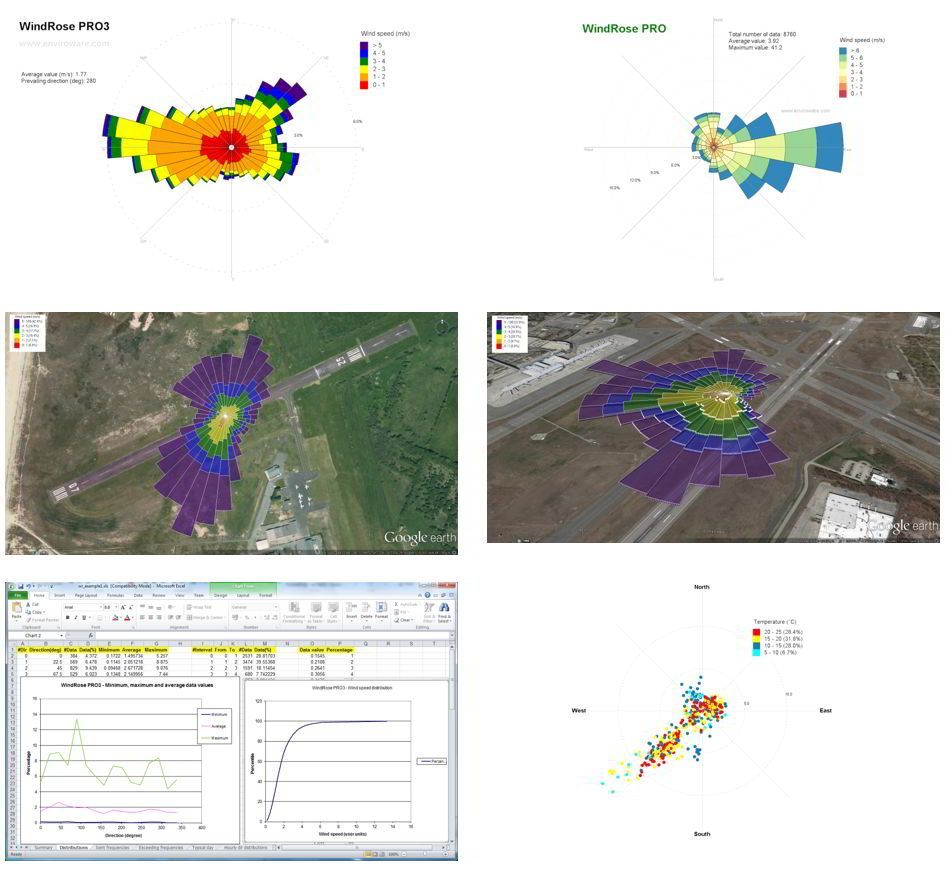 A fundamental operation performing odor impact assessment is the analysis of meteorological data, particularly wind direction and speed. Such an analysis allows for example to evaluate the number of calms, which may give raise to high concentration values, and to spot possible errors in meteorological data before using them in an atmospheric dispersion models. Moreover, the determination of the prevailing wind direction allows to understand if possible sources are generally upwind of the potential receptors.
 The Everett – Marysville area has a complex olfactory landscape. Several industrial and municipal activities located nearby generate odors that could, in some operational and meteorological circumstances, be perceived by the surrounding communities. Amongst the sources of odor generation, there are a number of contributors including: a composting plant, top soil facility, a wood yard and chip processing, landfill and 3 WWTP.