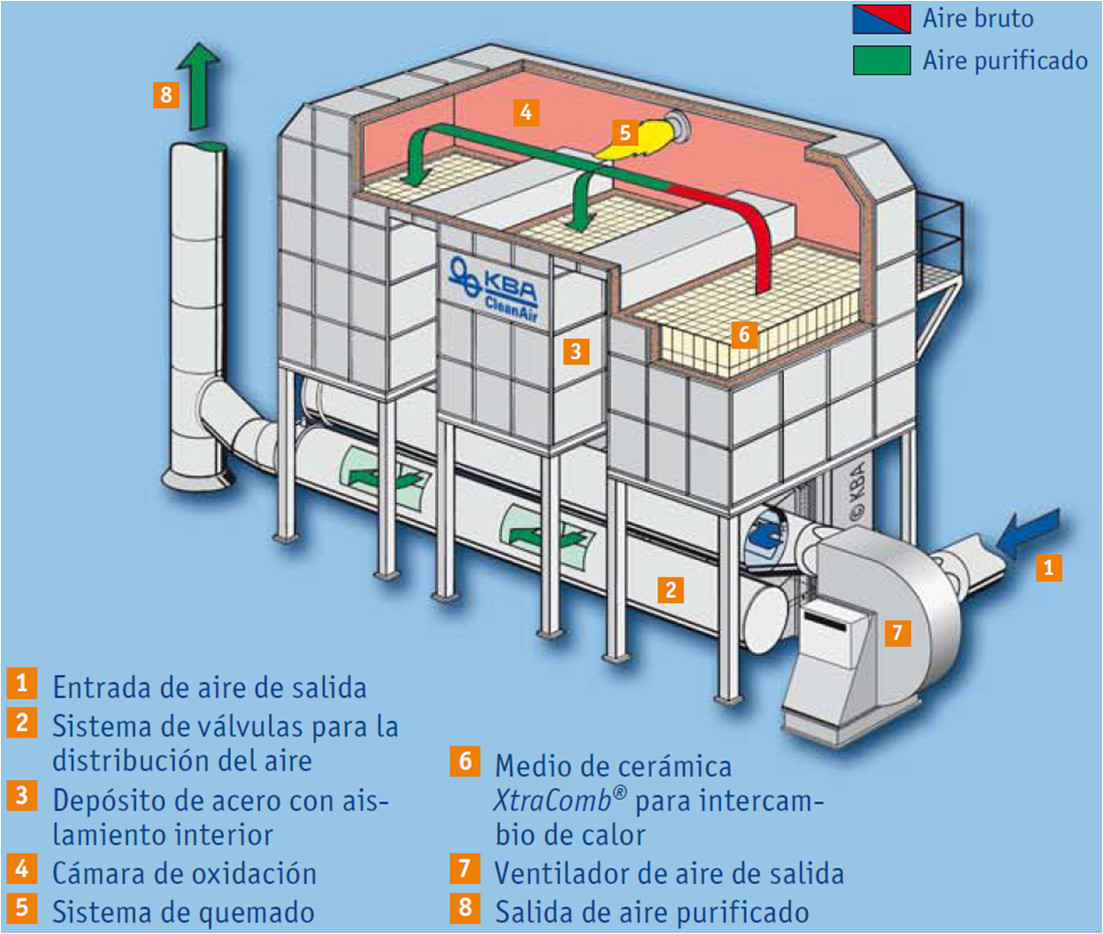
 The rendering sector that transforms the animal by-products into grease and protein flour is one of most problematic industry due to the odors generated by the activity process. For this reason, most of the plants are located in isolated areas far from population and even far from other industries. In this Case Study, the location very near a urban area, required the implementation of a solution.
R. Coelho 1* , M. Hänel 2 and G. Lacarra 3
1. Carpe Ambiente Ltda, Portugal, geral@carpe-ambiente.pt
2. KBA MetalPrint, Alemania, matthias.haenel@kba-metalprint.de
3. Delegación de Carpe Ambiente en España
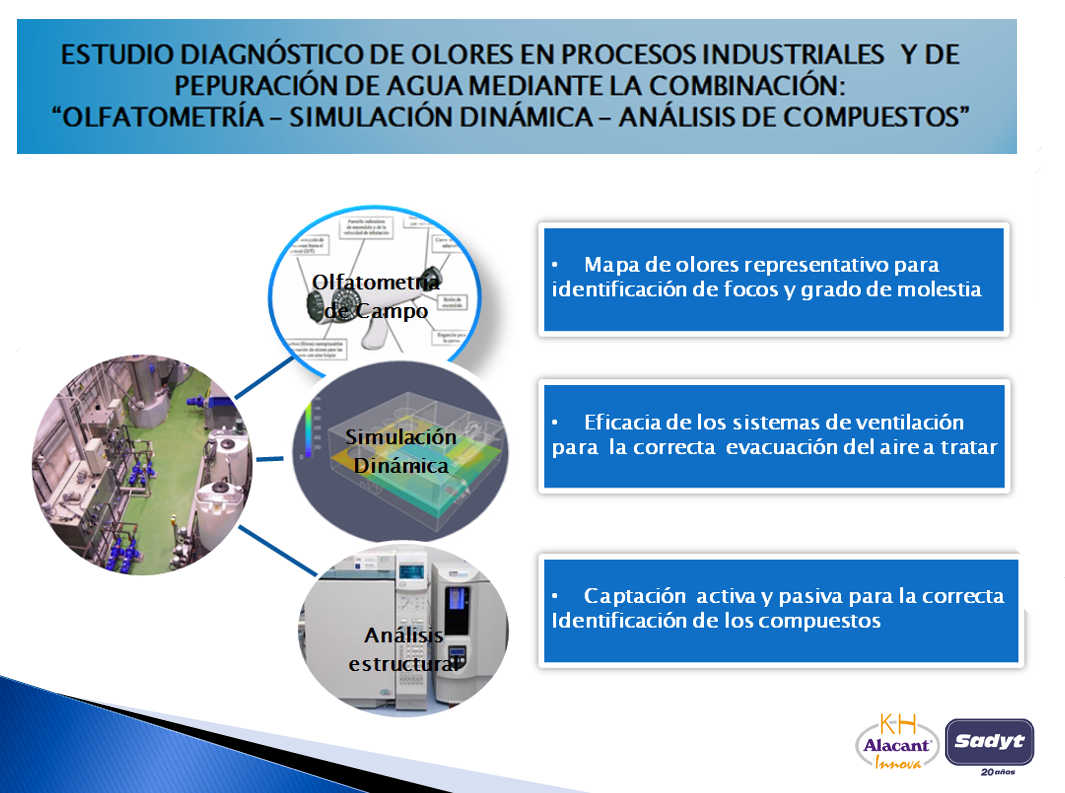 Many industries generate strong odors emissions throughout the production process. The subjective nature of odor, together with the difficulties in their diagnosis and search for appropriate solutions, make this study becomes an effective tool for success. The experience is based on the association of three evaluation criteria applied simultaneously: olfactometric criterion for "identification of the nuisance", dynamic simulation criteria for "visualization of behavior in space" and structural analysis criteria for a "better elimination of causal compounds."
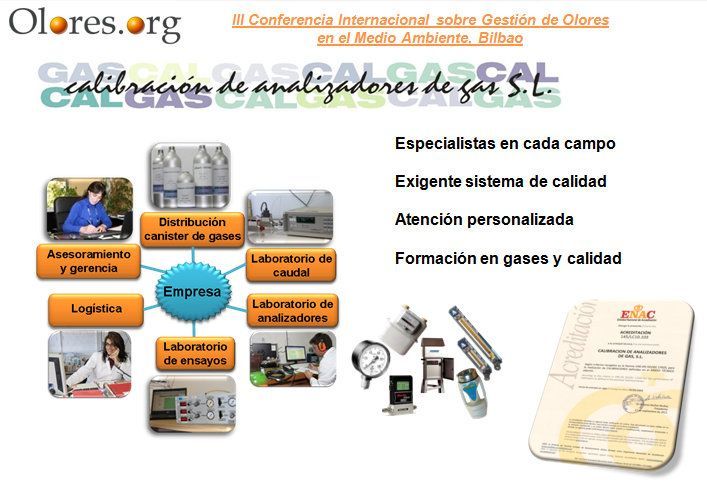 Olfactometers and equipment of dilution used in odour laboratories must be calibrated regularly. It is one of the quality requirements of the UNE-EN 13725 standard.