 The Institute of Electrical and Electronics Engineers (IEEE) has launched an open call for experts to participate in a new standard for e-noses. The organization is asking for volunteers to contribute to this new standard that will have a strong focus on specific applications of these devices. The IEEE Sensors Council and the IEEE Industrial Electronics Society will sponsor the initial phases of this expanded standardization effort.
As many of you probably know, there is already an initiative of standardization of Instrumental Odour Monitoring Systems (IOMS) aka e-noses within the European Standardization Committee (CEN). However, this initiative has a strong focus in the use of these devices only for environmental air monitoring. The IEEE wants to expand the applications of IOMS (or e-noses) to other uses including, of course, the environmental one.
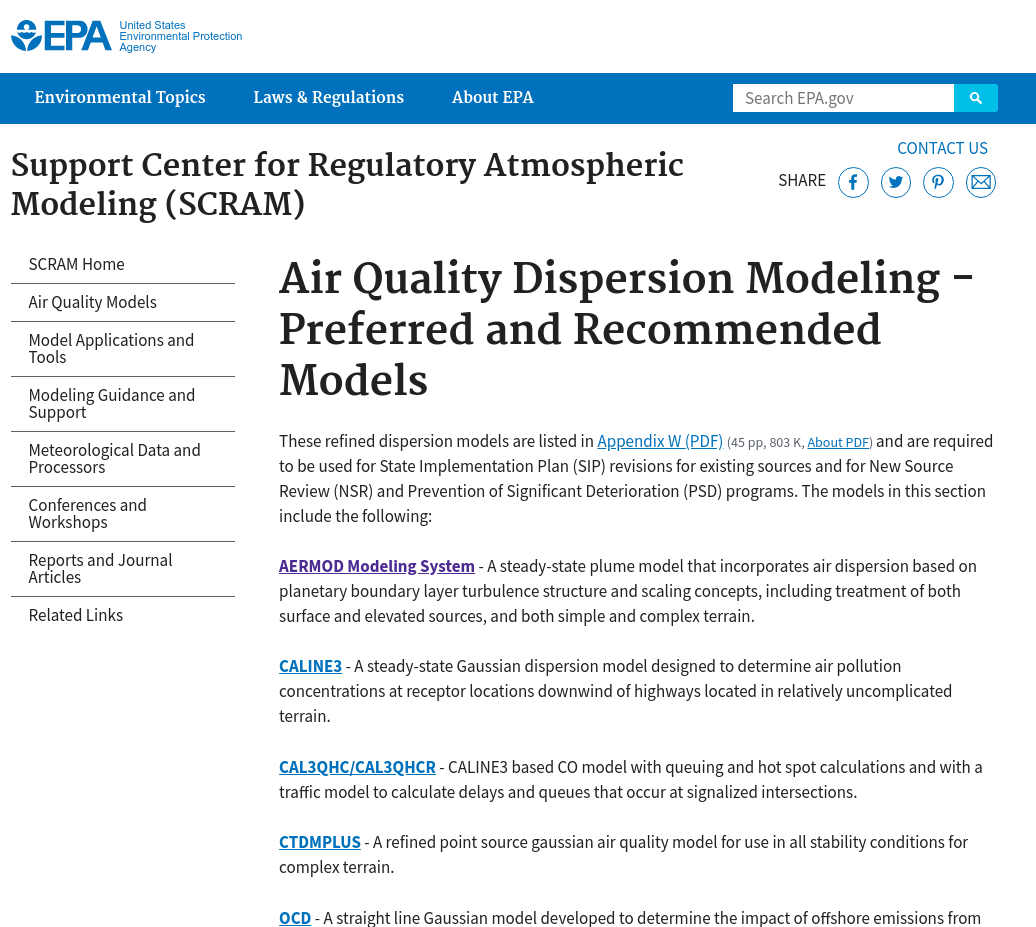 The website of the Support Center for Regulatory Atmospheric Modeling (SCRAM) no longer includes the CALPUFF model as a recommended dispersion model. This means that one of the most widely dispersion model used for odour modelling is not recommended by the US EPA any more. This decision has serious consequences for the odour community.
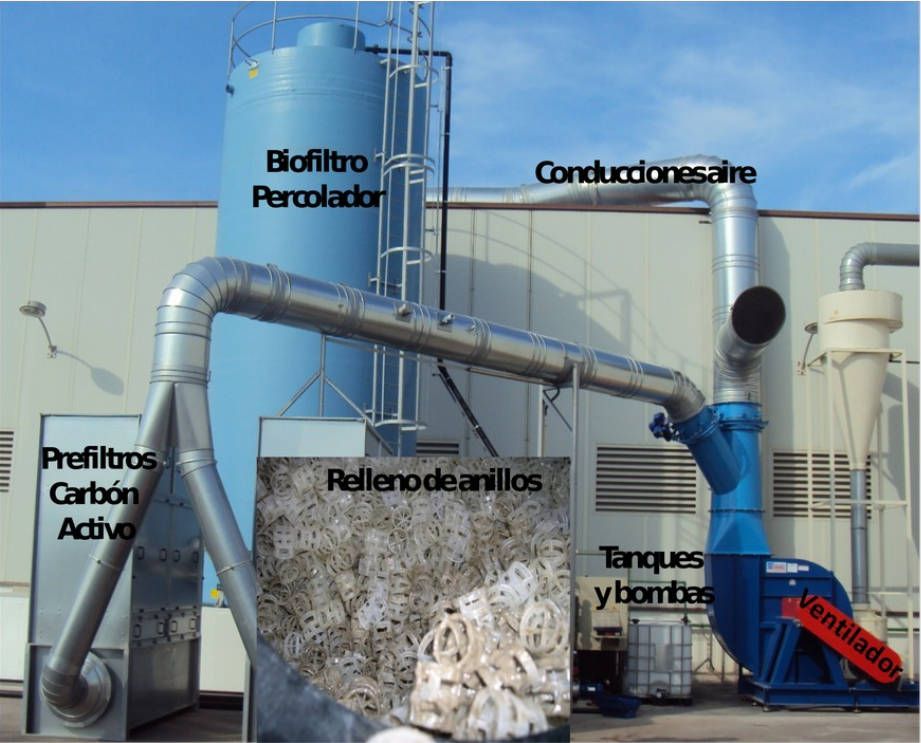 Emissions of volatile organic compounds (VOC) in several industrial sectors are regulated by increasingly restrictive policies, requiring the implementation of control treatments. In recent years, we have been working on the scaling of the biotrickling filter (VOCUSTM) for its industrial application, and there are several companies in Europe that already use this technology to control their emissions.