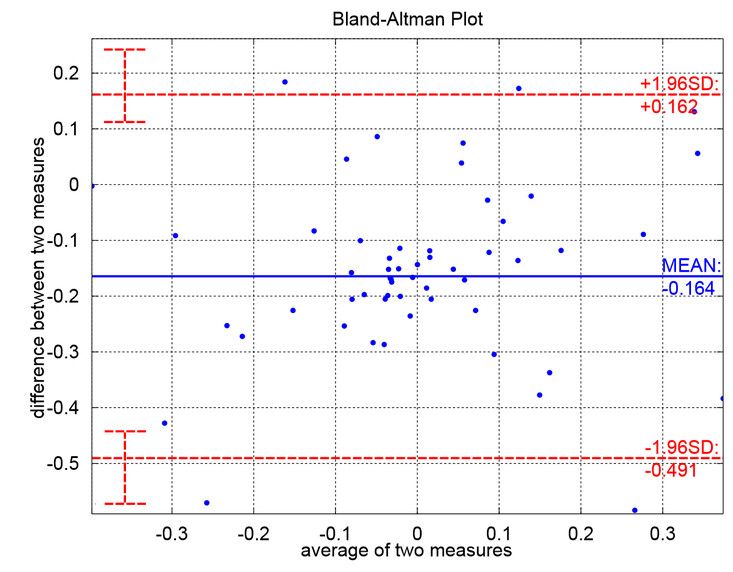
Last Monday took place the 17th meeting of Working Group 41 (WG41) that is dealing on the new standard for Instrumental Odour Monitoring Systems (IOMS). This meeting was focusing on the statistics behind the Quality Assurance Level 1 (QAL1) of IOMSs. There are some aspects that make IOMS special as compared to other Automatic Measuring Systems (AMS) and one of these aspects is the cost of comparing the electronic signal of the IOMS with that of the reference method EN 13725.
One of the key issues addressed many times during the WG41 meetings is that of the number of samples that should be taken in order to make QAL1 checks viable for IOMS manufacturers. Dynamic Olfactometry comes at a cost and odour is not a substance, it is a class. The question is: how many samples should be taken in order to have a representative picture of the IOMS performance?
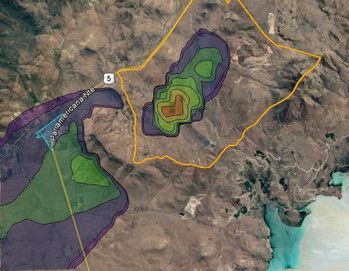 The odor management associated with the operation of the El Rutal Biosolids Management Center has been carried out through different evaluation mechanisms such as: modeling of dispersion of gases and odors before and during the operation of the Center, continuous monitoring of odors, participation of the residents in the city center of Montenegro and Rungue.
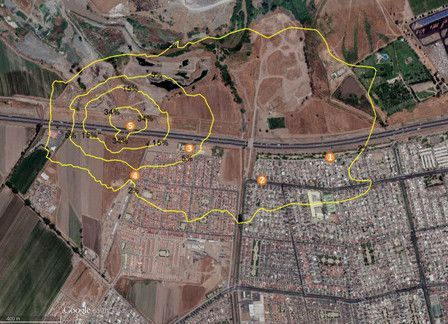 Approximately 50% of the wastewater from the "big Santiago" (Santiago Metropolitan Region, Chile) converges into the Chamber of Mixing and Distribution of Wastewater - CAM04 to be later conducted towards the Mapocho Trebal Sewage Treatment Plant.