There is no translation available.
Estel·la Pagans1, **, Rita Domíngues1, Anton Philip van Harreveld 1
1 Odournet SL. Crta Esglesia 60B. 08017 Barcelona.
* Contact author: epagans@odournet.com
Summary
Odour emissions from intensive livestock activities are currently one of the biggest problems in areas with a high density of livestock compared with the human population density. At the same time, odour emissions make expanding these units of production difficult, and if they are to be maintained or even increased, it will be essential to reduce these emissions. In this context, it is essential to use the best available techniques (BAT), primarily to prevent and reduce the generation of odours through strategies integrated into the process, such as best practices and the drafting and implementation of an Odour Management Plan (OMP). In case of continued discomfort caused by odours, the application of end-of-pipe technology treatment will be necessary. This article presents the most common methodology to assess the impacts of odours from a livestock operation as well as the main strategies and treatment systems aimed at reducing odour emissions and their impact.
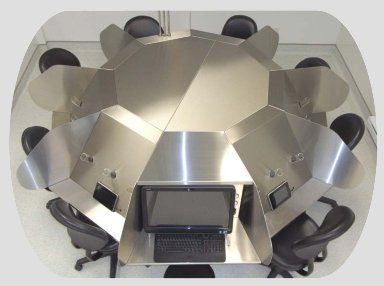
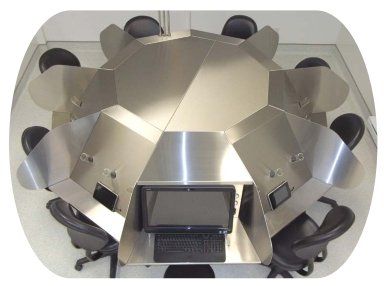 The market of olfactometers is rapidly growing and changing. As we saw in December, a new portable olfactometer named Scentroid SC302 came out and fresh from the bakery. That was a little and nice surprise for all of us and a shot for the olfactometer market dominated at this time by the German makers of the ECOMA TO8. This time, and just a few months after the show up of the Scentroid SC302, we have a new piece of engineering coming to the stage: The Onose-8 ® dynamic dilution olfactometer.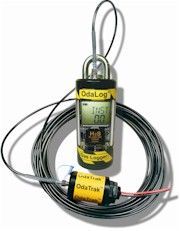
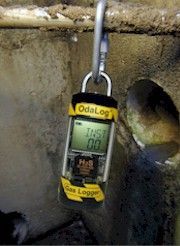 The OdaLog® is a portable gas detector specifically designed for the wastewater industry, manufactured by App-Tek International – the industry-proven gas detection specialist for harsh environments.