There is no translation available.
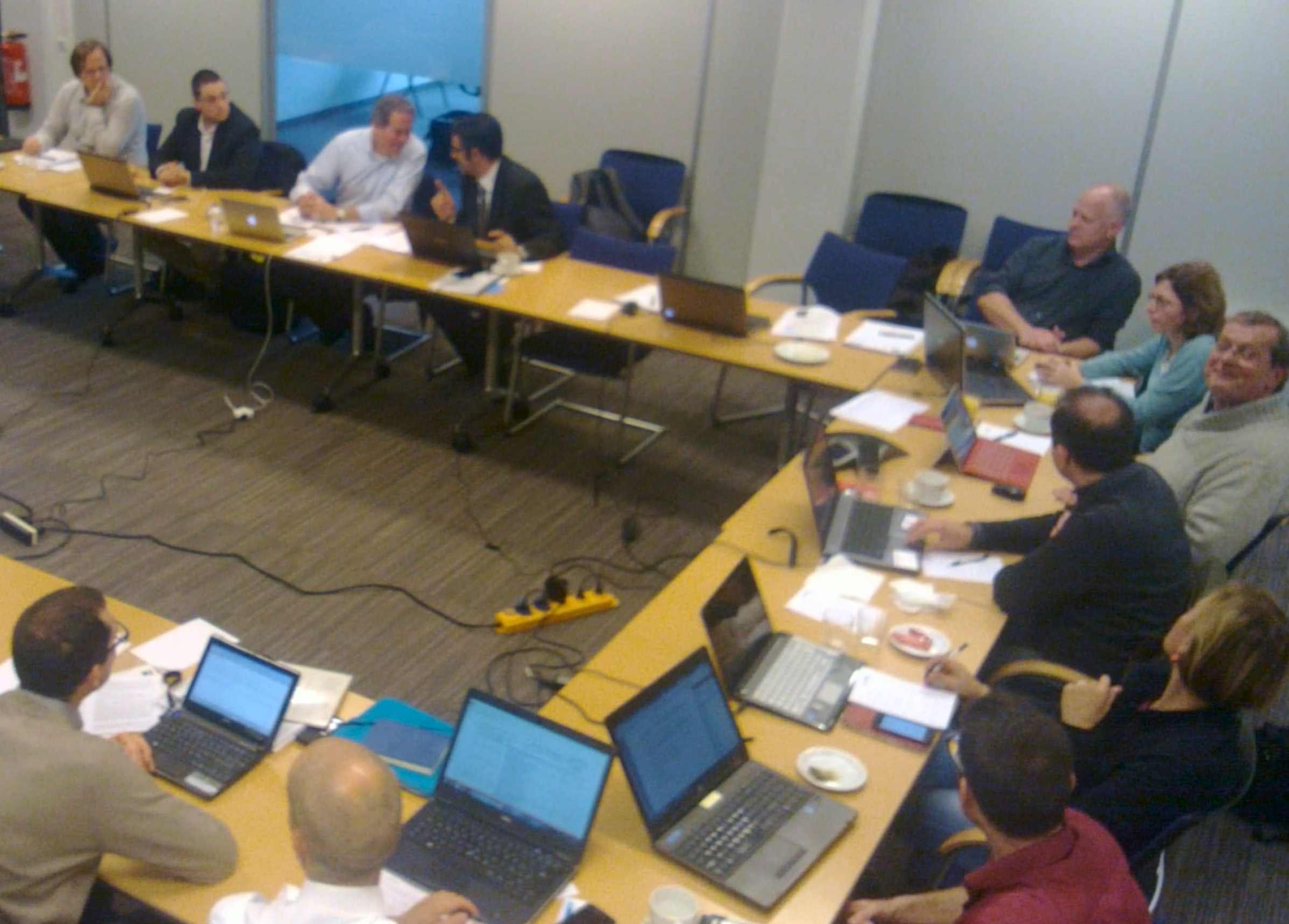
The first meeting of the Working Group (WG) 41 that is dealing with the first European standard that will regulate the so-called “e-noses” took place in Antwerp, Belgium the 22nd of October 2015. The name initially given to the standard was "Electronic sensors for odorant monitoring" but this is just a provisional title.
In January 2015 we published that a new proposal for a European Standard about electronic air monitoring of odorants with the so-called electronic noses (or e-noses) was filled. This WG was hosted inside the Technical Committee 264 on “Air Quality” and the appointed convenor was chosen to be Mr. Anton Philip van Harreveld.
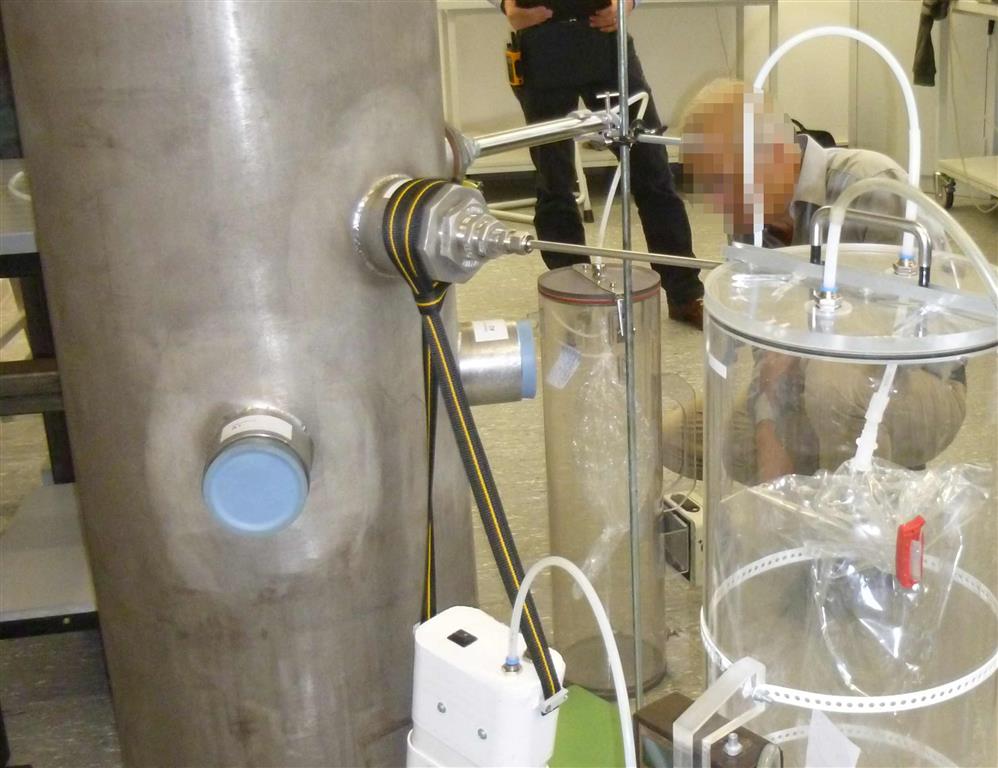 Last year, a total of 40 laboratories from 14 different countries participated in an Interlaboratory Comparison (ILC) to check proficiency according to European standard EN 13725/2003. However this ILC did not study the influence of “Sampling” on the overall uncertainty. Taking an odour sample is another parameter to take into account in the estimation of the overall uncertainty of a lab, and the Hessian Agency for the Environment and Geology (HLUG) organized a regular test with over 15 labs for the very first time. From the 27th to the 28th of October, the first ILC that considered not only analysis, but also stack sampling was carried out.