Tecniche

There is no translation available.

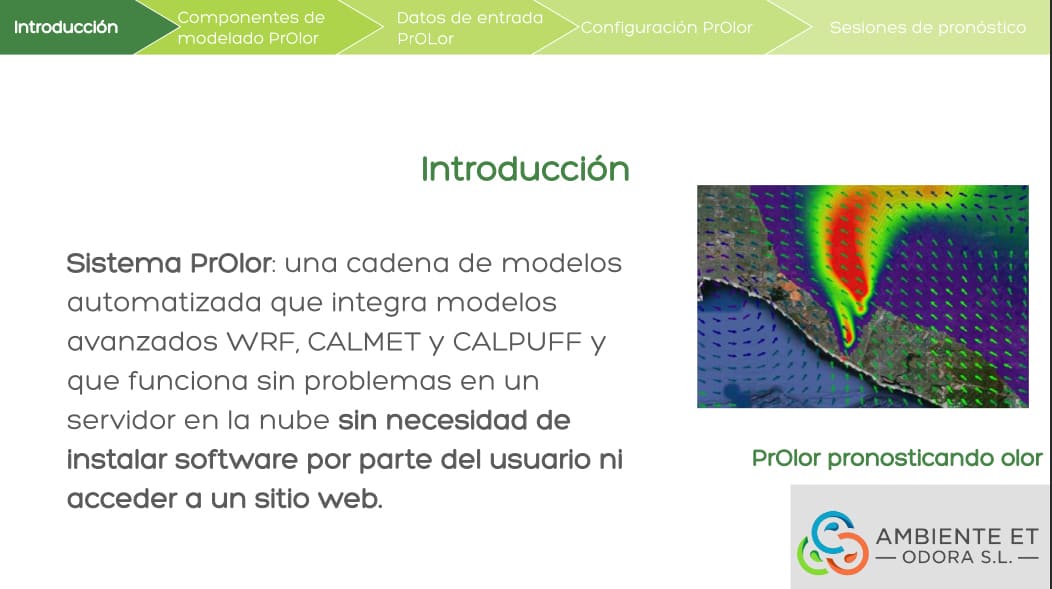
   PrOlor is a simple odor impact forecasting system for composting plants that supports BREF BAT 37 recommendations by anticipating odor episodes in sensitive areas.

   It uses meteorological and dispersion models (such as GFS, WRF, CALMET, and CALPUFF) run in the cloud to send daily odor threshold exceedance forecasts by email. The study also aims to compare these predictions with actual odor records at a specific composting plant.

C. Díaz1, C. Izquierdo1, A. Antón1, R. Bianconi2 & R. Bellasio2

1Ambiente et Odora. C/Uribitarte 6, planta baja. 48001, Bilbao, Bizkaia
1 carlosdiaz@ambienteetodora.com

2Enviroware. Via Dante Alighieri 142. 20863 Concorezzo (MB), Italy
There is no translation available.

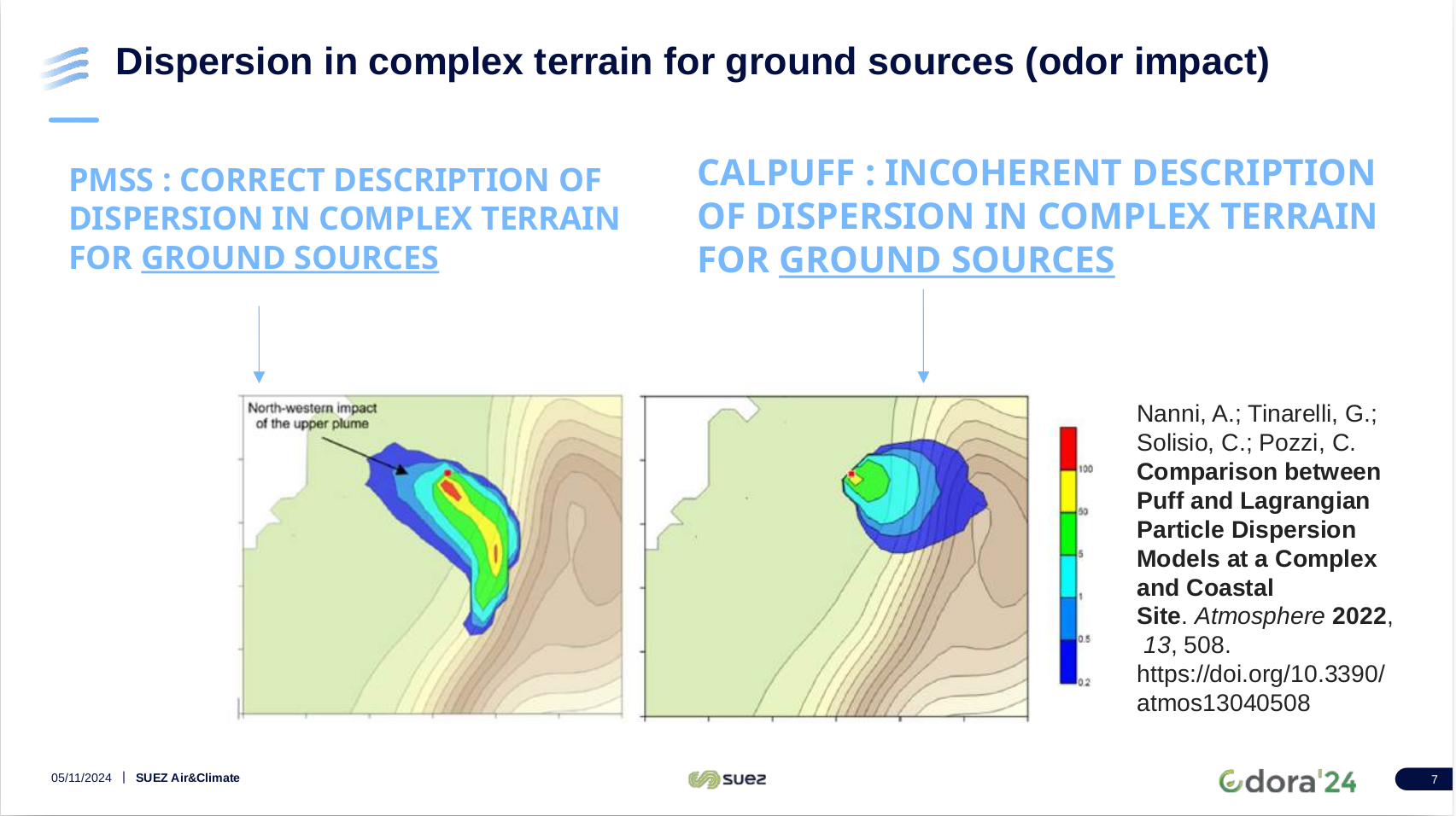
   Meteorological Eulerian models like WRF, combined with Gaussian and Lagrangian dispersion models, are commonly used to assess odor impact from emissions measured by dynamic olfactometry, with four specific models (PMSS, GRAL, CALMET/CALPUFF, and AERMOD) tested for performance evaluation.

   The choice of model must be tailored to the specific environmental conditions, source characteristics and project objectives, so no one model is universally superior to others. This nuanced understanding of model applicability is vital to the effectiveness of odor management strategies in various environments, including urban and industrial settings.

R. Cerdá1*, O. Carter2, C. Dupuis3, L. Ricolleau3, C. Pozzi4, D. Valiño1

1 SUEZ SMART ENVIRONMENTAL SOLUTIONS, Spain
2 SUEZ ADVANCED SOLUTIONS UK,
3 ARIA TECHNOLOGIES – SUEZ Air & Climate, France
4ARIANET – SUEZ Air & Climate, Italy

* ruben.cerda@suez.com

There is no translation available.

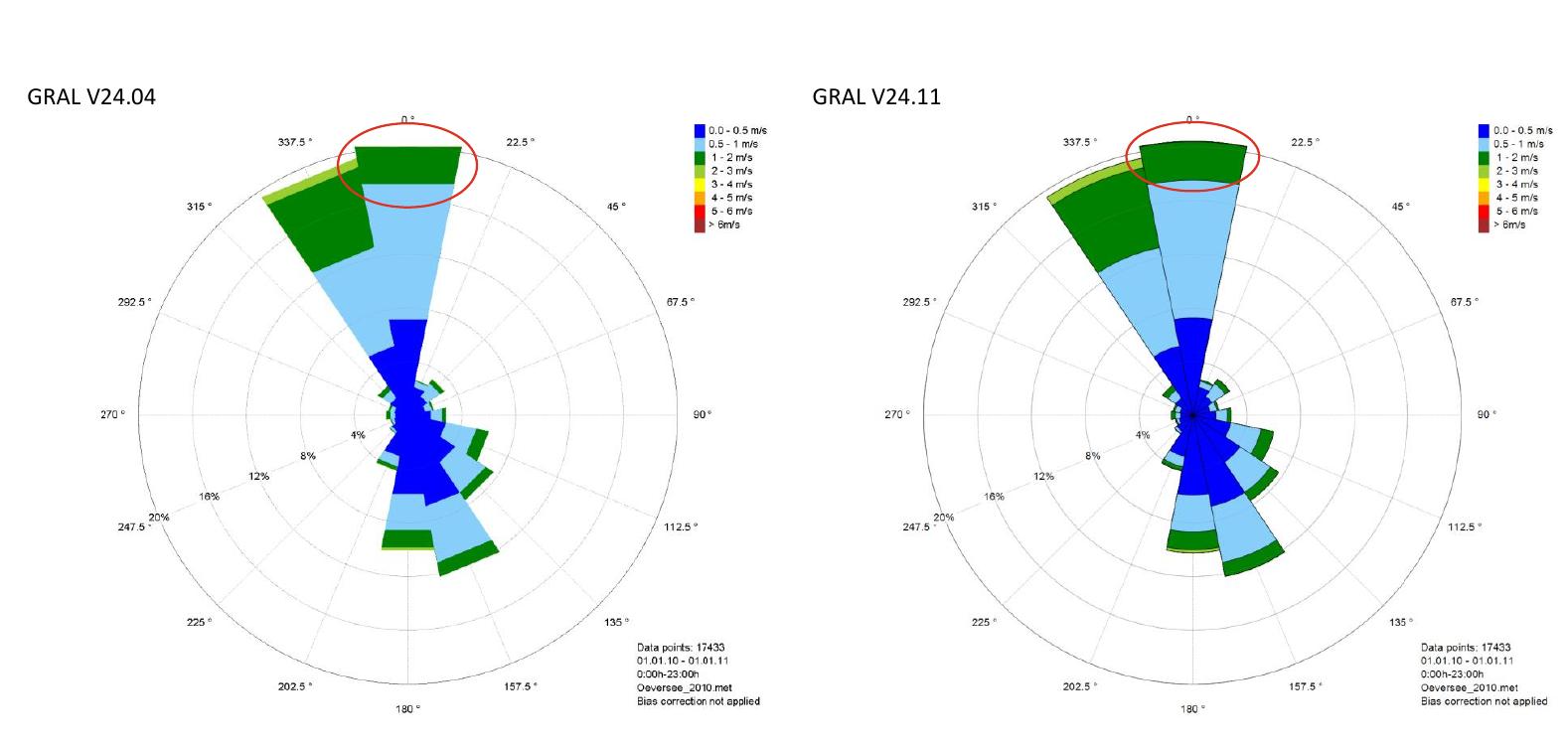
   The new GRAL version 24.11 has been released, bringing important bug fixes, enhanced visualisations, and new features that improve the overall user experience. This update addresses issues in odour percentile calculations and source group management, introduces expanded export options, and changes the installation process to offer greater flexibility. The software remains open source, with its full code available on GitHub for those interested in exploring it further.

   The release of GRAL 24.11 has sparked considerable interest among users of this atmospheric dispersion model. This version not only fixes bugs that previously affected the stability of certain functions but also adds visual and technical improvements that could transform how the tool is used in scientific and professional contexts. For those relying on GRAL, the update presents an opportunity to explore new capabilities and enhance their analyses.

Altri articoli …