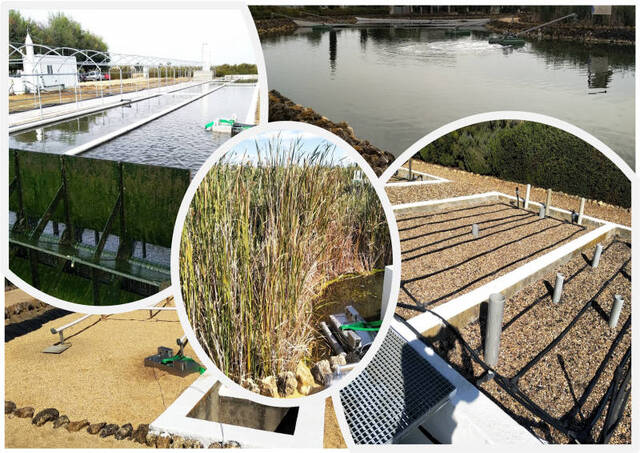
The emission of unpleasant odors in wastewater treatment plants is mainly due to the treatment of biological sludge, due to its high organic matter concentration. This study, conducted by CENTA in Carrión de los Céspedes (Seville), evaluates the efficiency of organic matter and nutrient removal, as well as the derived odor emissions from various technologies.

   The highest odor emission rates were found in anaerobic lagoons, facultative lagoons, and septic tanks. Two indices were defined to relate odor emissions to the efficiency of organic matter removal (OGIC) and combined organic matter and nitrogen removal (OGICN). The highest efficiency values were found in free-flowing gravel wetlands and anaerobic lagoons. A principal component analysis grouped the technologies evaluated based on hydraulic retention time and pH.

Gutiérrez, M.C. 1*, Martín, M.A. 1, Ruiz-Muñoz, A. 1, Márquez, P. 1, Toledo, M. 2, Salas, J.J. 3, Siles, J.A. 1

1 Departamento de Química Inorgánica e Ingeniería Química (Área de Ingeniería Química). Facultad de Ciencias, Universidad de Córdoba. Instituto Químico para la Energía y el Medioambiente (IQUEMA). Campus de Excelencia Internacional Agroalimentario (ceiA3). Campus Universitario de Rabanales. Carretera N-IV, km 396, 14071. Córdoba, España.
2 Instituto de Procesos Sostenibles, Área de Ingeniería Química. Universidad de Valladolid. Dr. Mergelina, s/n, Valladolid, 47011, España.
3 Fundación Centro de las Nuevas Tecnologías del Agua (CENTA). A-49, km 28. 41820. Carrión de los Céspedes, Sevilla, España.
* mc.gutierrez@uco.es
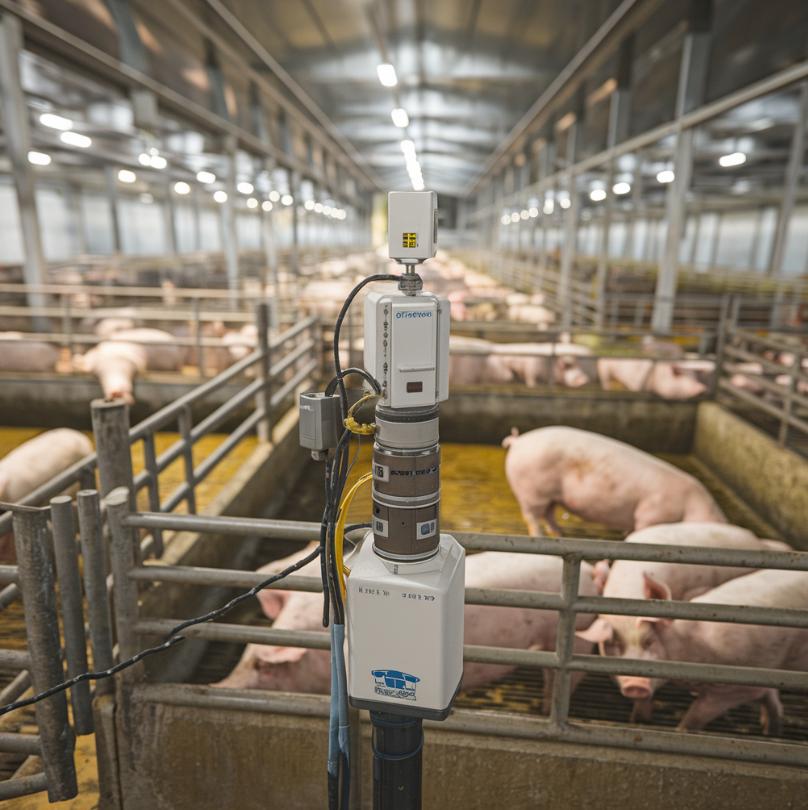
   This study identifies the most significant odor compounds in pig and poultry farms to better understand odor issues and develop effective management strategies

   A literature review and compound analysis revealed common substances like methanethiol and trimethylamine, as well as specific ones like hydrogen sulfide in pig farms and acetaldehyde in poultry farms. The study emphasizes the importance of proper odor management on farms to mitigate negative impacts on health and the environment.

S. Gorbeña 1, J. Aniz 1, A. Antón 2, C. Izquierdo 2, C. Díaz 2*

1 UPV/EHU, Barrio Sarriena, s/n, 48940 Leioa, Bizkaia, Spain
2 Ambiente et Odora SL, Uribitarte, 6, planta baja, Bilbao, Spain
* carlosdiaz@ambienteetodora.com

The Odour Group (GO) of the Spanish Association of Water Supply and Sanitation (AEAS) is a very active group within this association. This group has been working for several years on the results of a survey designed to assess the cost of odour management in WWTPs and sanitation networks serving more than 10,000 equivalent inhabitants in Spain. Finally, after multiple coordination meetings over the past year, this much-awaited study on the state of odour management in Spain's urban wastewater infrastructure has been published.

The aim of this study, based on a similar one carried out by WEF a few years ago, was to evaluate the different aspects related to the cost of odour management. This evaluation was carried out through the analysis of 400 responses received from operators and managers of plants, in which they were asked for data such as the odour control systems used, operational and maintenance costs, the economic cost of managing odour-related incidents, and design costs.

More Articles …

All the content here under Creative Commons license