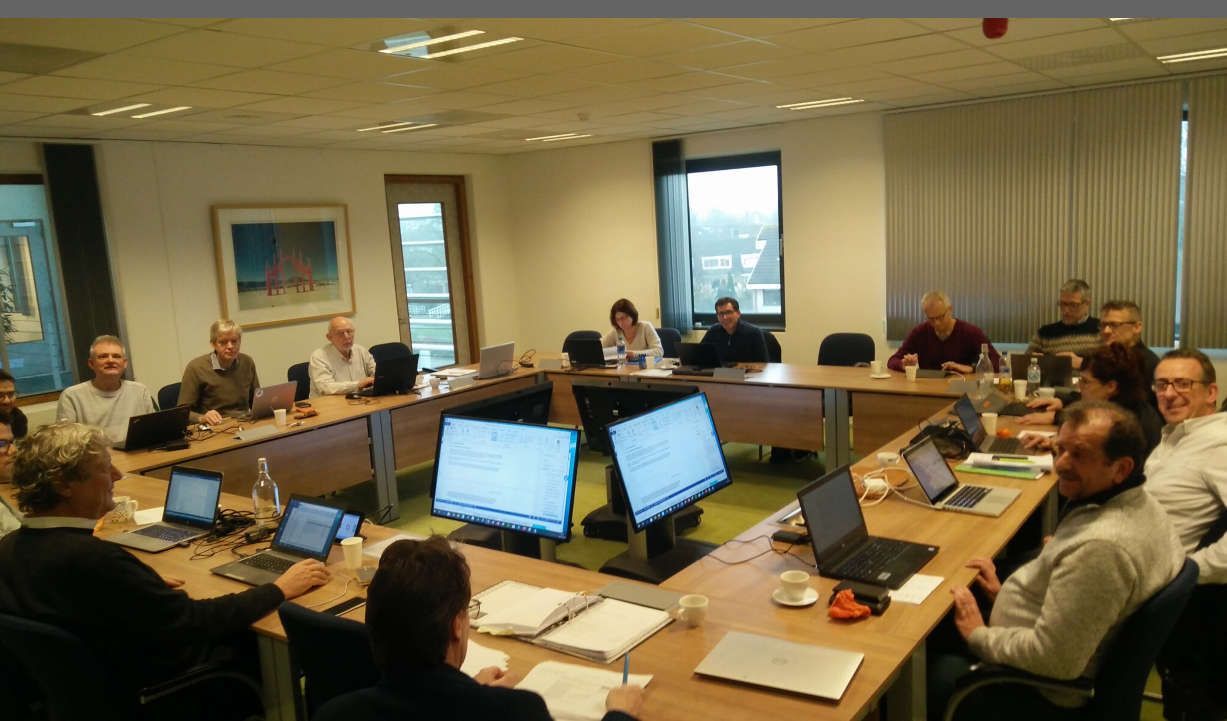
 2020 is here and, once again, Working Group 2 of the CEN Technical Committee 264 got to meet in Delft (The Netherlands) the 21st and 22nd of January to discuss the coming revision of the EN 13725. The final draft of the revision process of the Standard EN 13725 on Dynamic Olfactometry was sent to enquiry and many comments have been received from different countries. A document of over 100 pages was produced with all the comments received. The work of the group was at this stage to answer to each one of the comments.
Secretary and convenor of the group collated a table with every comment and modified and replied to many of the suggestions received. Some comments were left to discussion within the group of 16 experts that got to meet at NEN facilities in Delft.
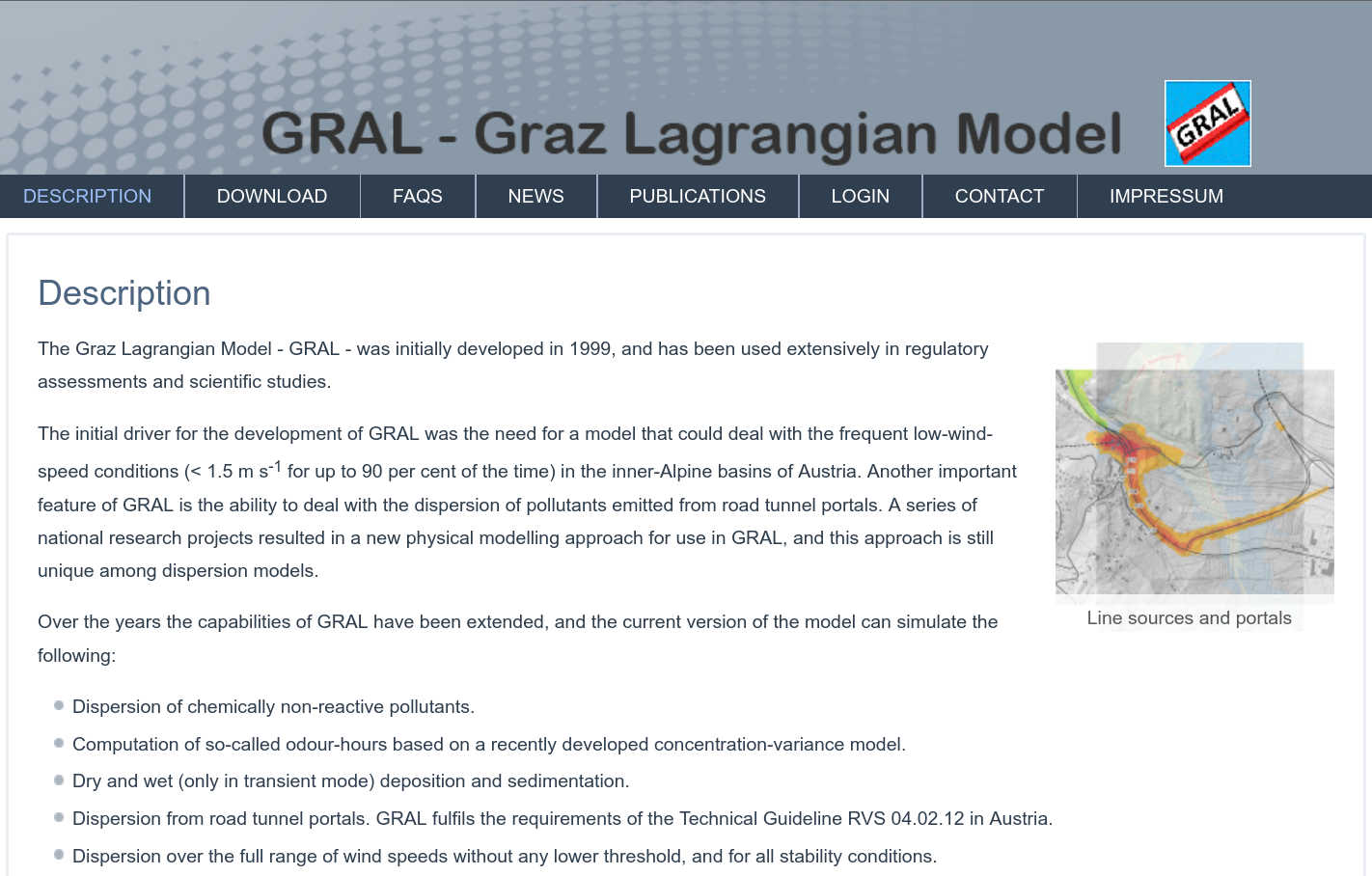 The Graz Lagrangian (GRAL) system is a Lagrangian particle model with a free Graphic User Interface (GUI) available in both Linux and Windows. The last beta was published
 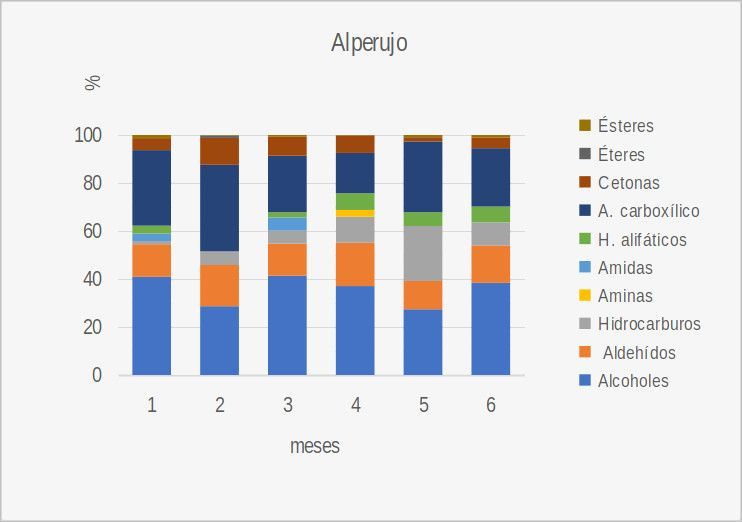 In the industrial production of olive oil, both solid wastes and those produced from their incineration are a serious environmental problem since only 20% w/w of the fruit becomes oil and the rest is waste, mainly orujo and alperujo.