Techniques

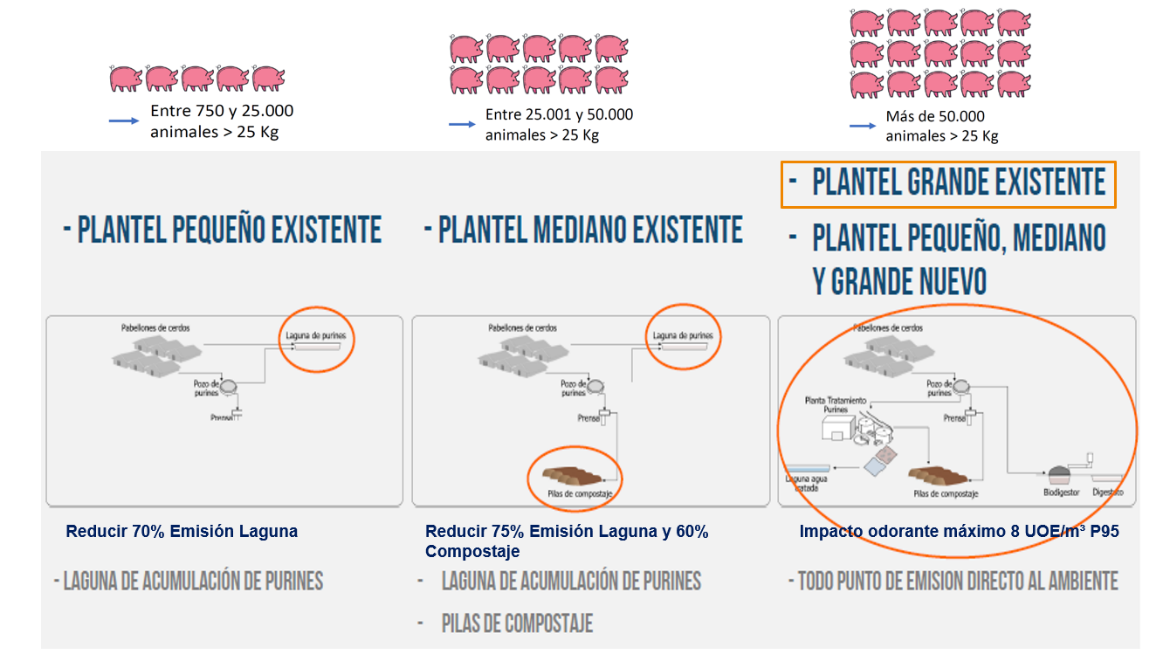
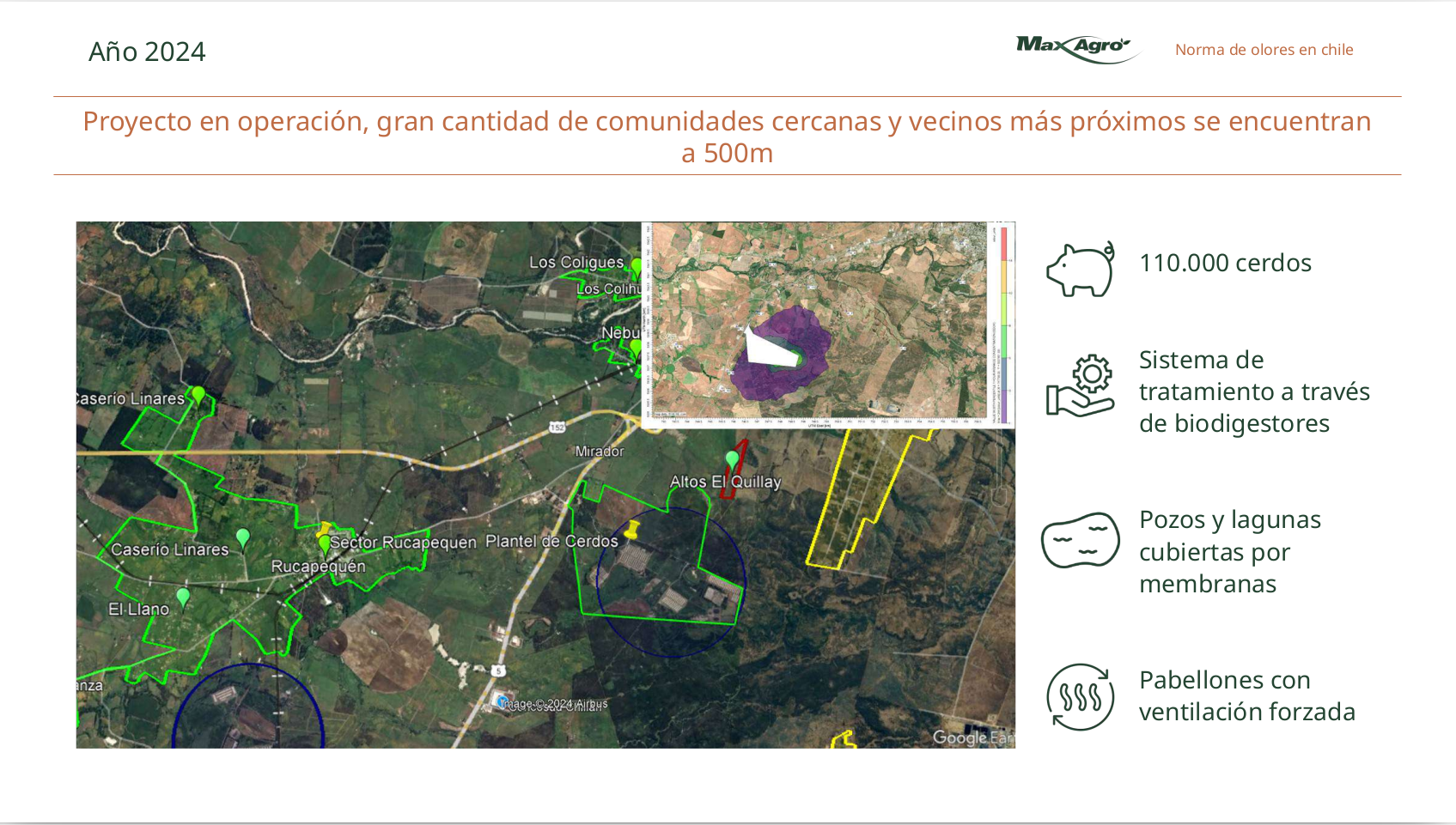
   With the new odour standard for swine facilities in Chile, Maxagro and the industry face the challenge of advancing towards sustainable production and managing community expectations.

   Despite technological investments that have reduced odours by over 75%, the perception of low-level odours can still lead to complaints. Maxagro actively works with the community to improve understanding and social well-being.

E. Ellmen

Maxagro, Chile. eellmen@maxagro.cl
   Traditional methodologies for evaluating odour pollution are effective in most cases but insufficient for complex situations with multiple sources and various odours.

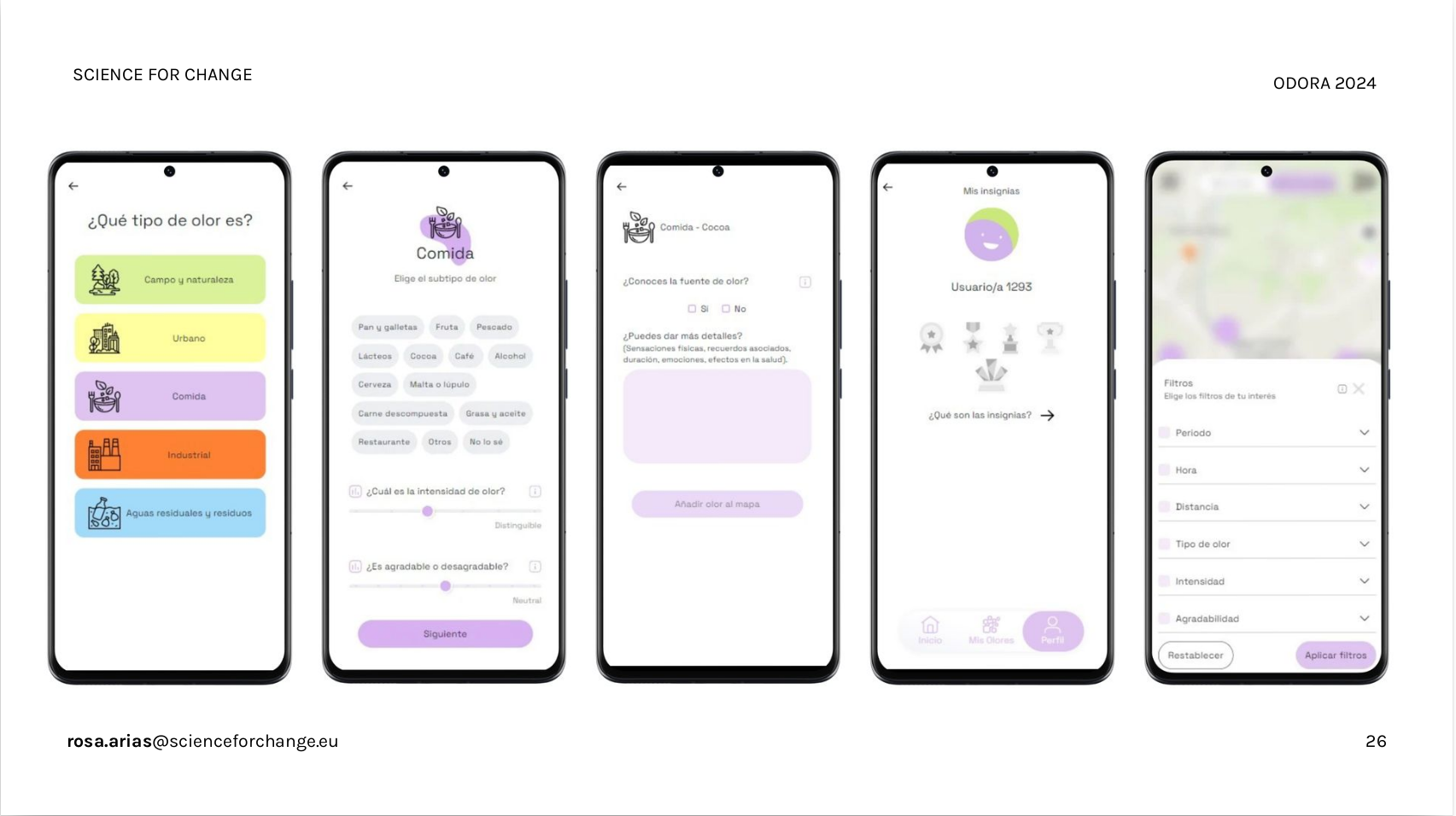
   OdourCollect, developed by Science for Change, offers a comprehensive citizen science-based solution for odour monitoring and management, complying with the UNE 77270:2023 standard. The platform centralizes information and enables real-time analysis, encouraging citizen participation and integrating additional data for improved decision-making.

Rosa Arias. Johana Burbano

  C. de Vilamarí, 50, Planta 7, Eixample, 08015 Barcelona

rosa.arias@scienceforchange.eu

   In Chile, there have been several emblematic cases related to odor episodes that have caused conflict due to their nuisance, affecting people's quality of life. In the 2022, the first pollutant emission standard for pig farms was created, but it does not guarantee the elimination of community discomfort.

   Even when legal limits are met, complaints persist, so companies are advised to analyze the root causes of complaints and use meteorological data to improve their response. This way, they can better manage impacts and maintain more effective communication with the community.

A. Rivera

   Ingeniero Ambiental, Licenciado en Ciencias Ambientales, Universidad de Concepción. Región de Valparaíso, Quillota, Chile.

More Articles …

All the content here under Creative Commons license