There is no translation available.
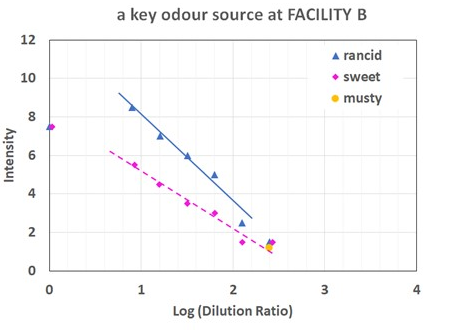 An Odour Attribution Study is undertaken in North America for an Air Quality Management Agency that includes athering data from specific sources and ambient locations to better understand odour impacts within the local communities. Specifically, the following objectives were to be met:
Identify odorant compounds impacting the area of concern via comprehensive quantitative and qualitative analyses; Determine the relative contribution and variability of the odorant compounds emitted from the three key source facilities; Develop a strategy for continuous real-time odorant monitoring to measure emissions impacting the community from the three key source facilities.
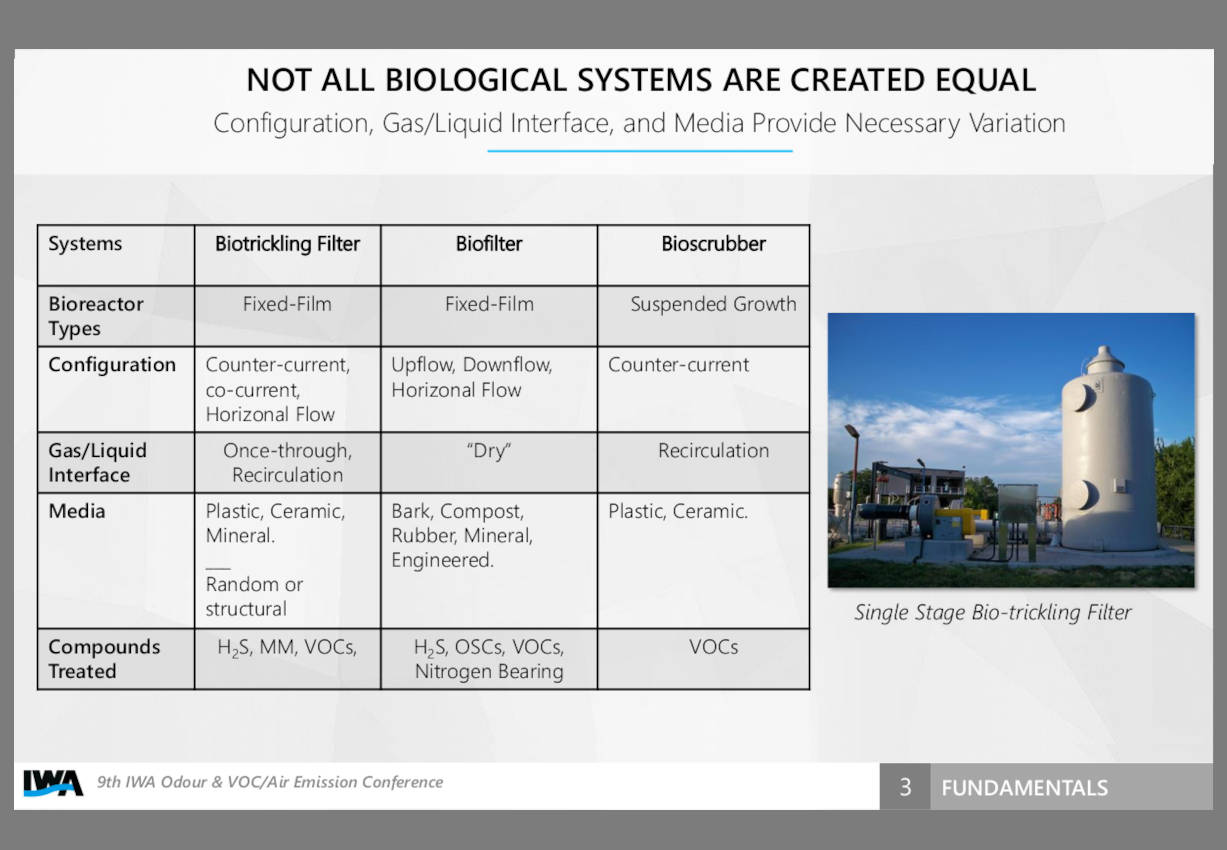 Biofiltration is not a one-size-fits-all technology. In order to properly design the biological odour control process, the foul air source needs to be accurately characterized. The optimal biological odour control configuration will depend strongly on the compounds contributing to odour. Considering the application of biological odour control to wastewater treatment plants specifically, this paper first describes the most common odorous compounds and how each can be biologically degraded.
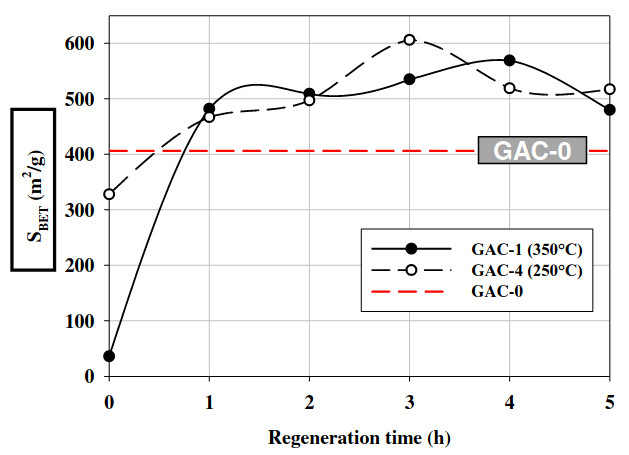 In this work, the physico-chemical, olfactometric and textural characterization of granular activated carbon (GAC) from the odor adsorbent beds of an urban wastewater treatment plant (WWTP), as well as the chromatographic quantification of the retained odoriferous compounds, were carried out.