There is no translation available.
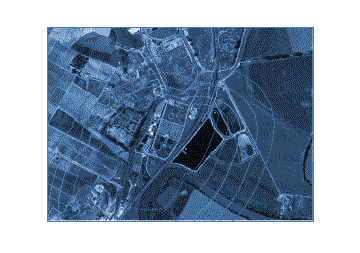
dispersion modelling

   Modelling of the Dispersion of atmospheric pollutants is today a routine method in environmental air quality management. In the particular case of environmental odour emissions, dispersion models have become indispensable given the difficulty of obtaining a reliable value of odour concentration in immision.

The use of dispersion models helps in the prediction of the impacts on air quality from industrial emission at their sources and it is a valuable argument to propose effective control strategies.

It is also important to consider that the cost of a model usually increases with its complexity and necessary computational resources, as follows:

Eulerian model >> Lagrangian model >> Gaussian model

There is a tendency to label the quality of the models according to their complexity. This sometimes causes errors in the choice of dispersion model, since such a choice should be based on the adequacy of the model to the case study. From this point of view, a model based on the gaussian solution could be sufficient to solve a complex problem and vice versa, an eulerian model may not be adequate for a simple study. The key is to align the selection criteria and validate methods and results.
There is no translation available.

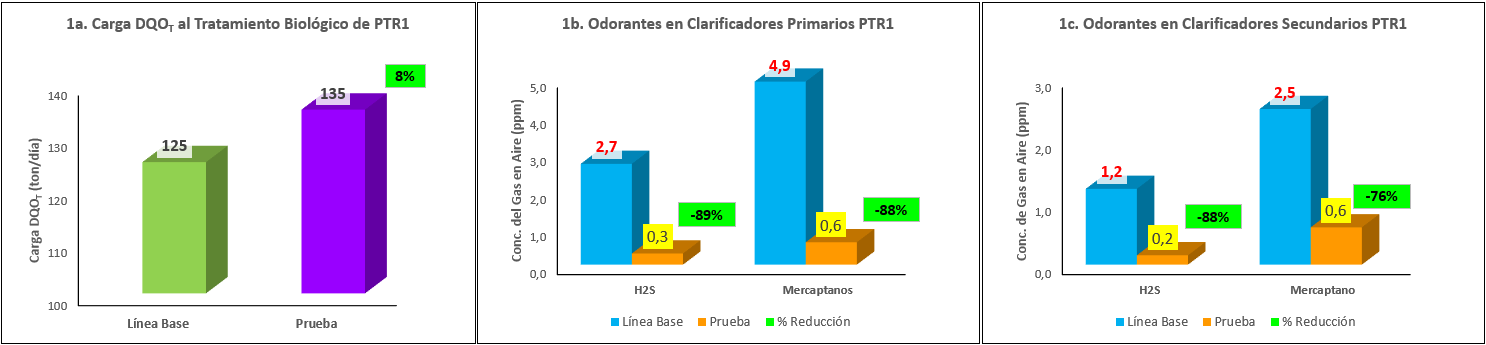
    The pulp industry faces challenges in balancing biological wastewater treatment with effective odor control.

   SciCorp’s micronutrient technology, based on plant extracts, selectively stimulates specific bacteria within biological sludge to significantly reduce emissions of malodorous gases such as hydrogen sulfide and mercaptans. Additionally, this technology enhances the biological treatment performance by increasing load capacity, lowering phosphorus concentration in the treated effluent, and reducing biosolid production, thereby optimizing overall wastewater treatment plant efficiency.

D. Maat1, J. Soza2 & J. Nuñez3

1SciCorp International, Mississauga ON, Canada.
2CMPC Pulp Maderas, Los Ángeles, Chile
3SciCorp International, Los Ángeles, Chile.
There is no translation available.

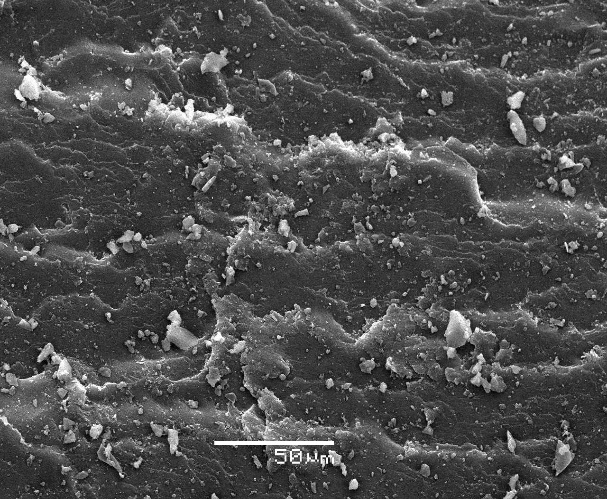
   A hybrid material of activated carbon and MOFs is proposed for the adsorption of trimethylamine (TMA) emitted by the fishing industry, achieving complete removal in the aqueous phase.

   Efforts focus on optimizing its surface area and selectivity for effective application under real conditions, contributing to environmental impact mitigation and improving the quality of life of nearby communities.

P. Méndez, R. Ahumada, V. Novoa & G. Salazar

 University of the Bío-Bío, Avenida Collao 1201, Concepción, Chile.
* pamendez@ubiobio.cl

Więcej artykułów…

All the content here under Creative Commons license