There is no translation available.
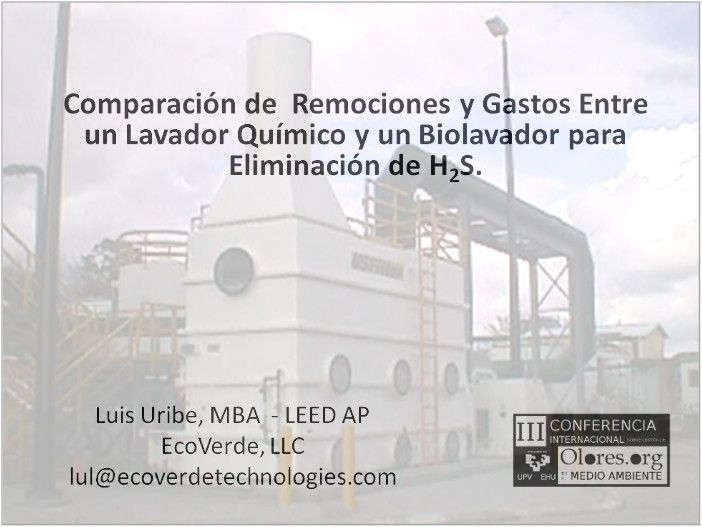 Biological odor control systems have proven to be one of the best alternatives in recent years. Their competitive advantage lies not only in its high removal efficiencies of odorous compounds, but also in their low operating and maintenance costs, compared to a chemical scrubber.
In order to demonstrate these benefits, EcoVerde made a comparison between chemical scrubbers and bioscrubbers. The evaluation was performed based on historical data on the installed chemical scrubbers versus data gathered on equipment provided by EcoVerde.
L. Uribe* and R. Castro
Ecoverde Technologies LLC. 1505 E. Weber Dr. Suite 101 Tempe, AZ 85281 USA
Tel.; 888.330.0772 x 700, Fax: 888.330.0772 fax
*lul@ecoverdetechnologies.com
 A waste facility in the United Kingdom processes food waste via anaerobic digestion. The site is in a mainly rural location with a number of isolated properties at least 500 m from the site boundary, so odour control is mandatory to protect harmful conditions to the environment and avoid odour nuisances.
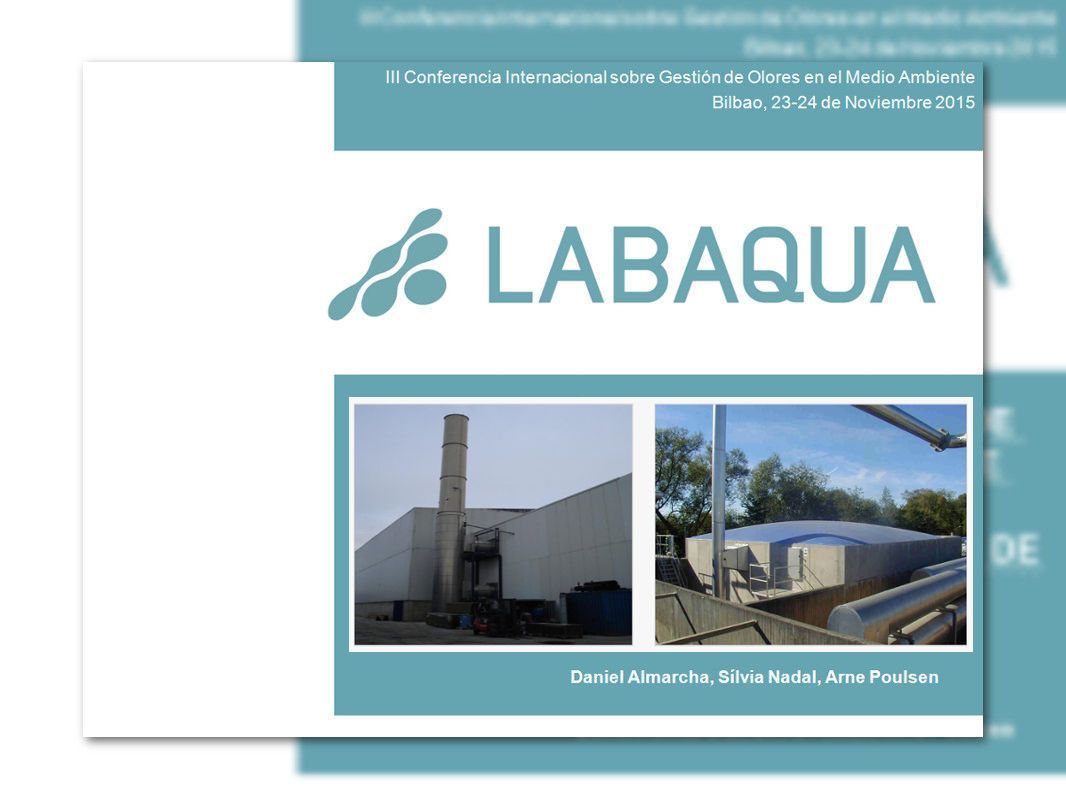 The odor emissions from environmental facilities (composting plants, EDARs, rendering…) are a frequent cause of nuisance in their surroundings which are given ever increasing attention. Therefore, stringent ambient air odor level requirements are being implemented worldwide which the conventional treatment technologies (such as scrubbers, conventional biofilters) are often unable to achieve.