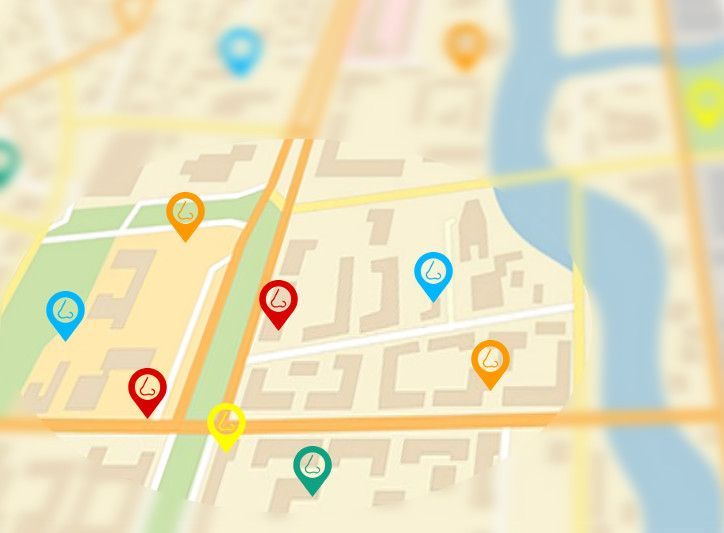
 Traditionally odour dose-response studies have been based on questionnaires, surveys, odour diaries, etc under the scope of some guidelines and standards (e.g VDI 3883). However, this methodology has serious limitations. For example, they lack precision on recording time and location stamp of an incident. That is why a group of experts from Spain have decided to work on a new methodology to map annoyance based on citizen science and other tools. Second meeting of this group that discusses about linking an Odour Impact Critera to an Annoyance Benchmark took place last week. The idea behind is to work together with the Spanish Accreditation Body (UNE) to publish the first standard on this subject.
Odour Impact Criteria (OIC) set in many parts of the world, are based on dose-response psychometric studies made in Germany and the Netherlands many years ago. Nowadays, with the use of smartphones it is possible to instantaneously record time and location of an odour perception. This is a better way to assess the impact and the only way to link odour with annoyance, that is why a group of experts has met to write the first standard on annoyance mapping.
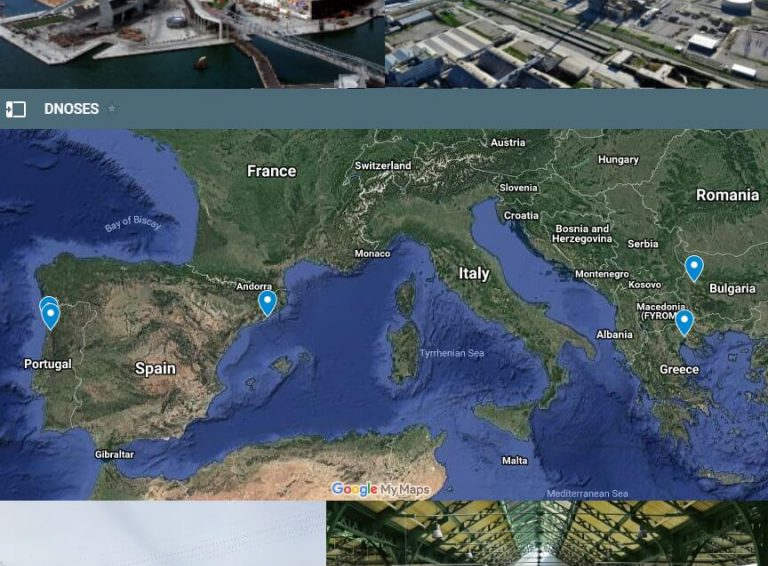 D-NOSES stands for Distributed Network for Odour Sensing, Empowerment and Sustainability. This 3 year-long project is supported by International Associations, experts in citizen science, odour and sustainability experts, local administrations and public bodies. The important part of validation has just commenced with cases studies in Portugal, Spain, Greece and Bulgaria.
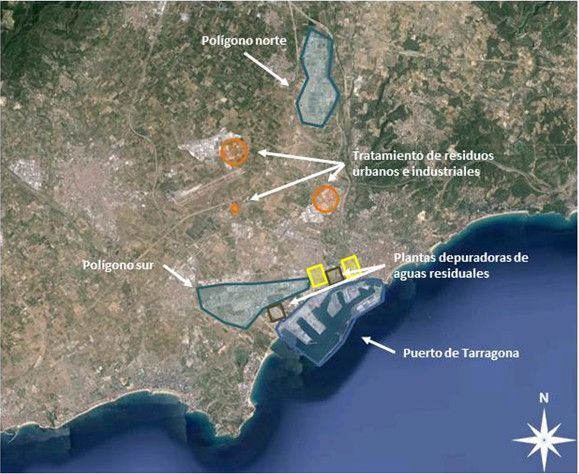 Nasapp is an odour episode management system through citizen participation. It allows to have a summary of situation in real time from any portable device or computer. In this paper we studied the advantages of incorporating the automatic calculation of trajectories models of air in each record made by volunteer citizens.